ISO 11064 vs ISA-101
Control room design and HMI design
The short answer
ISO 11064 covers the control centre around the operator: the design process, the suite of rooms, the room layout, the consoles, the environment and how the result is checked. ISA-101, published as ANSI/ISA-101.01-2015, covers the HMI screens on the consoles: their philosophy, style, structure and life cycle. IEC 63303:2024 is an international standard based on it. They answer different questions, so a control room project normally uses both.
Side by side
| ISO 11064 | ISA-101 | |
|---|---|---|
| What it is | Ergonomic design of control centres | Human machine interfaces for process automation systems |
| Issued by | ISO | ISA, approved as an American National Standard. IEC 63303 is based on it |
| Structure | Seven parts, plus a technical report, ISO/TR 11064-10 | One standard, ISA-101.01 |
| Subject | Rooms, layout, consoles, displays and controls in principle, environment and evaluation | Process graphics, navigation, display hierarchy, colour and the HMI life cycle |
| Main method | Human-centred design from the operators' tasks, with verification and validation | An HMI philosophy, a style guide and a managed life cycle for the screens |
| Who uses it | Control room designers, architects and human factors specialists | Control system engineers, HMI designers and operations |
| Industries | Process plants, power, transport and emergency services | Continuous, batch and discrete process automation |
| How they relate | Does not set a graphics style for screens | Does not cover the room or the console |
A summary in our own words. Both are voluntary until a contract, company specification or regulator calls them up.
What each one covers
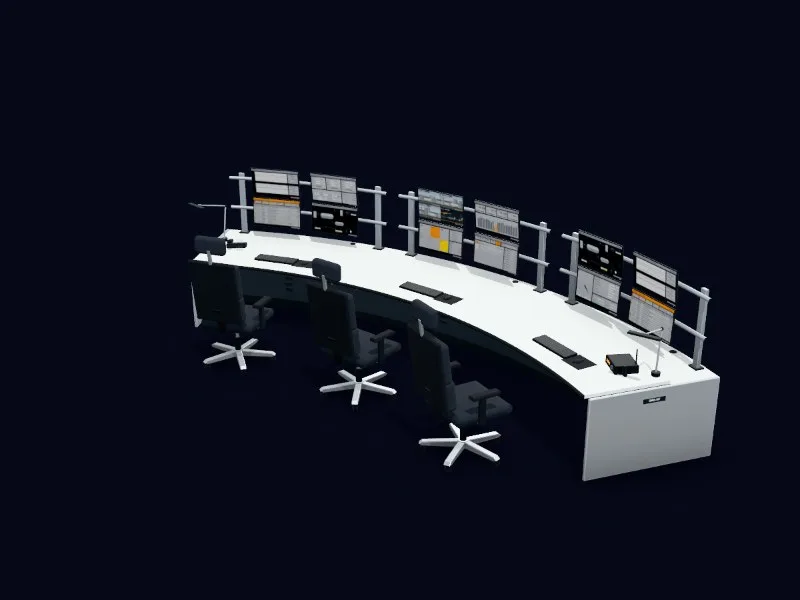
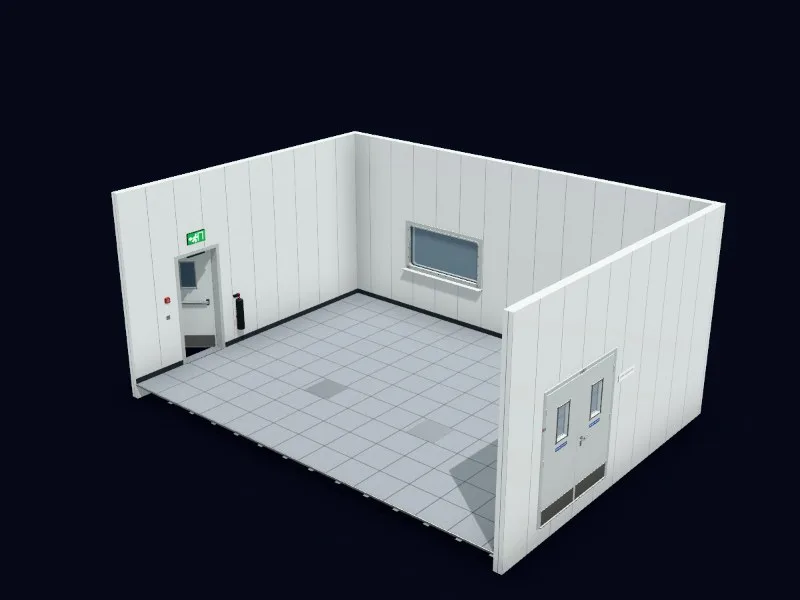
ISO 11064 starts from the operators' tasks and works outward: which rooms are needed and how they connect, where consoles and shared displays go, how big a console is, what the lighting, noise and temperature should be, and how the design is verified and validated.
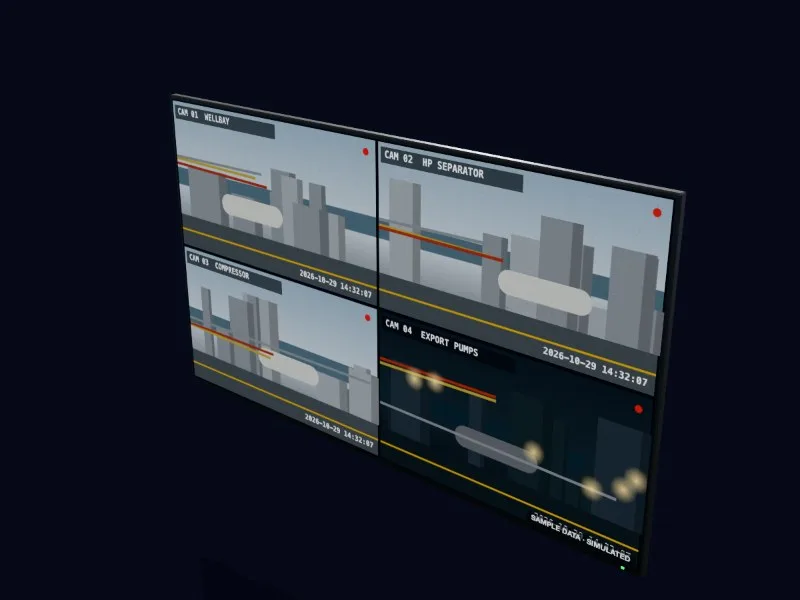
ISA-101 starts at the screen. It asks the project to write an HMI philosophy and a style guide, to organise displays in a hierarchy from overview to detail, and to manage the graphics through design, use and change. Its aim is displays where abnormal conditions are easy to see, and style guides written under it usually keep strong colour for them.
How they are used together
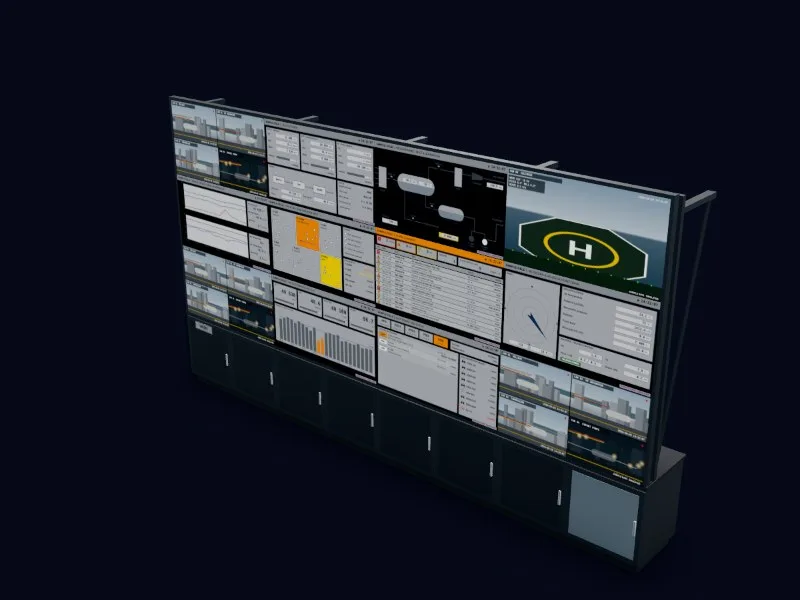
A new control room or a control system upgrade usually needs both. The ISO 11064 work sets the console layout and the shared display wall. The ISA-101 work sets what appears on those screens and how operators move between them.
Alarm management is a third subject, covered by ISA-18.2 and IEC 62682. A complete operator interface project often names all three.
Common confusions
ISO 11064 Part 5 does cover displays and controls, but at the level of principles. It does not set a graphics style.
ISA-101 leaves the colour scheme to the project. Grey-background, so-called high-performance graphics are a common way to meet its aims, but the project's own style guide sets the details.
Each becomes binding only when a contract, a company specification or a regulator calls it up.
How it shows up on a project
The control room design basis cites ISO 11064 and records the task analysis, the room layout, the console dimensions and the verification and validation plan. The control system specification cites ISA-101 and calls for an HMI philosophy, a style guide and a display hierarchy before graphics are built.
Questions
Is ISA-101 the same as ISO 11064?
No. ISO 11064 covers the room and the workplace: the layout, the consoles, the environment and the design process. ISA-101 covers the HMI itself: how process graphics are structured, coloured and navigated. A control room project normally uses both.
Does ISO 11064 cover HMI screen design?
Only in principle. Part 5 covers how information, alarms and controls are presented, but it does not set a graphics style. Projects use ISA-101 for that.
Which standard covers alarm management?
ISA-18.2 and IEC 62682. They work alongside ISA-101 for the screens and ISO 11064 for the room.
What is the full name of ISA-101?
ANSI/ISA-101.01-2015, Human Machine Interfaces for Process Automation Systems. It covers the philosophy, design, implementation, operation and maintenance of HMIs.
This page explains two standards in plain words. It is not a substitute for the standards themselves, and project specifications often add to both. Deck Twin uses these standards as reference values for visualisation. Check the current edition of each standard before using any value for design, procurement or fabrication.