API 520 vs API 521
Sizing and installing relief devices, and the relief and flare system around them
The short answer
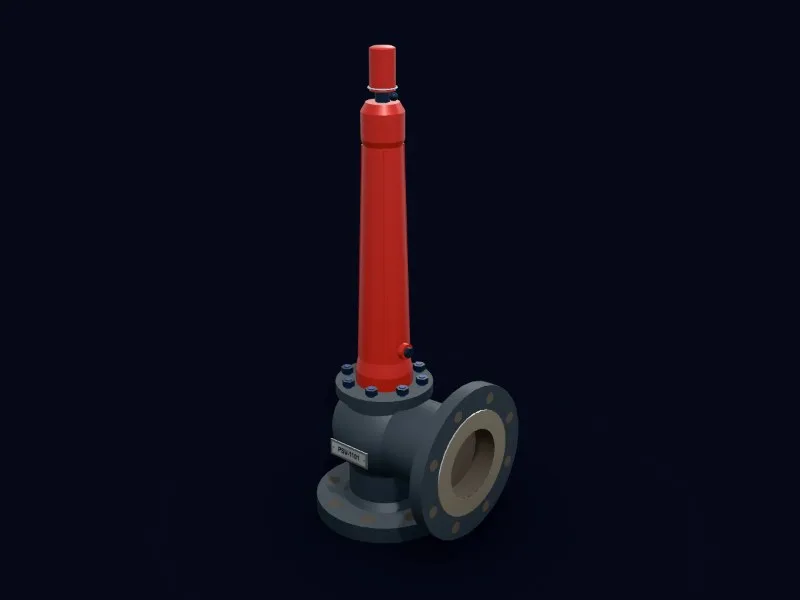
API 521 deals with the system: what can overpressure each item, how much must be relieved or depressured, and the headers, knockout drums, flares and vents that take it away. API 520 deals with the device: how big each relief device must be and how it is installed, with Part I on sizing and selection and Part II on installation. On most projects they are used in sequence: API 521 sets the relief load, API 520 sizes the device for it, and API 521 again checks the disposal system.
Side by side
| API 520 | API 521 | |
|---|---|---|
| What it is | Sizing, selection and installation of pressure-relieving devices | Pressure-relieving and depressuring systems |
| Issued by | API | API |
| Structure | Part I: sizing and selection. Part II: installation | One standard |
| What it settles | The device size and type, and how it is piped up | The causes of overpressure, the amount to relieve, and where it goes |
| Devices and systems | Relief valves of each type, and rupture disc devices | Blowdown valves, flare headers, knockout drums, flares and vents |
| Key outputs | Required orifice area, device type and inlet and outlet piping | Governing scenario, relief and depressuring rates, header sizes, flare height or boom length |
| On oil and gas facilities | Every PSV and rupture disc on vessels, exchangers and piping | The flare and relief study, the blowdown philosophy and the flare system design |
| How they relate | Takes its relief load from the API 521 study | Takes the device data from API 520 to check back pressure in the headers |
A summary in our own words. Relief valve dimensions and orifice letters are in API 526, and the vessel code sets the overpressure protection required.
How they are used in sequence
The relief study starts with API 521. Each item is checked for credible causes of overpressure, such as a blocked outlet, external fire, control valve failure, gas blowby or exchanger tube rupture. The case with the highest load sets the relief rate.
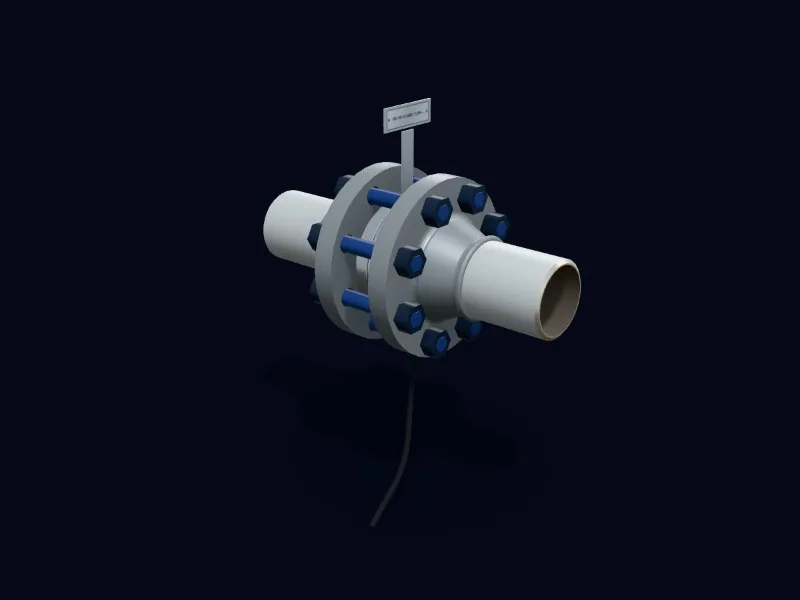
API 520 Part I then sizes the device for that rate and the fluid, and helps choose its type. API 526 gives the standard dimensions of flanged steel relief valves, so the size can be bought. API 520 Part II sets out how the device is installed, including its inlet and outlet piping.
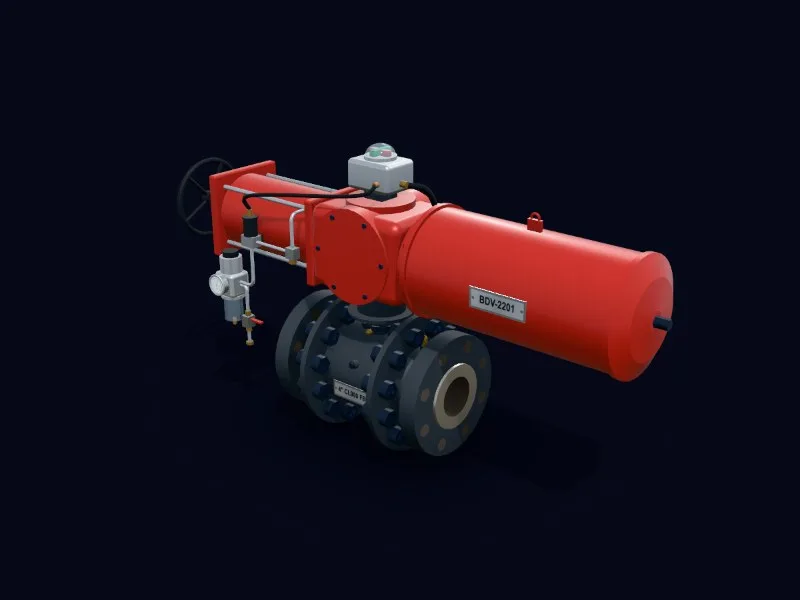
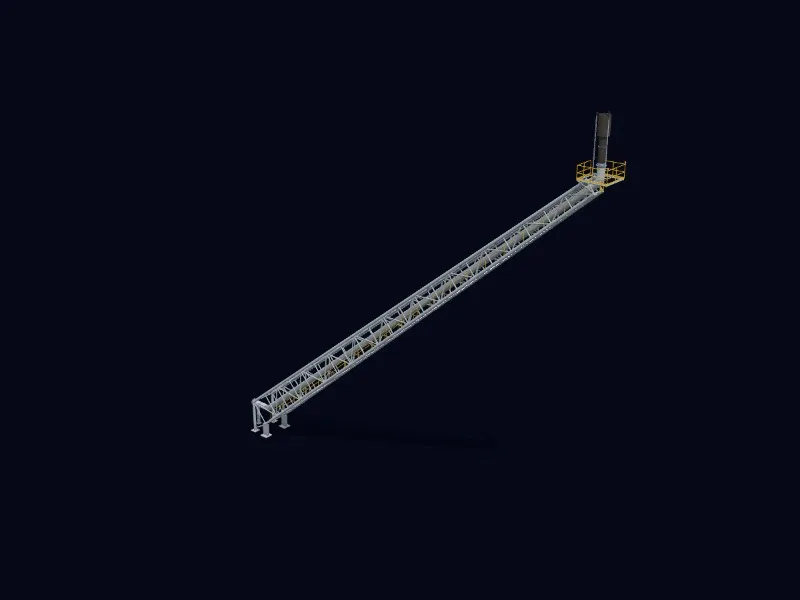
Finally, API 521 is used again for the disposal side: the flare header and knockout drum are sized for the combined loads, and the back pressure on each valve is checked against what its type allows.
Common confusions
API 520 does not decide the relief load. It sizes a device for a load that the API 521 study has already found.
Valve sizing and dimensions are outside API 521. They come from API 520 and API 526.
Neither replaces the vessel code. ASME Section VIII requires overpressure protection, and recent editions place the detailed relief device rules in Section XIII.
How it shows up on a datasheet
A PSV datasheet gives the set pressure, the governing case and its relieving rate from the API 521 study, the fluid properties, the back pressure, the calculated orifice area to API 520 and the selected orifice letter and size to API 526. The flare study lists every source, the loads for each scenario and the resulting header sizes.
Questions
Is API 520 the same as API 521?
No. API 520 covers sizing, selection and installation of relief devices. API 521 covers the causes of overpressure, the relief and depressuring loads, and the design of the flare and vent system.
Which API standard is used to size a pressure safety valve?
API 520 Part I. The relief load it sizes for comes from the overpressure study under API 521, and the valve dimensions and orifice letters come from API 526.
Which standard covers flare system design?
API 521 covers the relief and flare system: headers, knockout drums, flares and vents. Flare tips and burners are covered in more detail by API 537.
Which part of API 520 covers installation?
Part II. It covers how relief devices are installed, including their inlet and outlet piping, so that they work as sized.
This page explains two standards in plain words. It is not a substitute for the standards themselves, and project specifications often add to both. Deck Twin uses these standards as reference values for visualisation. Check the current edition of each standard before using any value for design, procurement or fabrication.