API 674 vs API 675
Reciprocating power pumps and controlled-volume metering pumps
The short answer
Both cover reciprocating positive displacement pumps, for different jobs. API 674 covers power pumps and direct-acting pumps that deliver high pressure at modest flow. API 675 covers controlled-volume metering pumps, whose small flow is set precisely by adjusting the effective stroke length. High-pressure transfer and injection duties use API 674 pumps, and chemical dosing uses API 675 pumps.
Side by side
| API 674 | API 675 | |
|---|---|---|
| What it is | Positive displacement pumps: reciprocating | Positive displacement pumps: controlled volume (metering) |
| Issued by | API | API |
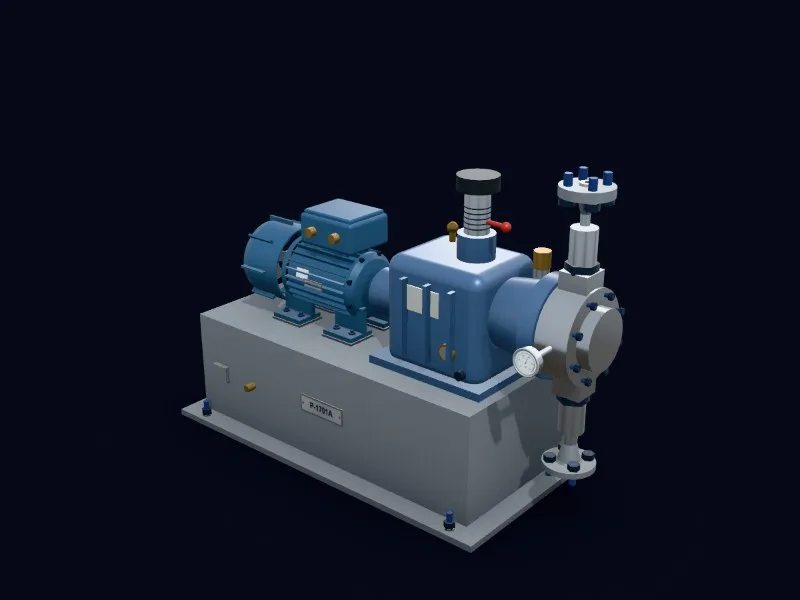
| Kinds of pump | Crank-driven power pumps and direct-acting pumps, with plungers or pistons | Metering pumps with packed plunger or hydraulically actuated diaphragm liquid ends |
| How flow is set | Fixed volume per revolution, changed by speed or a bypass | Effective stroke length, adjusted to set the flow precisely |
| Accuracy | No metering accuracy requirement | Requirements for steady-state accuracy, repeatability and linearity |
| Typical flow and pressure | Modest flow at high pressure | Small, steady flows |
| Typical oil and gas duties | Glycol circulation, methanol and high-pressure water injection, well testing, cuttings re-injection | Corrosion and scale inhibitor, demulsifier, antifoam, biocide and oxygen scavenger dosing |
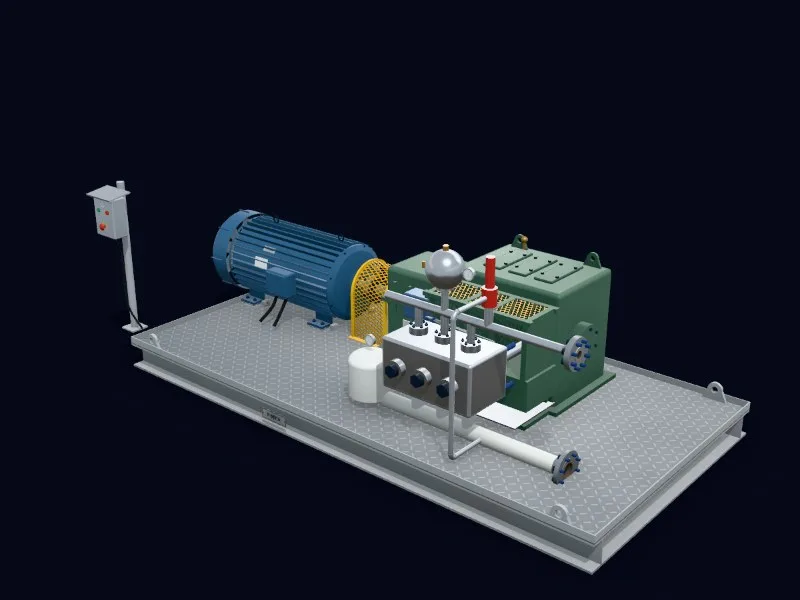
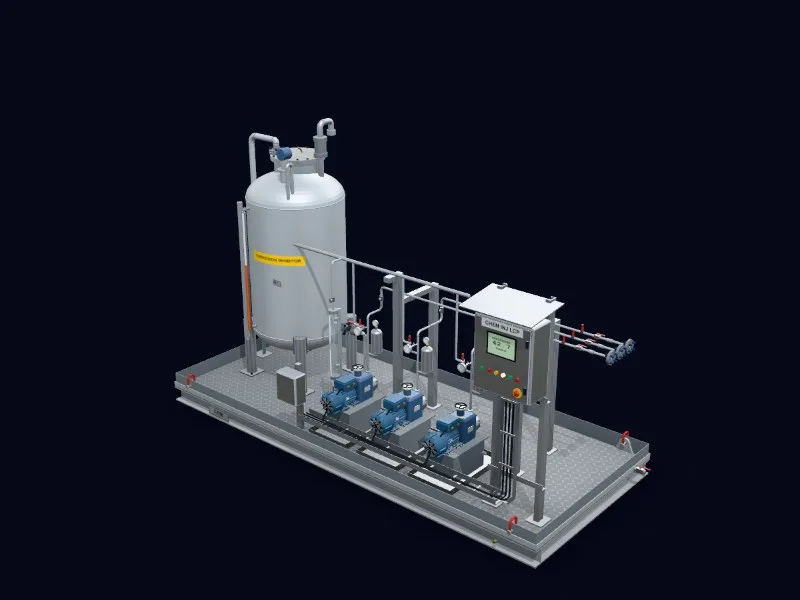
| Usual setting | A skid with suction stabiliser, discharge damper and relief valve | A chemical injection skid with tanks, calibration pots, dampers and relief valves |
| How they relate | Excludes controlled-volume pumps, which go to API 675 | Excludes rotary pumps, which go to API 676 |
A summary in our own words. Accuracy figures and test rules must be taken from the current edition and the pump datasheet.
When each one applies
Both on one facility
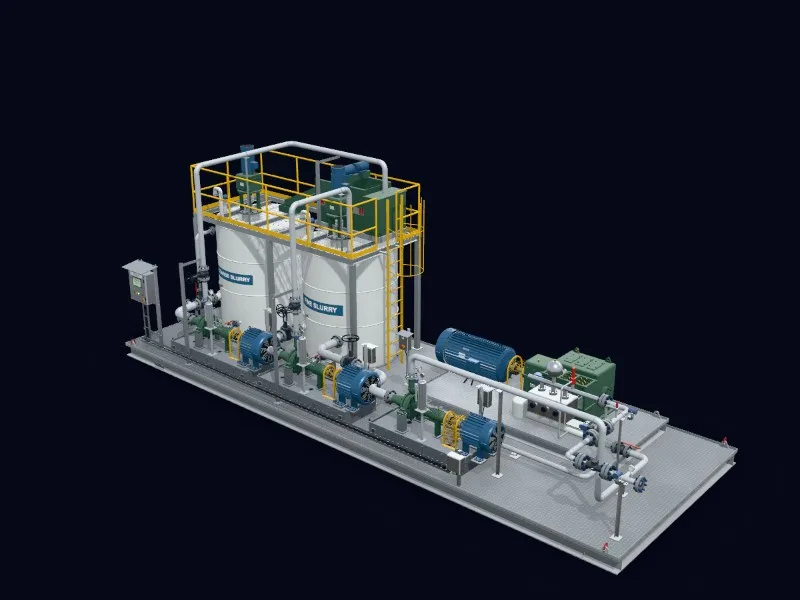
A production platform usually has both. The glycol circulation or methanol injection pumps may be API 674 plunger pumps. The corrosion inhibitor, scale inhibitor and demulsifier pumps on the chemical injection skid are API 675 metering pumps.
Both need a relief valve on the discharge, because a positive displacement pump keeps pushing against a closed valve until something fails. Both also need care with the suction piping, because the liquid must keep up with the plunger.
Common confusions
API 675 covers packed plunger and hydraulically actuated diaphragm liquid ends. Diaphragm pumps driven directly by a mechanical linkage are excluded, and air-operated double diaphragm pumps are a different machine again.
Screw, gear and progressive cavity pumps belong to neither. They are rotary positive displacement pumps under API 676.
Drilling mud pumps resemble API 674 machines, but their piston pump components are covered by API 7K.
How it shows up on a datasheet
An API 674 datasheet gives the number of plungers, the stroke, the speed, the rated flow and discharge pressure, and the pulsation dampers. An API 675 datasheet adds the turndown range, the stroke adjustment, manual or automatic, the liquid end type and the accuracy the purchaser expects.
Questions
What is the difference between API 674 and API 675?
API 674 pumps move a fixed volume per revolution at high pressure, for transfer and injection. API 675 pumps are metering pumps whose effective stroke length is adjusted to set a small flow precisely, for chemical dosing.
Does API 675 cover diaphragm pumps?
Yes, if the diaphragm is hydraulically actuated. It also covers packed plunger liquid ends. Diaphragm pumps with direct mechanical actuation are excluded, and air-operated double diaphragm pumps are not API 675 pumps.
Which API standard covers rotary pumps?
API 676 covers rotary positive displacement pumps such as screw, gear and progressive cavity pumps. Centrifugal pumps follow API 610.
This page explains two standards in plain words. It is not a substitute for the standards themselves, and project specifications often add to both. Deck Twin uses these standards as reference values for visualisation. Check the current edition of each standard before using any value for design, procurement or fabrication.