ASME B16.5 vs B16.47
Pipe flanges up to NPS 24, and large-diameter flanges from NPS 26 to 60
The short answer
The two standards split flanges by size. ASME B16.5 covers NPS 1/2 to NPS 24, and ASME B16.47 covers NPS 26 to NPS 60. B16.47 has two series, A and B, which for most sizes and classes do not bolt together. It covers only weld neck and blind flanges, and it stops at Class 900.
Side by side
| ASME B16.5 | ASME B16.47 | |
|---|---|---|
| What it is | Pipe flanges and flanged fittings, NPS 1/2 to 24 | Large diameter steel flanges, NPS 26 to 60 |
| Issued by | ASME | ASME |
| Classes | 150, 300, 400, 600, 900, 1500 and 2500 | 150, 300, 400, 600 and 900 in both series, with Class 900 only up to NPS 48. Series B adds Class 75 |
| Flange types | Weld neck, slip-on, socket weld, threaded, lap joint and blind, plus flanged fittings | Weld neck and blind only |
| Dimensions per size and class | One set, so any two flanges of the same size and class mate | Two sets, Series A and Series B, which differ for most sizes and classes |
| Where the dimensions came from | Its own long-standing tables | Series A from MSS SP-44, Series B from API 605 |
| On oil and gas facilities | Nearly every nozzle, valve end, spool and instrument connection | Large export and trunk lines, seawater and firewater mains, flare headers and large vessel nozzles |
| How they relate | Stops at NPS 24 | Picks up at NPS 26, with the same rating approach |
Headline scope only. Check the current edition of each for ratings, dimensions and any change in the classes covered.
When each one applies
Both on one line
A large header often uses both. The header itself, say NPS 36, has B16.47 flanges, while its branches, drains and instrument connections are NPS 24 or smaller and use B16.5. Gaskets for both follow ASME B16.20 and B16.21, and bolt-up follows ASME PCC-1.
Common confusions
Series B is a separate dimensional set, not a lighter Series A that happens to fit. For most sizes and classes the two have different outside diameters and bolt circles. In Classes 400, 600 and 900 they share dimensions from NPS 38 upward. A mismatch can go unnoticed until the parts meet on site.
Slip-on and threaded flanges are missing from B16.47. If a project needs other types above NPS 24, they are designed and specified separately.
Older drawings may name MSS SP-44 or API 605. These are the sources of Series A and Series B, and a replacement flange is ordered in the matching series.
How the choice shows up on a datasheet
A B16.5 flange is called up by size, class, facing and type, for example 8 in Class 600 RF WN. A B16.47 flange adds the series, for example 36 in Class 300 RF WN, ASME B16.47 Series A. Large valves and equipment nozzles must be ordered in the same series as the line.
Questions
What is the difference between ASME B16.5 and B16.47?
They cover different sizes. B16.5 covers NPS 1/2 to 24, and B16.47 covers NPS 26 to 60. B16.47 has two series, A and B, covers only weld neck and blind flanges, and has no Class 1500 or 2500.
Do B16.47 Series A and Series B flanges bolt together?
Not for most sizes and classes, because their outside diameters and bolt circles differ. In Classes 400, 600 and 900 the two series share dimensions from NPS 38 upward. State the series on every datasheet, line list and purchase order.
Which B16.47 series should I specify?
Series A flanges are heavier and thicker, with larger bolts on a larger bolt circle. Series B flanges are lighter and more compact. Match the series to the valves, equipment and existing piping the flange must mate with.
Is there a Class 1500 flange above NPS 24?
Not in B16.47, which stops at Class 900, and its Class 900 flanges stop at NPS 48. Higher pressures at these sizes need specially designed flanges.
This page explains two standards in plain words. It is not a substitute for the standards themselves, and project specifications often add to both. Deck Twin uses these standards as reference values for visualisation. Check the current edition of each standard before using any value for design, procurement or fabrication.
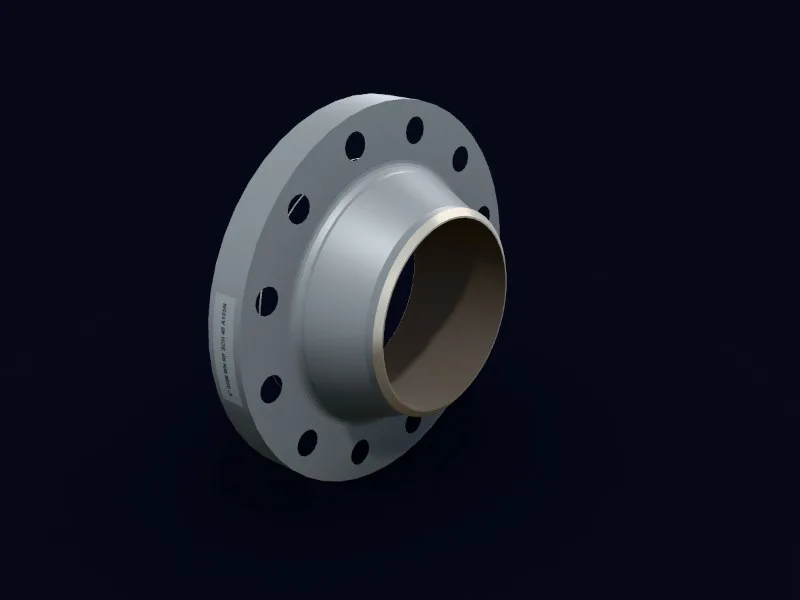
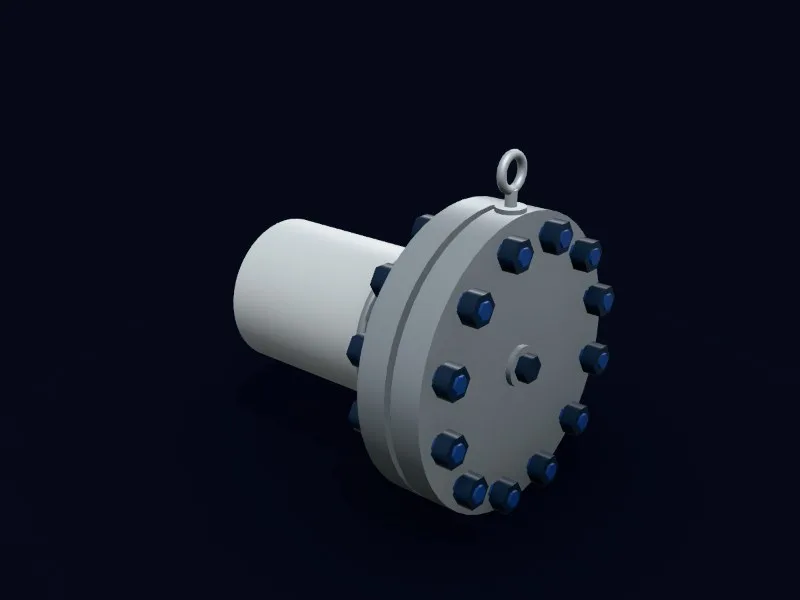
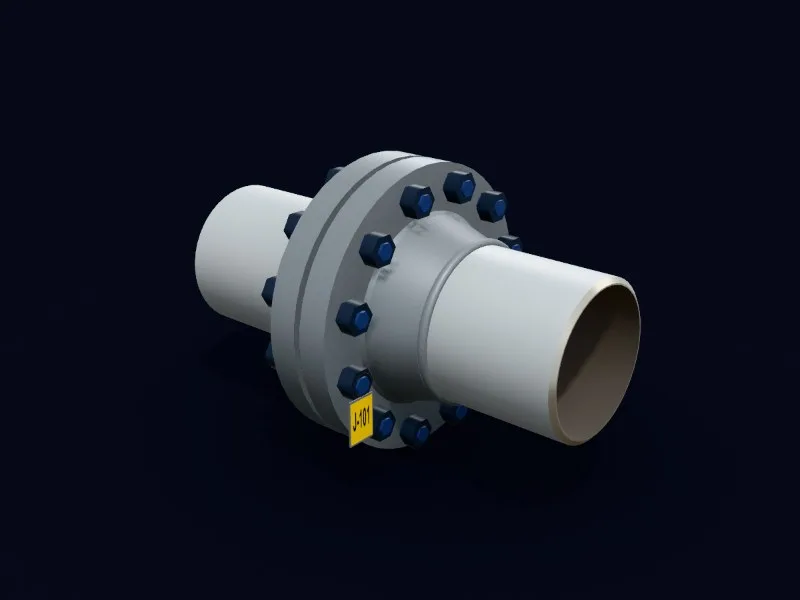
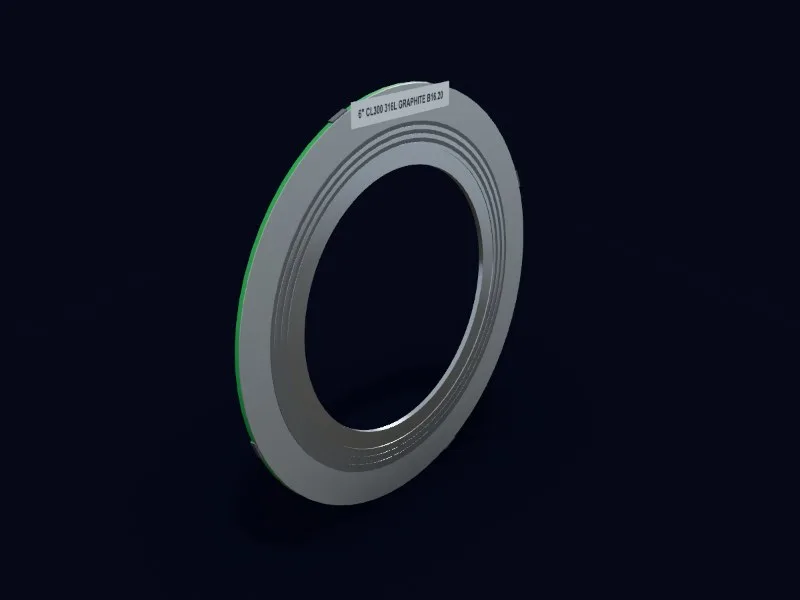
Components that follow ASME B16.5 or ASME B16.47
More on ASME B16.5 and ASME B16.47.