ASME B16.20
Metallic gaskets for pipe flanges
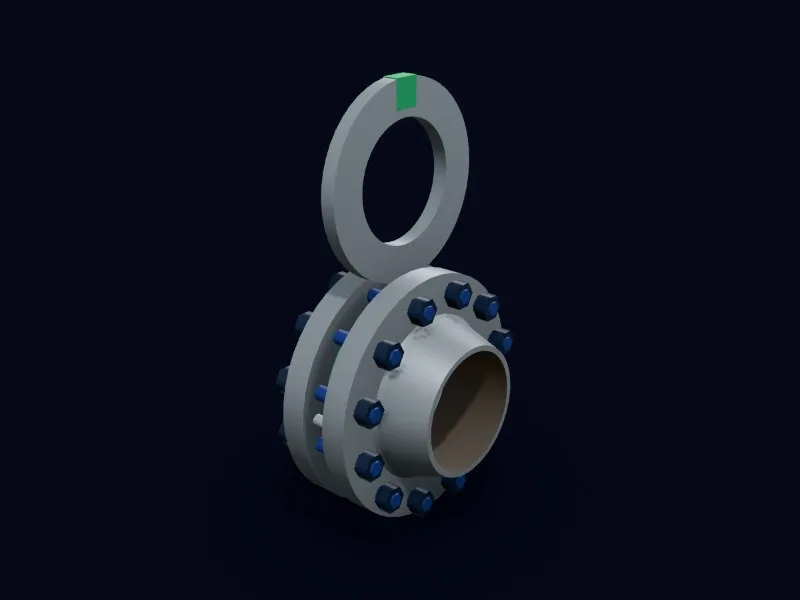
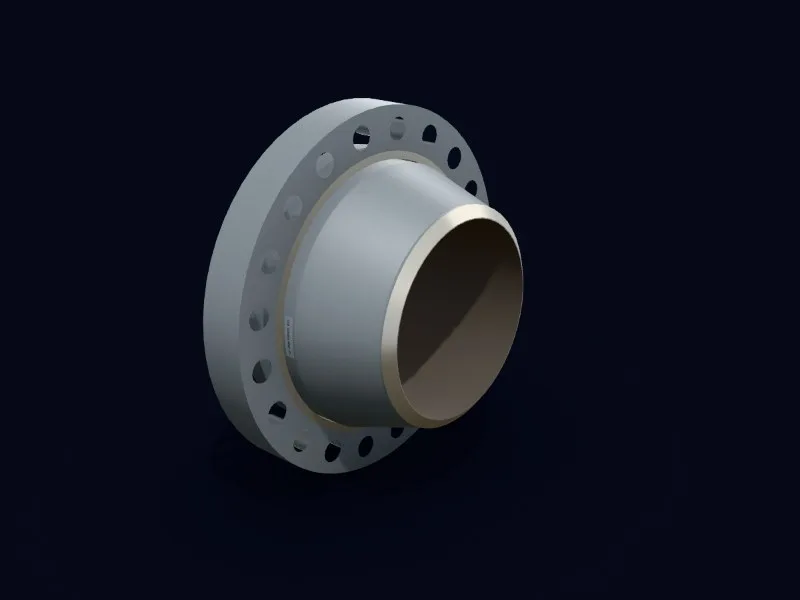
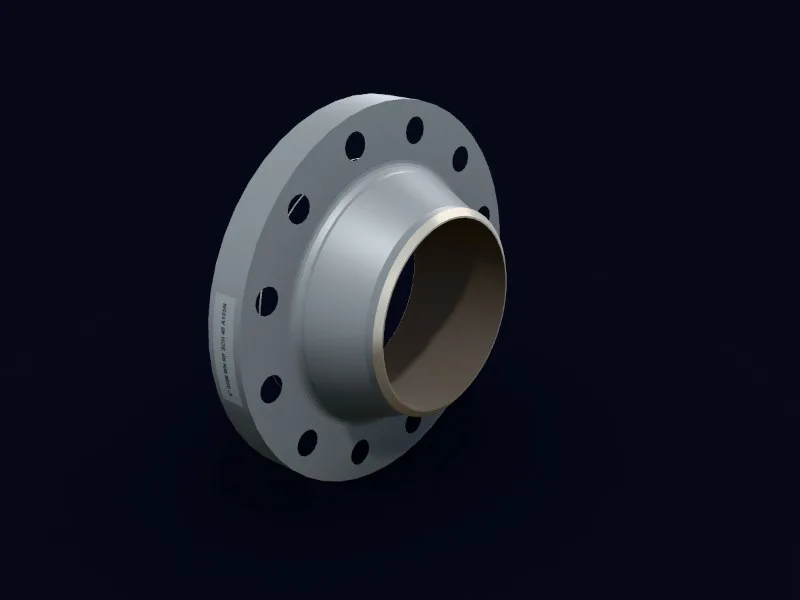
ASME B16.20 metallic flange gaskets: spiral-wound, ring-type joint, grooved and jacketed, and the 3D gasket and flanged joint components.
Scope
ASME B16.20 covers metallic and semi-metallic gaskets for flanges to ASME B16.5, ASME B16.47 and API 6A: ring-type joints, spiral-wound gaskets, grooved metal gaskets with covering layers, and metal-jacketed gaskets. It sets dimensions, materials, marking and colour coding.
Spiral-wound gaskets on raised-face flanges are the usual choice for hydrocarbon process piping on oil and gas plants. Ring-type joints are used on high-pressure piping and on wellhead and Christmas tree flanges.
Non-metallic sheet gaskets are covered by ASME B16.21. Bolt load and assembly are covered by ASME PCC-1.
Key concepts
- Spiral-wound gaskets
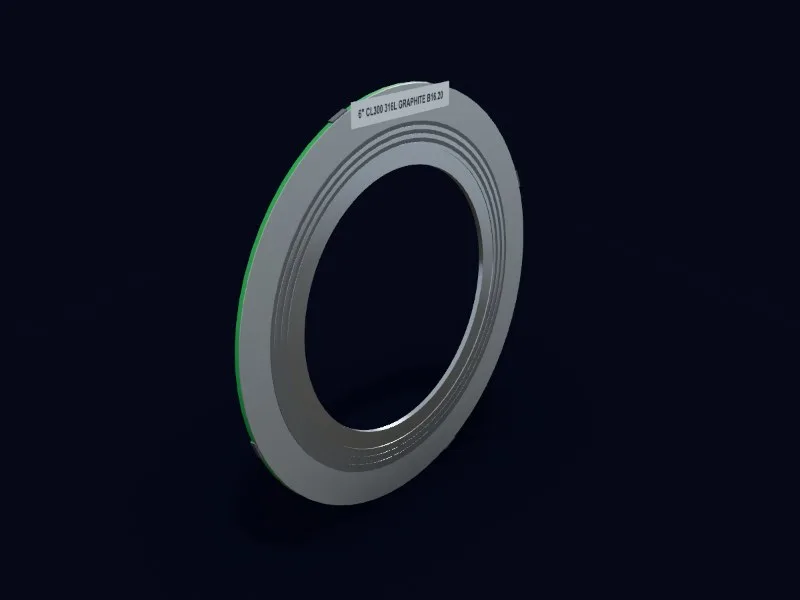
- A V-shaped metal strip is wound with a soft filler such as flexible graphite or PTFE. An outer centring ring locates the gasket inside the bolts, and an inner ring protects the winding and limits compression.
- Inner rings
- Inner rings are required for PTFE-filled gaskets and for many size and class combinations. Many operators fit them to every spiral-wound gasket in hydrocarbon service.
- Colour coding
- The centring ring is painted to show the winding metal, and a stripe on its edge shows the filler. This lets the material be checked in the field without removing the gasket.
- Ring-type joints
- RTJ gaskets are solid metal rings, oval or octagonal in section (R type), seated in grooves machined into the flange faces. Pressure-energised RX and BX rings are used on API 6A equipment.
- Grooved and jacketed gaskets
- Grooved metal gaskets with graphite facings (often called kammprofile) are used on heat exchanger girth flanges. Jacketed gaskets are used on some exchanger and vessel joints.
Questions
Which gaskets does ASME B16.20 cover?
It covers metallic and semi-metallic gaskets for pipe flanges: spiral-wound gaskets, ring-type joints, grooved metal gaskets with soft facings, and metal-jacketed gaskets. The gasket models spiral-wound gaskets and ring-type joints.
What is the difference between ASME B16.20 and B16.21?
B16.20 covers metallic gaskets, which contain metal that carries the bolt load. B16.21 covers non-metallic flat gaskets, cut from sheet materials such as compressed fibre, PTFE or rubber. Hydrocarbon process lines mostly use B16.20 gaskets. Low-pressure water and utility lines often use B16.21 gaskets.
In Deck Twin
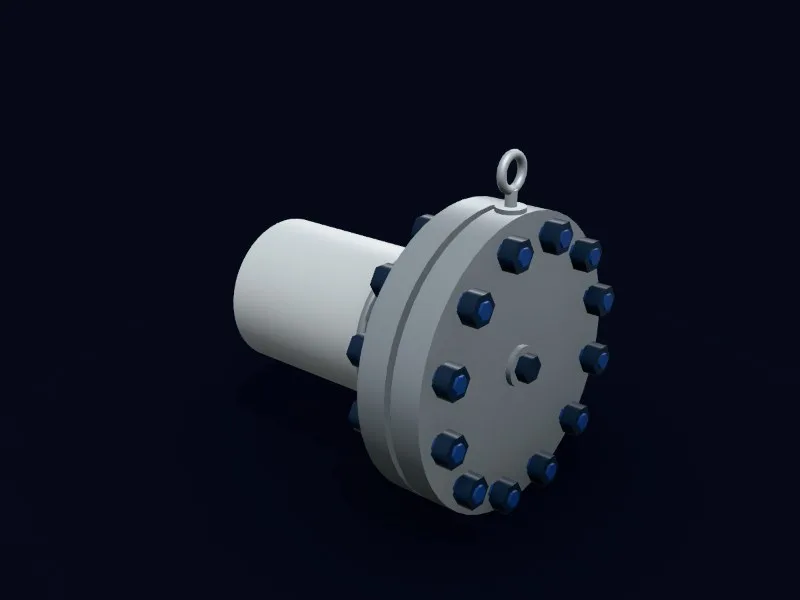
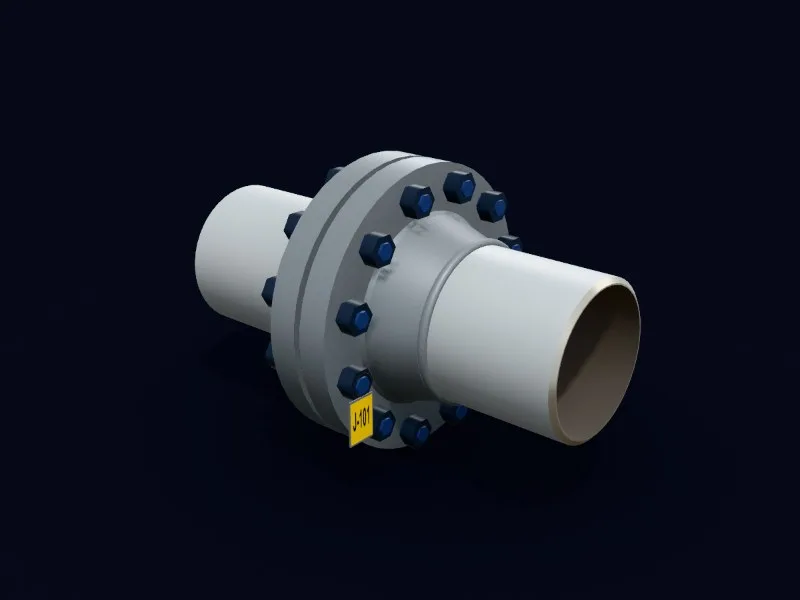
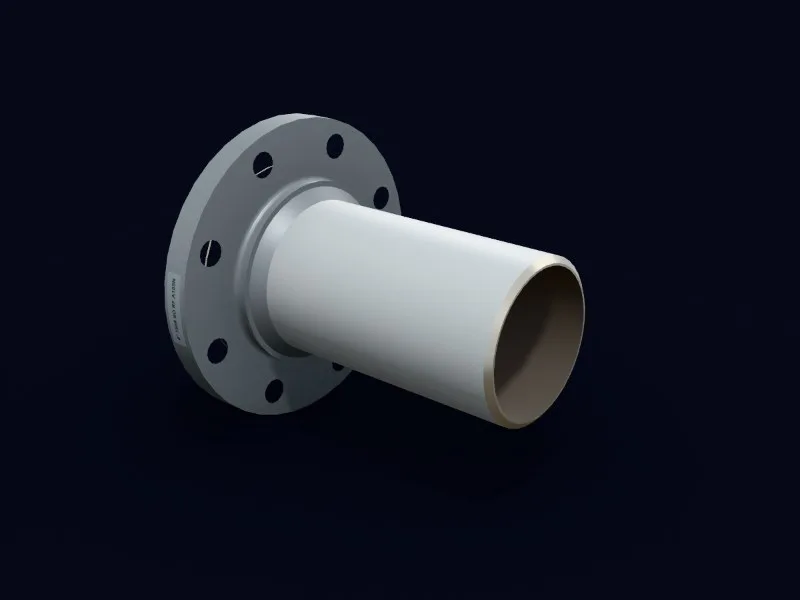
The gasket builds spiral-wound gaskets with inner and colour-coded centring rings, ring-type joints and sheet rings. Its props include type, winding, filler and ring (octagonal or oval). The flanged joint, blind flange and spectacle blind include a spiral-wound gasket in the stack. Joint stack-ups use a single typical gasket thickness, GASKET_SPIRAL_WOUND, rather than per-size values from the standard.
import { GASKET_SPIRAL_WOUND } from './components/deck-twin/lib/standards'

GASKET_SPIRAL_WOUND  // 0.0045 (typical, used in every flange stack-up)
Deck Twin uses these standards as reference values for visualisation. Check the current edition of each standard before using any value for design, procurement or fabrication.