ASME B1.20.1
Pipe threads, general purpose (inch)
ASME B1.20.1 NPT tapered pipe threads: taper, thread form, sealing and limits on threaded joints in hydrocarbon service, with threaded components.
Scope
ASME B1.20.1 defines general purpose inch pipe threads: NPT (taper pipe thread) and the straight forms such as NPSM. It sets thread form, taper, pitch by size, gauging and tolerances.
On oil and gas facilities NPT threads appear on instrument connections, gauges, small-bore fittings, threaded flanges, plugs, vents and drains, and on many packaged skids. Instrument tubing fittings are commonly screwed into 1/2 in or 1/4 in NPT ports.
Dryseal threads (NPTF) are covered by ASME B1.20.3, and API threads for tubulars and wellhead equipment by API specifications. Whether threaded joints are allowed on a line is set by the piping code and the project piping class.
Key concepts
- Taper
- NPT threads taper at 1 in 16 on diameter. The joint tightens as the male thread is screwed into the female thread, and the flanks wedge together.
- Thread form
- The thread has a 60 degree included angle with flattened crests and roots. The number of threads per inch depends on the pipe size.
- Sealing
- NPT threads are not leak-tight by themselves. A sealant or PTFE tape fills the spiral leak path at the crests and roots.
- Seal welding
- On hydrocarbon and toxic service many specifications require threaded joints to be seal welded, or forbid them above a set size or class.
- Hand-tight and wrench make-up
- Gauging defines how far the thread engages hand-tight, with further turns made up with a wrench. Over-tightening can crack fittings or distort valve bodies.
In Deck Twin
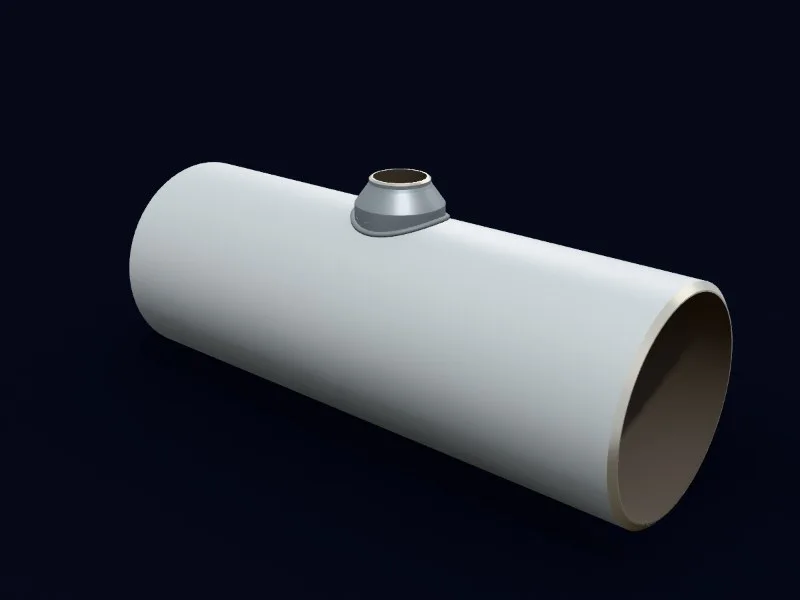
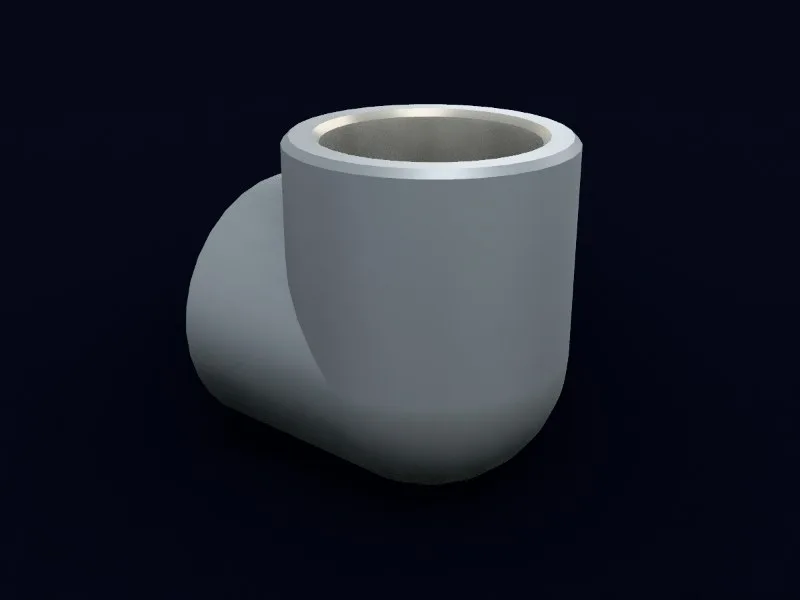
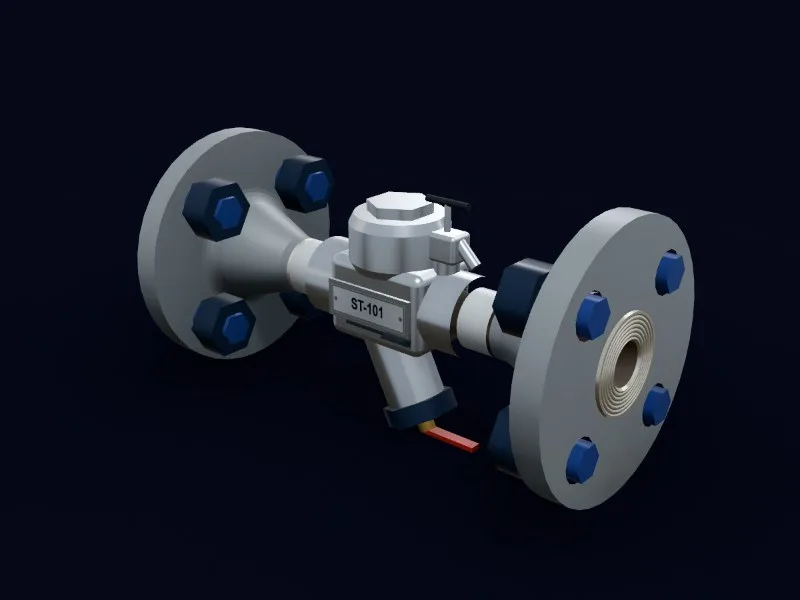
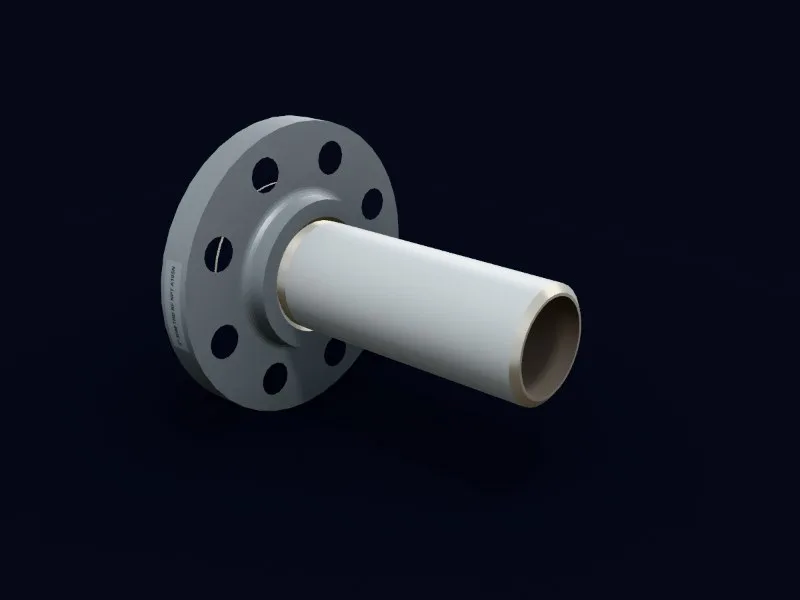
The threaded flange models an NPT internal thread with an entry chamfer, screwed pipe and an optional seal weld (sealWeld). The small-bore fitting uses threaded ends when end is thread, and the olet and steam trap also cite the standard for screwed connections. There is no lib/standards function for B1.20.1.
Deck Twin uses these standards as reference values for visualisation. Check the current edition of each standard before using any value for design, procurement or fabrication.