ASME B16.9
Factory-made wrought buttwelding fittings
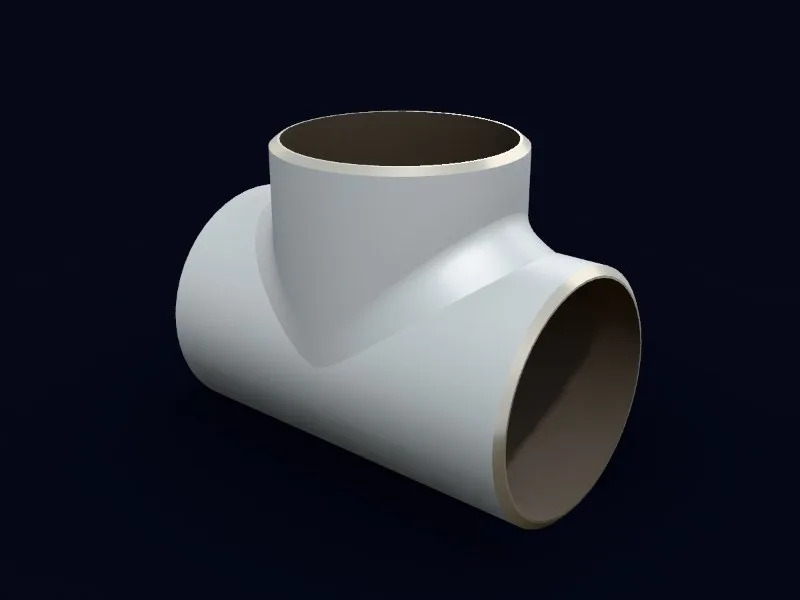
ASME B16.9 butt-weld fittings: long and short radius elbows, tees, reducers, caps and stub ends, with centre-to-end dimensions and 3D components.
Scope
ASME B16.9 covers factory-made wrought steel and alloy buttwelding fittings from NPS 1/2 to NPS 48: elbows, returns, tees, crosses, reducers, caps and lap joint stub ends. It sets overall dimensions, tolerances, marking and the basis of pressure rating.
Butt-welded fittings are the standard way to change direction and size in process piping NPS 2 and above. Most of the bends, branches and size changes on a topsides piping isometric are B16.9 fittings welded to pipe and weld neck flanges.
Small-bore forged fittings are covered by ASME B16.11. Weld end preparation is defined in ASME B16.25. High-yield fittings for pipelines are commonly bought to MSS SP-75.
Key concepts
- Pressure rating by pipe
- B16.9 fittings have no pressure class. A fitting is rated the same as straight seamless pipe of the same material and wall thickness, so it is ordered by size and schedule, for example "6 in Sch 40 LR 90 elbow".
- Long and short radius elbows
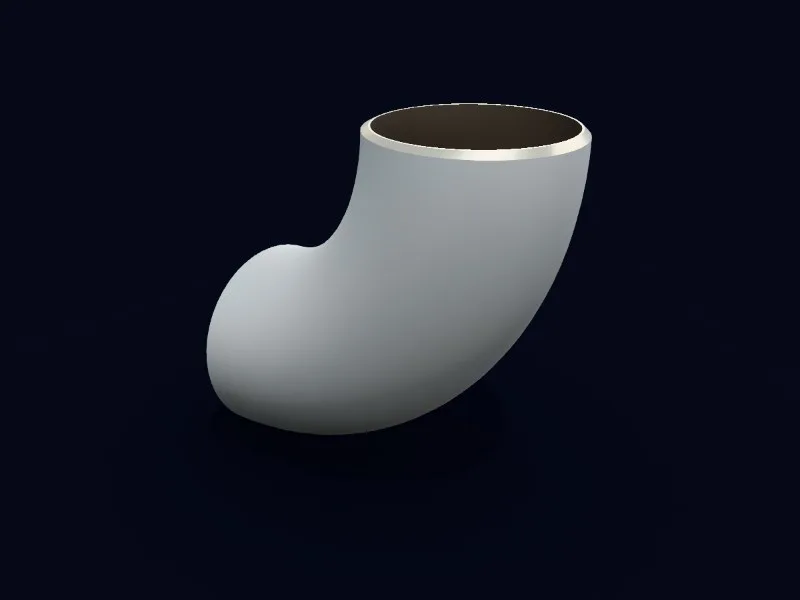
- A long radius (LR) elbow has a centreline radius of 1.5 times the NPS. A short radius (SR) elbow has a radius equal to the NPS. LR is the default; SR saves space but raises pressure drop and stress, and many specifications restrict it.
- Centre-to-end dimensions
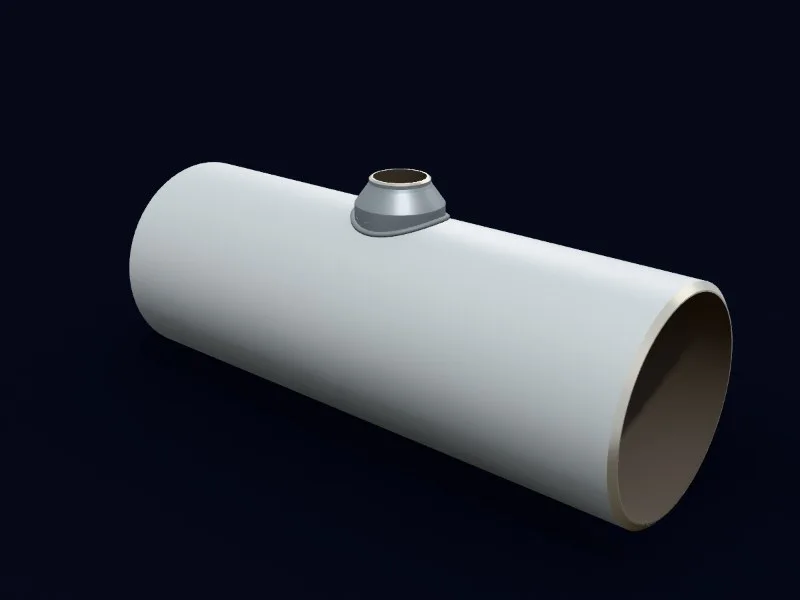
- Elbows, tees and crosses are dimensioned from the fitting centre to each weld end. Reducers are dimensioned end to end and caps by height. These fixed dimensions let designers lay out piping before fittings are bought.
- Tees and reducers
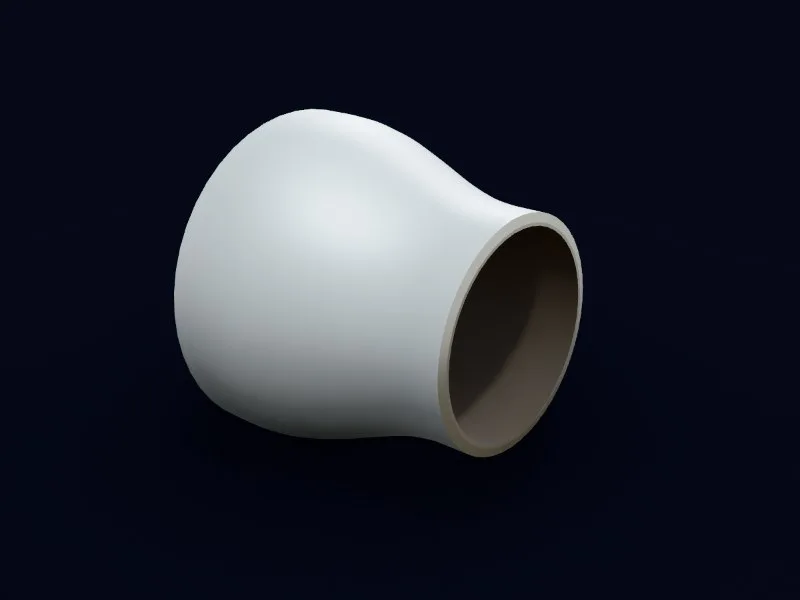
- Tees are straight (equal) or reducing on the branch. Reducers are concentric or eccentric. Eccentric reducers are used flat side up on pump suctions to avoid trapping vapour, and flat side down on pipe racks to keep a constant bottom of pipe.
- Stub ends
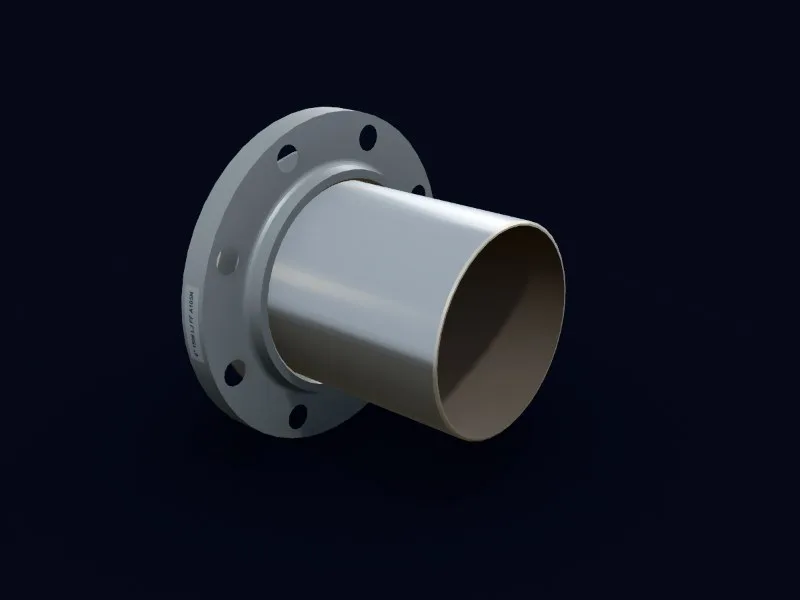
- Lap joint stub ends are welded to the pipe and backed by a loose lap joint flange. They allow bolt-hole alignment and use cheaper flange materials on alloy lines.
Questions
What are wrought buttwelding fittings?
They are pipe fittings formed from pipe, plate or forgings, with bevelled ends that are welded to the pipe. ASME B16.9 covers the factory-made ones: elbows, tees, reducers, caps and stub ends. The elbow, tee and reducer are sized from its tables.
What is a 3D elbow?
It is an elbow with a centreline bend radius of three times the nominal pipe size. A long radius elbow is 1.5D and a short radius elbow is 1D. ASME B16.9 includes 3D elbows, and the centre-to-end dimension of a 90 degree 3D elbow is three times the NPS in inches. Larger radii, such as 5D, are pipe bends rather than B16.9 fittings. The library elbow offers long and short radius only.
In Deck Twin
The elbow90, elbow45, elbow180, tee, reducer, cap and stubEnd functions return B16.9 dimensions in metres. Equal tees follow the standard; reducing-branch outlet dimensions are approximated. The elbow takes radius (LR or SR), angle and schedule, and the tee and reducer follow the same tables, with B16.25 bevelled ends or welded flanges. The lap joint flange uses stubEnd.
import { elbow90, tee } from './components/deck-twin/lib/standards'

elbow90(6)        // 0.2286 (LR, 1.5 x NPS)
elbow90(6, 'SR')  // 0.1524
tee(8, 4)         // { run: 0.1778, branch: 0.1524 } (reducing branch is approximate)
Deck Twin uses these standards as reference values for visualisation. Check the current edition of each standard before using any value for design, procurement or fabrication.
Components that follow ASME B16.9 8