ASME B16.25
Buttwelding ends
ASME B16.25 butt-weld end preparation explained: the 37.5 degree bevel, root face and heavy-wall bevels for pipe, weld neck flanges, fittings and valves.
Scope
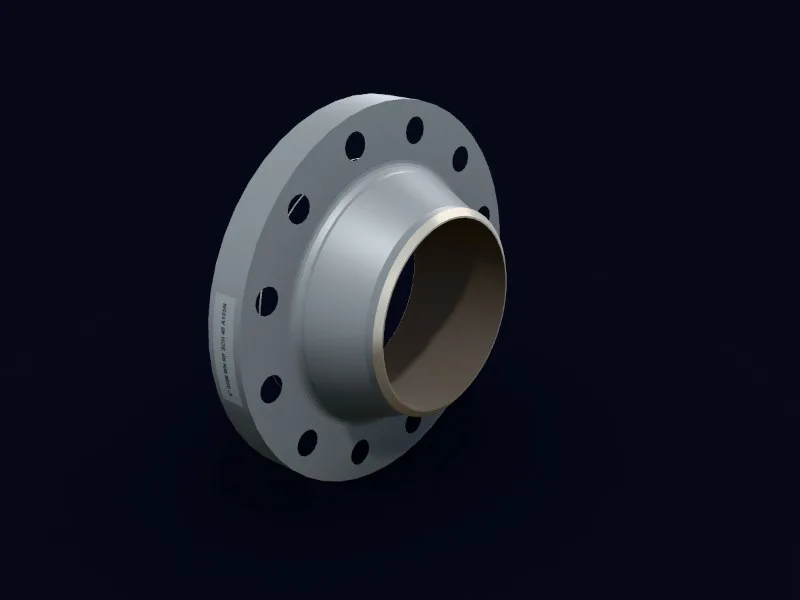
ASME B16.25 covers the preparation of buttwelding ends on piping components to be joined by welding: pipe, fittings, valves and flanges. It defines bevel angles, root face (land), compound bevels for heavy walls, and internal preparation for backing rings.
Every butt weld in process piping, pipelines and skid piping depends on matching end preparations. B16.25 is referenced by the fitting, valve and flange standards so that components from different suppliers can be welded together.
It does not cover welding procedures, welder qualification or examination. Those come from the piping code (such as ASME B31.3) and ASME Section IX.
Key concepts
- Standard bevel
- For most wall thicknesses the end is cut at 37.5 degrees, with a tolerance of plus or minus 2.5 degrees, leaving a flat root face of about 1.6 mm. Two such ends form a 75 degree included-angle V groove.
- Compound bevel
- On heavy walls, above about 22 mm, a compound bevel is used: the standard angle near the root, changing to a narrower 10 degree bevel further out. It reduces the weld volume compared with a single bevel.
- Root face
- The root face, or land, supports the root pass and controls penetration. A gap is set between the two ends during fit-up.
- Internal preparation
- The standard also covers internal machining (counterbore or taper) where wall thicknesses differ, or where backing rings are used.
- Weld neck flanges and valves
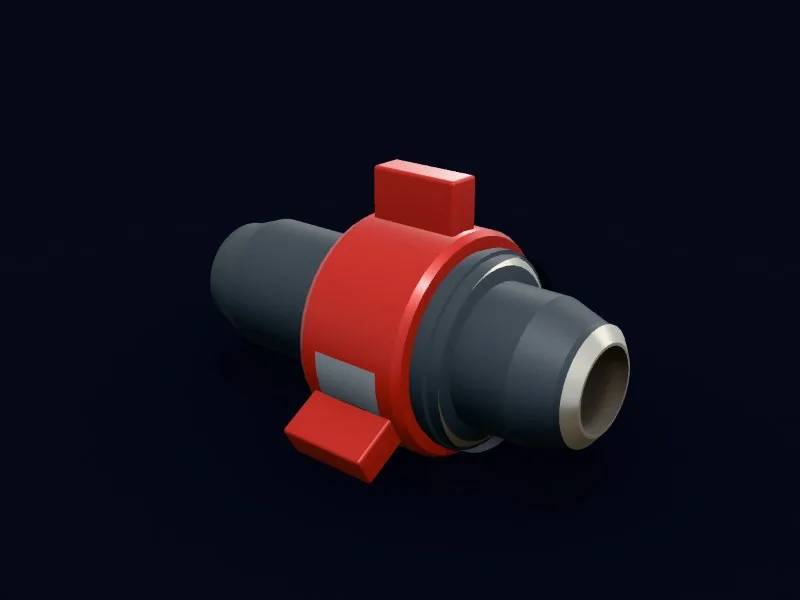
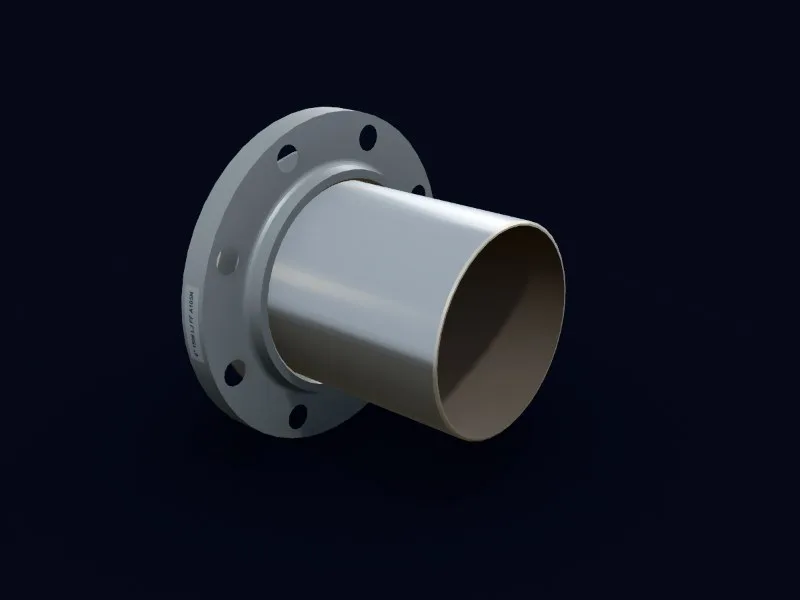
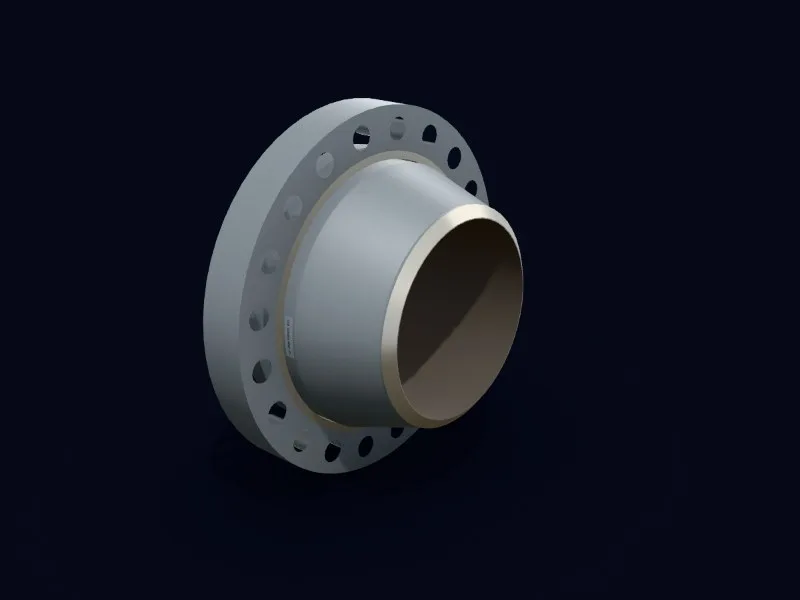
- Weld neck flanges and butt-weld valves are supplied with ends prepared to B16.25 to match the pipe schedule. The schedule must be stated when ordering.
Questions
What is ASME B16.25?
It is the standard for the shape of the ends of piping components that will be butt welded together. It sets the bevel angle, the root face and the internal preparation, so that pipe, fittings, flanges and valves from different makers line up for welding.
How does ASME B16.25 apply to flanges?
It applies to weld neck flanges. The end of the hub is bevelled to B16.25, and the bore is machined to match the pipe schedule, so the schedule must be stated on the order. Slip-on, socket weld, threaded and blind flanges have no butt-weld end. See the weld-neck flange.
What is the standard bevel angle for a butt weld?
For wall thicknesses up to about 22 mm the bevel is 37.5 degrees, plus or minus 2.5 degrees, with a root face of about 1.6 mm. Thicker walls use a compound bevel that changes to 10 degrees further out. The welding procedure can call for a different preparation.
In Deck Twin
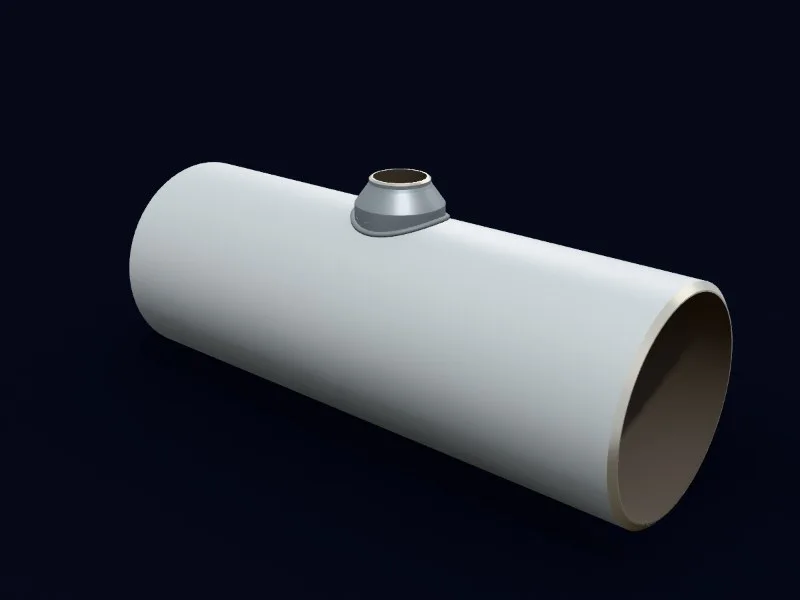
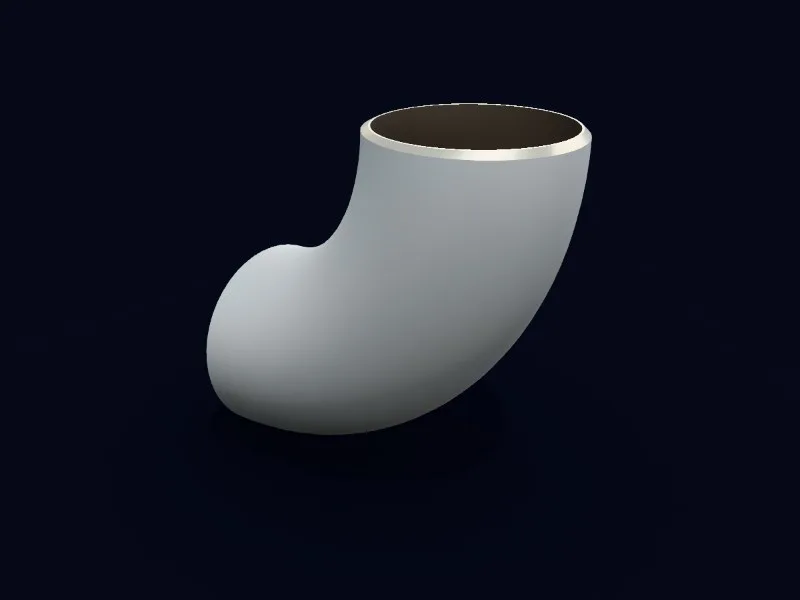
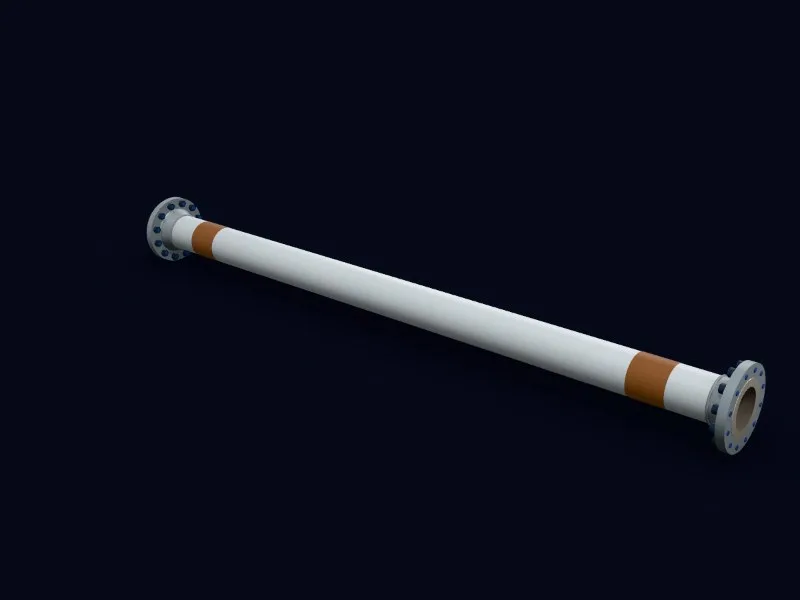
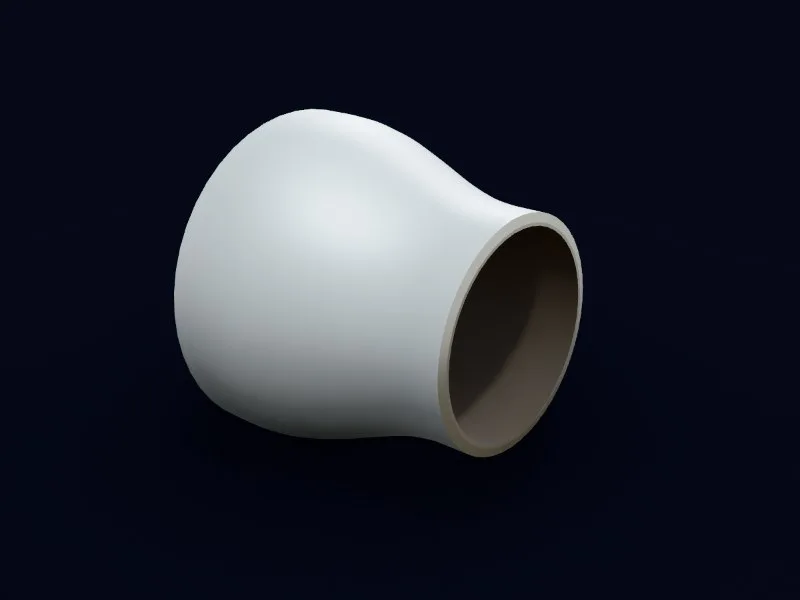
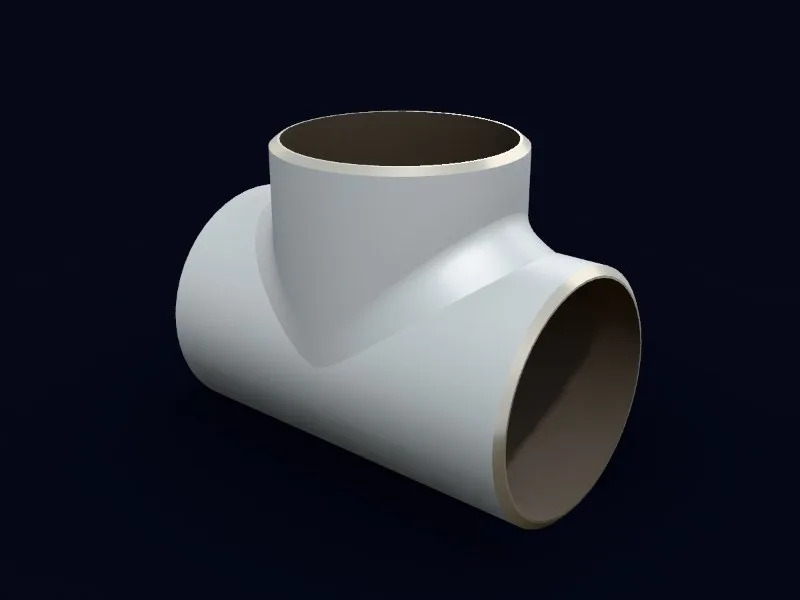
Bevelled ends on the pipe spool, elbow, tee, reducer and weld-neck flange are drawn with a 37.5 degree bevel and a 1.6 mm land, from a shared piping helper that sizes the bevel from the pipe wall for the chosen schedule. Compound bevels for heavy walls are not modelled. There is no lib/standards function for B16.25.
Deck Twin uses these standards as reference values for visualisation. Check the current edition of each standard before using any value for design, procurement or fabrication.
Components that follow ASME B16.25 9