ASME B16.34
Valves: flanged, threaded and welding end
ASME B16.34 explained: the valve standard for pressure-temperature ratings, wall thickness and testing, and how it relates to API 600 and B16.10.
Scope
ASME B16.34 covers pressure-temperature ratings, materials, minimum body wall thickness, design, testing and marking of valves with flanged, threaded and welding ends. It applies to most valve types, including gate, globe, check, ball, plug and butterfly valves.
It is the general valve pressure standard behind most valve product standards used on oil and gas plants. API 600, API 602, API 608 and API 623 refer to it. Pipeline valves to API 6D and wellhead valves to API 6A have their own rating rules.
B16.34 does not set face-to-face lengths (ASME B16.10) or flange dimensions (ASME B16.5).
Key concepts
- Pressure classes
- Valves are rated by class, from Class 150 to Class 2500 in the B16.5 series, plus Class 4500 for welding-end valves. Intermediate ratings are allowed for welding-end valves.
- Standard, Special and Limited Class
- Standard Class is the default rating. Special Class allows higher ratings for welding-end valves that pass extra examination of the body castings or forgings. Limited Class applies to some small threaded and welding-end valves.
- Material groups
- Ratings are tabulated by material group, much like B16.5. The same class gives a different allowable pressure for carbon steel, low alloy and stainless bodies at the same temperature.
- Minimum wall thickness
- The standard sets a minimum body wall for each class and inside diameter. This is a key check when reviewing vendor valve drawings.
- Shell and seat testing
- Each valve is shell tested at about 1.5 times its 38 °C rating and given a closure (seat) test. The exact pressures and durations must be checked in the current edition.
Questions
What is ASME B16.34?
It is the ASME standard for valves with flanged, threaded and welding ends. It sets the pressure-temperature ratings for each class and material, the minimum body wall thickness, and the shell and seat tests. Most valve product standards refer to it for these basics.
Which ASME standards apply to valves?
ASME B16.34 sets ratings, wall thickness and testing. ASME B16.10 sets face-to-face lengths. Flanged ends follow ASME B16.5, welding ends follow ASME B16.25, and threaded ends follow ASME B1.20.1. The design of each valve type comes from product standards such as API 600, API 6D, API 609 and API 594.
What is the difference between ASME B16.34 and API 600?
ASME B16.34 gives general rules for all valve types. API 600 is a product standard for bolted-bonnet steel gate valves in refinery and petroleum service. It takes its pressure-temperature ratings from B16.34 and then asks for more: thicker body walls and detailed rules for stems, seats and bonnets. An API 600 gate valve therefore also meets B16.34.
In Deck Twin
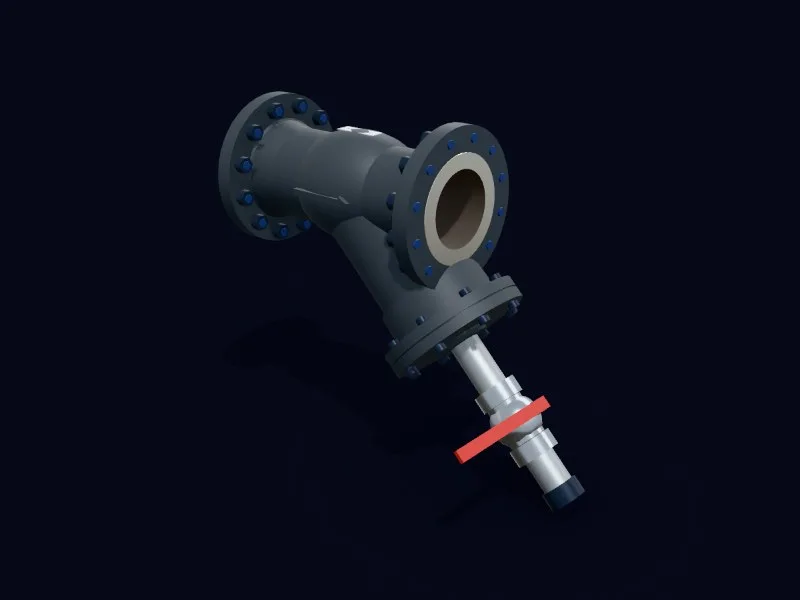
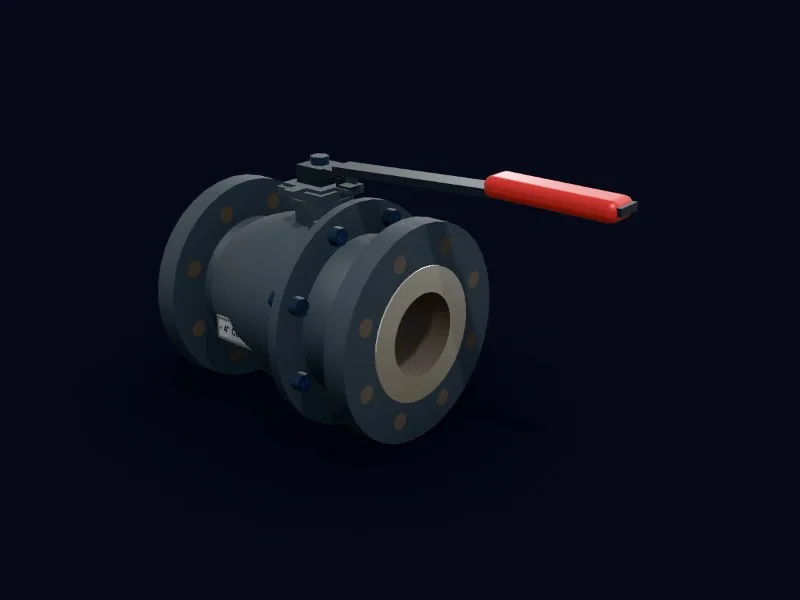
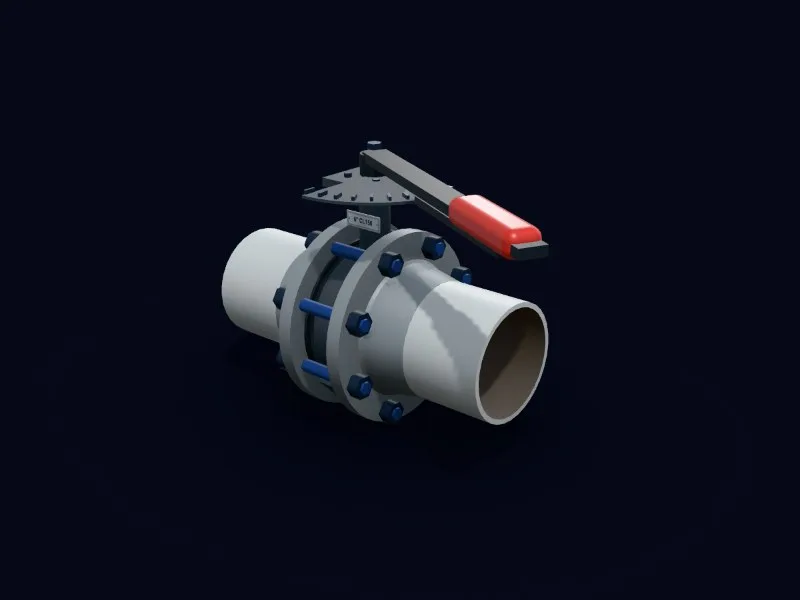
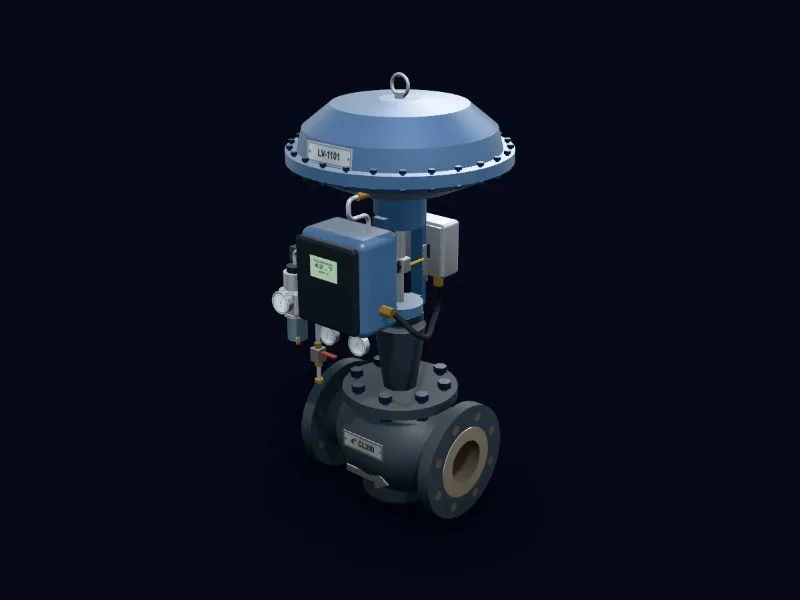
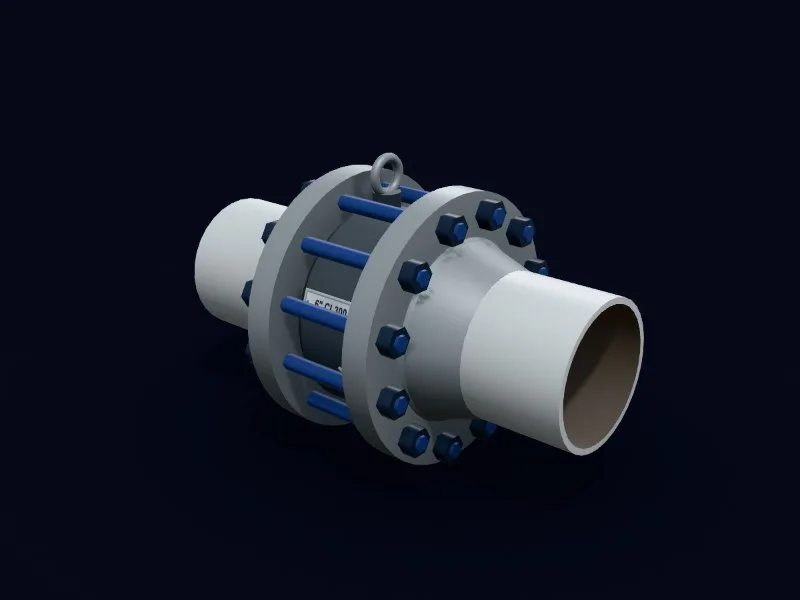
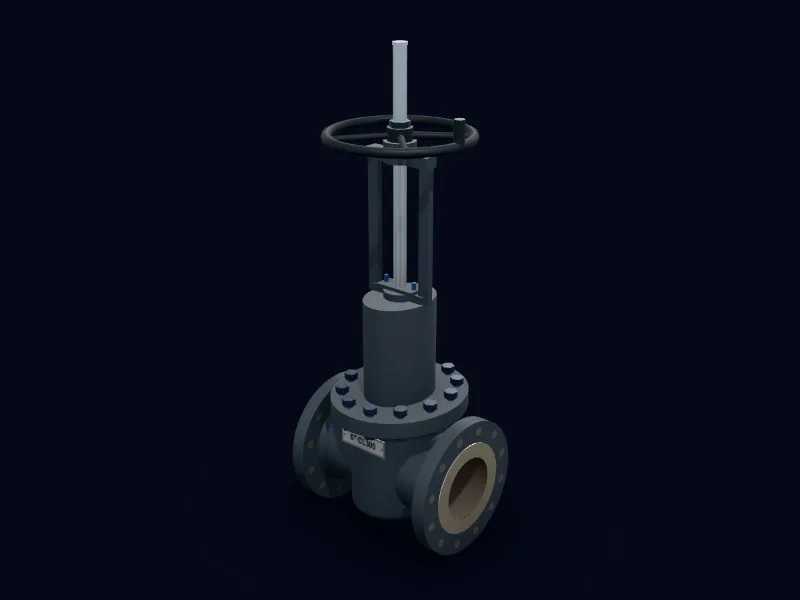
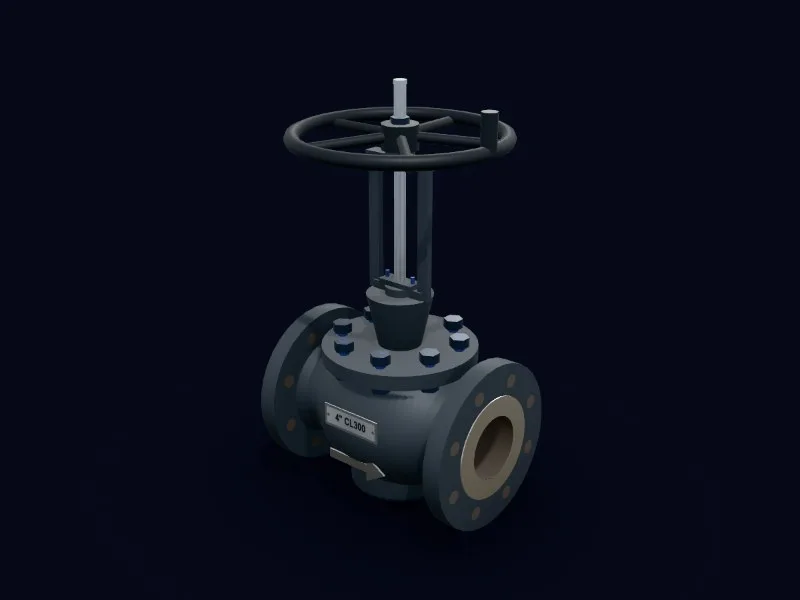
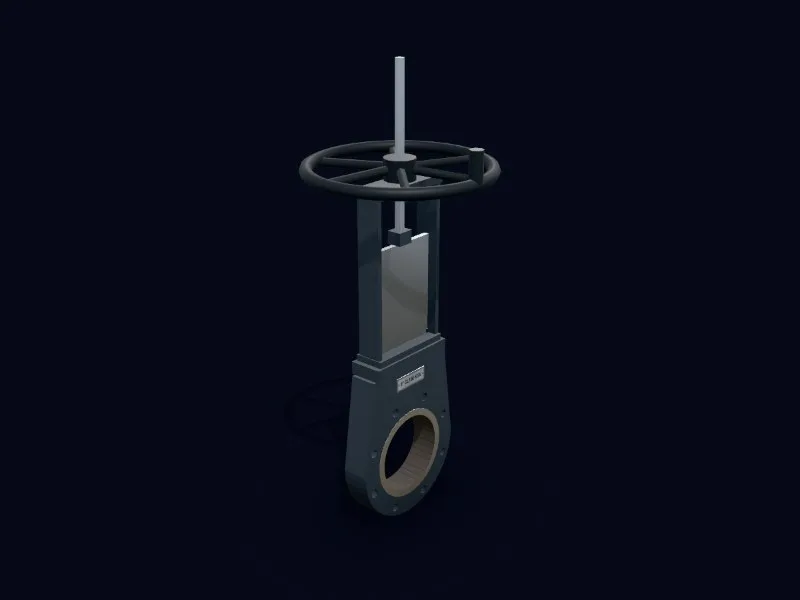
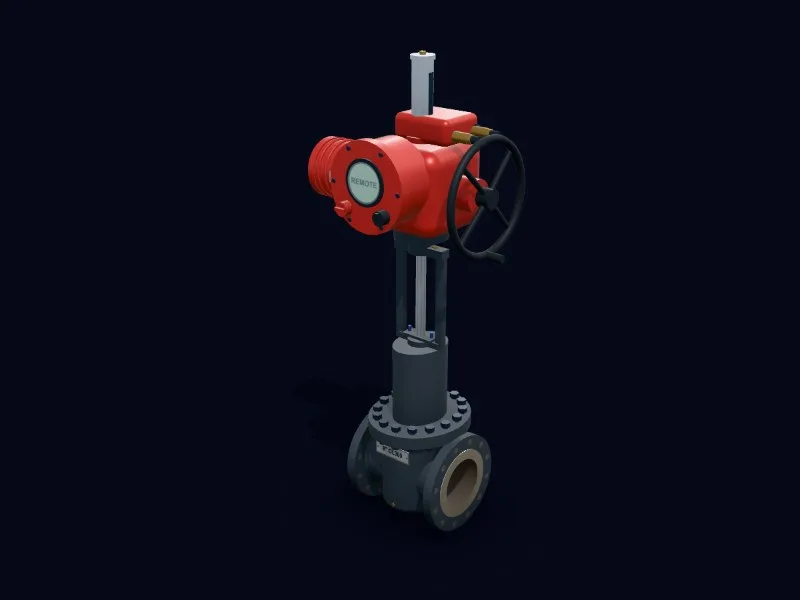
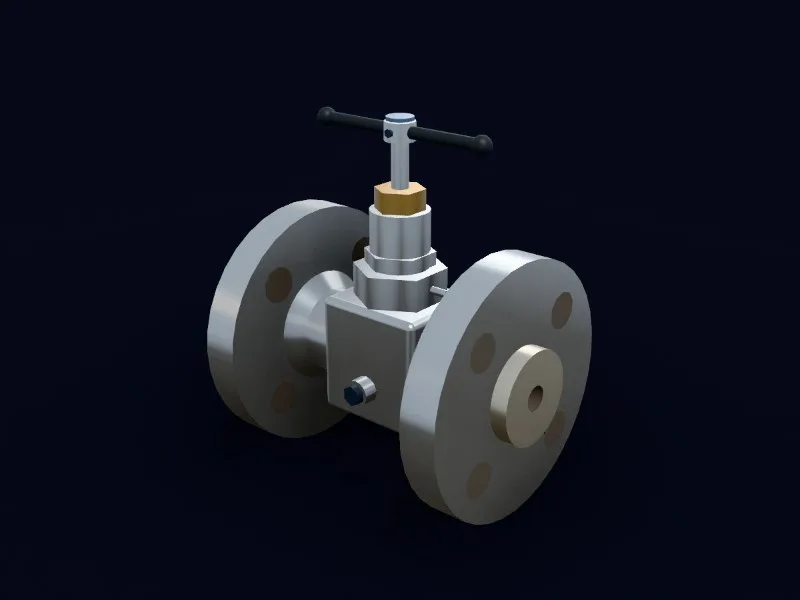
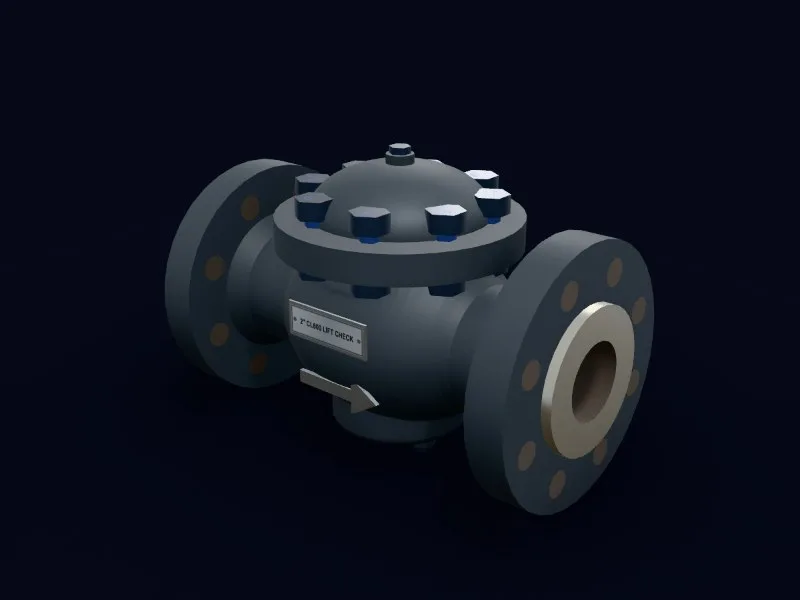
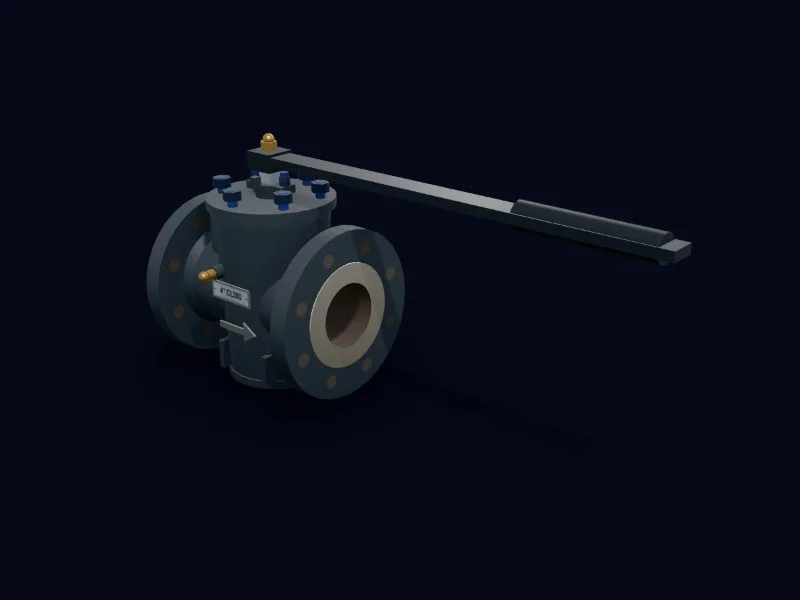
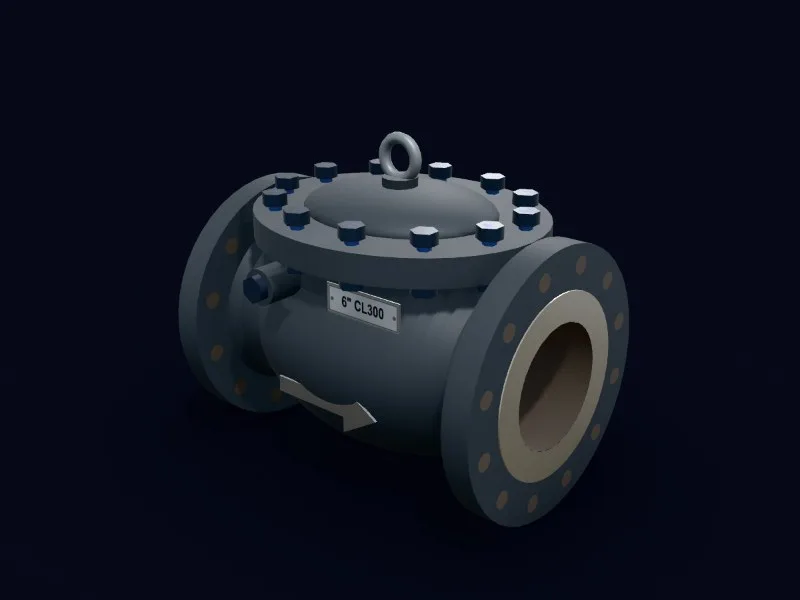
Deck Twin valves cite B16.34 for their class designation: the rating prop on every valve uses the Rating type (150, 300, 600, 900, 1500, 2500). The body geometry is generic and is not drawn to B16.34 wall thickness. Components that cite it include the gate valve, globe valve, ball valve, butterfly valve, control valve, dual-plate check valve, needle valve and Y-strainer. There is no lib/standards function for B16.34.
Deck Twin uses these standards as reference values for visualisation. Check the current edition of each standard before using any value for design, procurement or fabrication.
Components that follow ASME B16.34 13