ASME B31.3
Process piping
ASME B31.3 process piping in plain words: chapters, fluid service categories, examination and testing, compliance, and B31.3 vs B31.1, B31.4 and B31.8.
Scope
ASME B31.3 is the code for process piping in petroleum refineries, chemical plants, gas processing plants and similar facilities. It covers materials, pressure design, flexibility and support, fabrication, examination and testing of piping within the plant.
On oil and gas facilities it governs onshore plant piping and offshore topsides process piping, from the wellhead or riser interface to the export pipeline isolation. Project piping classes, line lists and stress analysis are built on it.
It does not cover cross-country and offshore transport pipelines (ASME B31.4 and B31.8) or pressure vessels (ASME BPVC Section VIII). Component standards such as ASME B16.5 and B16.9 are referenced from it.
The ASME B31 family
ASME B31 is the Code for Pressure Piping. It is published as separate books, called sections, and each one covers one kind of piping. The sections share a numbering style and many ideas, but their rules differ, so each piping system is designed to one section only.
On oil and gas facilities three sections do most of the work: B31.3 inside the plant, B31.4 for liquid pipelines and B31.8 for gas pipelines. B31.1 appears where a site has a power plant or steam boilers.
| Section | Subject | Typical use |
|---|---|---|
| B31.1 | Power piping | Power stations, boiler external piping, industrial steam and district heating |
| B31.3 | Process piping | Refineries, chemical plants, gas plants and offshore topsides |
| B31.4 | Pipelines for liquids and slurries | Crude oil, products, NGL and CO2 pipelines, with their pump stations and terminals |
| B31.5 | Refrigeration piping | Refrigerant and secondary coolant systems |
| B31.8 | Gas transmission and distribution piping | Gas pipelines, compressor stations and distribution mains |
| B31.9 | Building services piping | Heating, cooling and water piping in commercial and public buildings |
Section subjects as published by ASME. Some older sections have been withdrawn or merged into others. Check the ASME catalogue for the current list and editions.
How B31.3 is organised
The code is split into ten chapters. Chapters I to VI apply to metallic piping in general. Chapters VII to X add to or change those rules for special cases, and their paragraph numbers carry a letter prefix: A for nonmetallic piping, M for Category M, K for high pressure and U for high purity.
The paragraph numbers follow the chapters. Paragraph 300 is the scope, the 301 to 322 range is design, and 341 and 345 are examination and testing. Engineers quote these numbers on drawings and in specifications, so it helps to know roughly where each topic sits.
| Chapter | Subject | What you use it for |
|---|---|---|
| I | Scope and definitions | What is in and out of the code, and the terms it uses |
| II | Design | Design conditions, wall thickness, limits on components and joints, flexibility and supports |
| III | Materials | Listed materials, temperature limits and impact testing |
| IV | Standards for piping components | The component standards the code accepts, such as B16.5 and B16.9 |
| V | Fabrication, assembly and erection | Welding, preheat, heat treatment, bending and bolting up |
| VI | Inspection, examination and testing | Who inspects, how many welds are examined, and the leak test |
| VII | Nonmetallic and nonmetal-lined piping | Plastic, reinforced resin and lined pipe |
| VIII | Category M fluid service | Extra rules for very toxic fluids |
| IX | High pressure piping | Rules for lines the owner designates as high pressure |
| X | High purity piping | Clean services, such as pharmaceutical and semiconductor plants |
Chapter subjects follow the published table of contents of recent editions. The appendices hold the allowable stress tables and other reference data.
Fluid service categories
Every line in a B31.3 plant belongs to a fluid service. The owner of the plant decides which one, usually when the line list is written. The choice sets how much examination and testing the line needs and which components and joints it may use.
Most hydrocarbon lines are Normal fluid service. Category D is a lighter set of rules for harmless low-pressure services such as cooling water or plant air, and the owner may choose not to use it. Category M and High Pressure add rules on top of the base code.
Two further conditions are checked line by line. Severe cyclic conditions, such as lines that vibrate or see large thermal cycles, rule out some joints, including slip-on and threaded flanges. Elevated temperature service brings extra rules for lines that run hot.
Where B31.3 stops
B31.3 covers the piping inside the plant. It does not cover the equipment the piping connects to. Pressure vessels, heat exchangers, pumps and compressors are designed to their own codes, and B31.3 picks up at the joint between the piping and the equipment nozzle.
Upstream, the wellhead and christmas tree follow API 6A, normally up to the choke outlet. Downstream, the export line becomes a pipeline at a code break chosen by the project, often at the pig launcher or the last plant isolation valve. From there it follows ASME B31.4 or B31.8. Steam boilers and their external piping, where a site has them, follow B31.1 and the boiler code.
A code break is a line on the drawings, not a physical object. Mark it on the P&IDs and the line list, because the design factors, materials, test pressures and inspection rules change across it.
Examination and leak testing
Chapter VI sets the minimum checks before a piping system goes into service. The fluid service decides how many.
- 1
Visual examination
Joints are examined visually during fabrication and erection in every fluid service. Category D piping needs less examination than Normal service.
- 2
Random radiography or ultrasonics
For Normal fluid service, at least 5 % of circumferential butt welds are radiographed or ultrasonically tested. The welds are picked at random so that every welder’s work is sampled, and a defect in the sample means more welds are examined.
- 3
More for higher hazard
Category M, High Pressure and severe cyclic service need more examination, up to every butt weld. Many owners also ask for more than the code minimum on hydrocarbon lines.
- 4
Leak test
Before start-up the piping is leak tested, normally with water. A pneumatic test with air or nitrogen is allowed where water cannot be used. It runs at a lower pressure, commonly quoted as 1.1 times the design pressure, and needs extra precautions because compressed gas stores far more energy than water.
- 5
Initial service test
For Category D, the owner may accept an initial service leak test. The line is brought up to its operating pressure in service and every joint is checked for leaks.
- 6
Records
Examination and test records are kept for the owner and form part of the handover dossier for the piping.
What B31.3 compliance means for a component
Buyers often ask for a B31.3 compliant valve, strainer or filter. The code applies to the piping system as a whole, so a component is acceptable when it meets one of two routes.
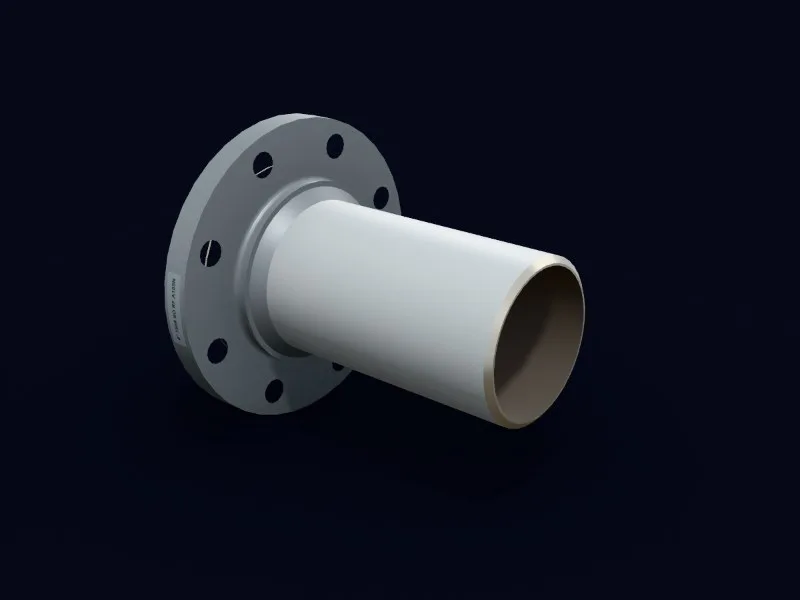
The first route is a listed standard. Chapter IV lists the component standards the code accepts, such as ASME B16.5 flanges, ASME B16.9 fittings and ASME B16.34 valves. A component made to one of them is accepted at its published rating, within the limits that Chapter II sets for the fluid service.
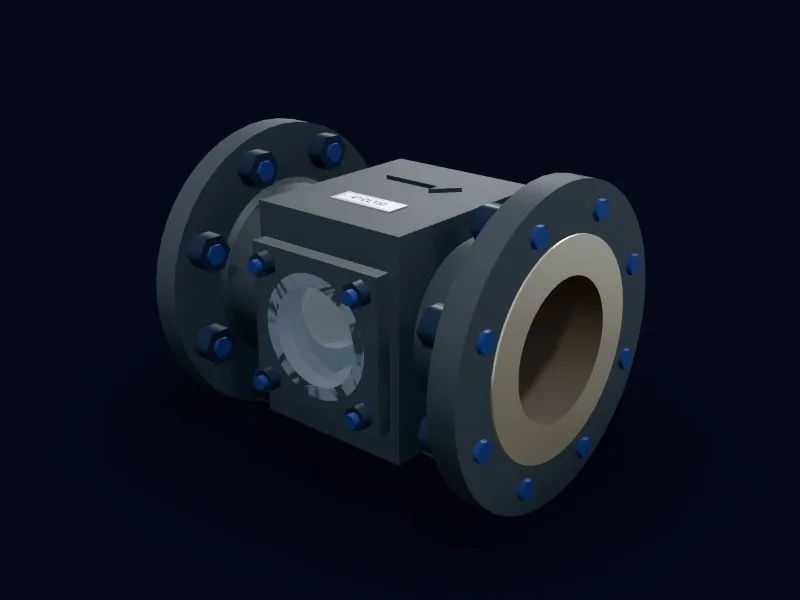
The second route is for unlisted components, which include many strainers, sight glasses and special items. The maker shows that the design meets the code by calculation to its pressure design rules, by a proof test, or by documented service experience with similar parts.
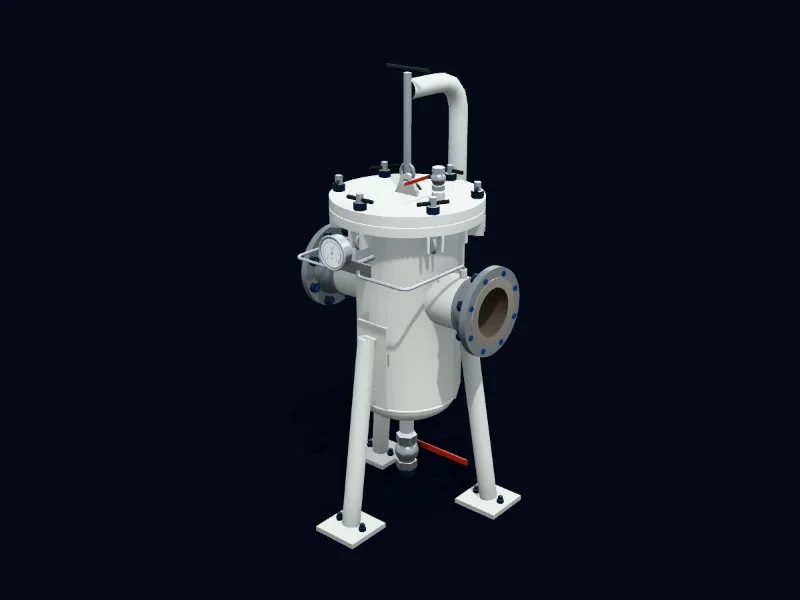
A filter housing built as a pressure vessel to ASME Section VIII is equipment, not piping, and B31.3 governs only the piping joints to it. An inline Y-strainer or basket strainer is usually treated as a piping specialty component. Before buying, ask the vendor for the following.
- 1
Design conditions
A design pressure and temperature at least as high as those of the line.
- 2
Basis of design
The listed standard the item is made to, or the calculation or proof test for an unlisted design.
- 3
Materials
Materials the code lists, with mill certificates and any impact tests needed at the minimum design temperature.
- 4
End connections
Flanges to ASME B16.5 in the class of the piping class, or weld ends that match the pipe.
- 5
Welding
Welding procedures and welders qualified to ASME Section IX, which B31.3 refers to.
- 6
Shop test
A pressure test certificate from the factory. The field leak test of the piping system still applies.
B31.3 on oil and gas facilities
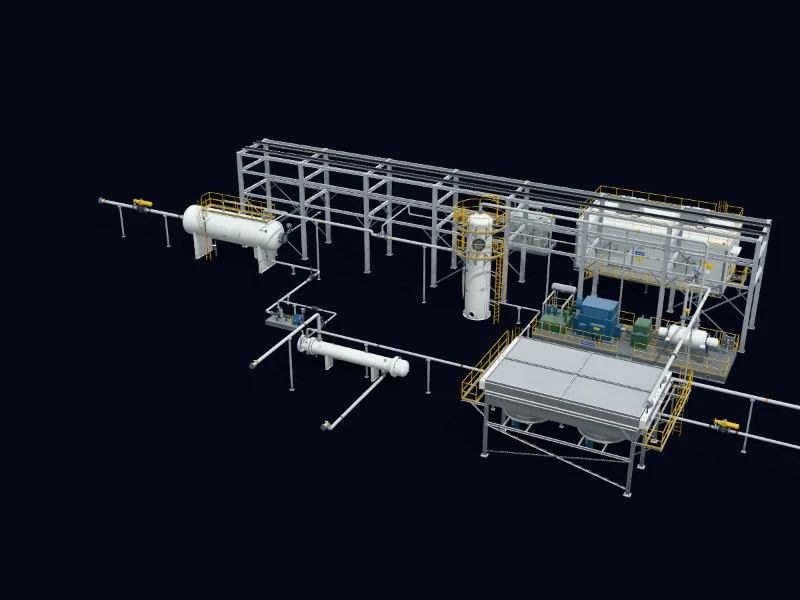
On a production platform or an onshore plant, nearly every line between the wellhead choke and the export pipeline is B31.3: manifolds, separator piping, compressor and pump piping, flare headers, chemical injection and utilities. Projects turn the code into piping classes, which fix the material, flange class, wall thickness and valve types for each service.
Stress engineers use the code’s flexibility rules on hot or long lines, such as compressor discharge piping, flare headers and lines that cross between modules. On floating facilities, hull motion adds displacements that a plant on land does not have.
Key concepts
- Fluid service categories
- The code sorts piping into Normal fluid service, Category D (low-hazard, low pressure and temperature), Category M (toxic) and High Pressure fluid service, plus elevated temperature and high purity services. The category sets the design, examination and testing rules.
- Pressure design
- Wall thickness for straight pipe is calculated from design pressure, outside diameter, allowable stress, weld joint quality and a temperature coefficient, then corrosion and mill tolerance allowances are added. Fittings to listed standards are accepted at their ratings.
- Allowable stresses
- The code tabulates allowable stresses for listed materials over a range of temperatures. Unlisted materials need a justified basis.
- Flexibility analysis
- Piping must absorb thermal expansion and displacements without overstressing the pipe, flanges or equipment nozzles. Lines are checked for the displacement stress range, either by rule or by computer stress analysis.
- Examination
- The amount of weld examination depends on the fluid service. For Normal fluid service a random sample of welds is radiographed or ultrasonically tested; more is required for Category M and High Pressure service.
- Leak testing
- Piping is normally hydrostatically tested at about 1.5 times the design pressure, corrected for temperature. Pneumatic and alternative tests are allowed only under stated conditions. Check the current edition for exact factors.
Questions
What is ASME B31.3?
It is the Process Piping code, one section of the ASME B31 Code for Pressure Piping. It gives rules for the materials, design, fabrication, examination and testing of piping in refineries, chemical plants, gas plants and offshore topsides. It sets minimum safety requirements and leaves the design itself to the engineer.
What is the difference between ASME B31.3, B31.4 and B31.8?
B31.3 covers piping inside a process plant. B31.4 covers pipelines that carry liquids, and B31.8 covers gas transmission and distribution pipelines. The design basis differs: B31.3 uses tabulated allowable stresses, and the pipeline codes limit hoop stress to a fraction of the pipe yield strength. See ASME B31.4 / B31.8.
What does ASME B31.3 compliance mean for a valve, filter or fitting?
The code applies to the piping system as a whole. A component complies when it is made to a standard that the code lists, such as ASME B16.5 for flanges or ASME B16.34 for valves, and is used within its rating. A component with no listed standard, such as many strainers and filters, must be qualified by the calculation or proof test rules of the code.
Where can I get the official ASME B31.3 standard?
ASME publishes and sells it, and a new edition comes out every two years. Deck Twin does not supply the code. This page is a short description in our own words.
What is ASME B31?
ASME B31 is the Code for Pressure Piping. It is a family of separate sections, each for one kind of piping: B31.1 for power piping, B31.3 for process piping, B31.4 for liquid pipelines, B31.8 for gas pipelines, and others for refrigeration and building services. A project names the section that applies to each piping system.
What is the difference between ASME B31.1 and B31.3?
B31.1 covers power piping: power stations, boiler external piping and industrial steam systems. B31.3 covers process piping in refineries, chemical and gas plants and offshore topsides. The two use different allowable stresses and examination rules, and B31.1 is generally the more conservative. A main steam line at a power station follows B31.1, and a hydrocarbon line in a process plant follows B31.3.
What is Category D fluid service in ASME B31.3?
It is a lighter set of rules that the owner may apply to harmless services. The commonly quoted conditions are a fluid that is nonflammable, nontoxic and not damaging to human tissue, a design pressure of 150 psig (1035 kPa) or less, and a design temperature from −29 to 186 °C. It needs less examination, and the owner may accept an initial service leak test instead of a hydrotest.
In Deck Twin
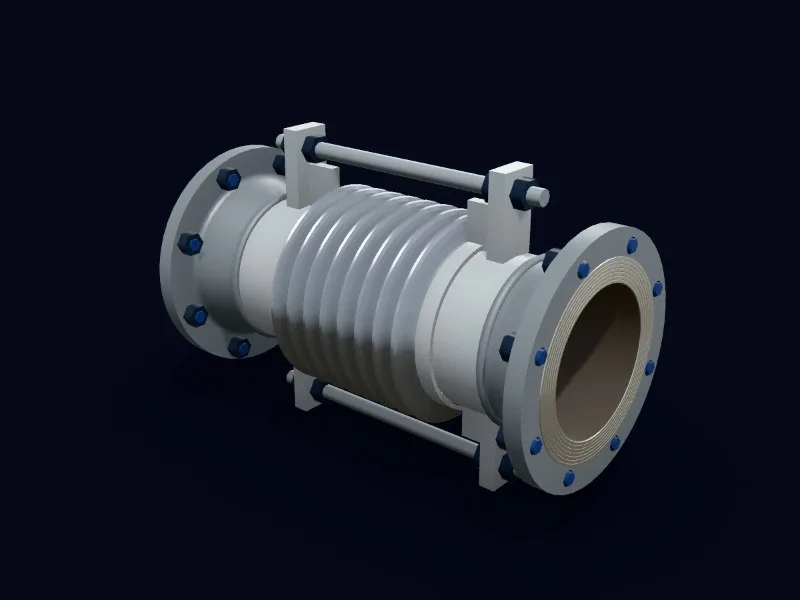
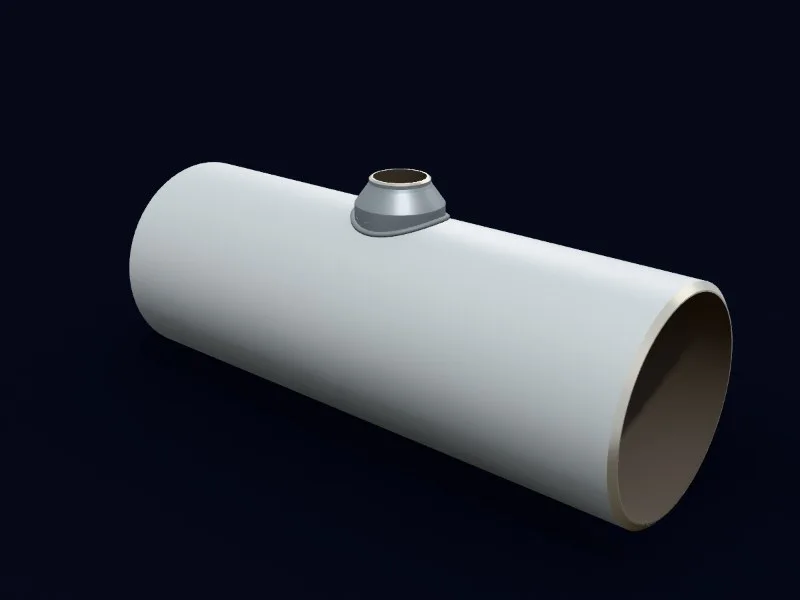
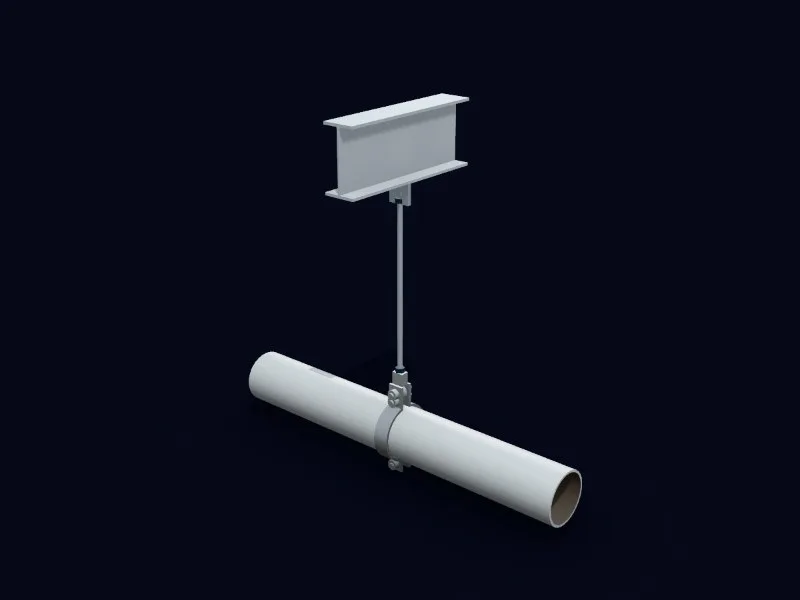
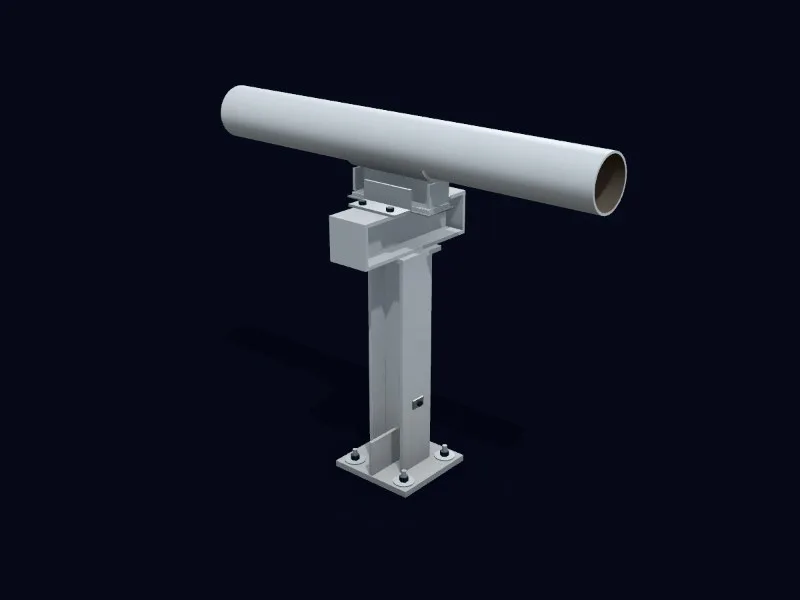
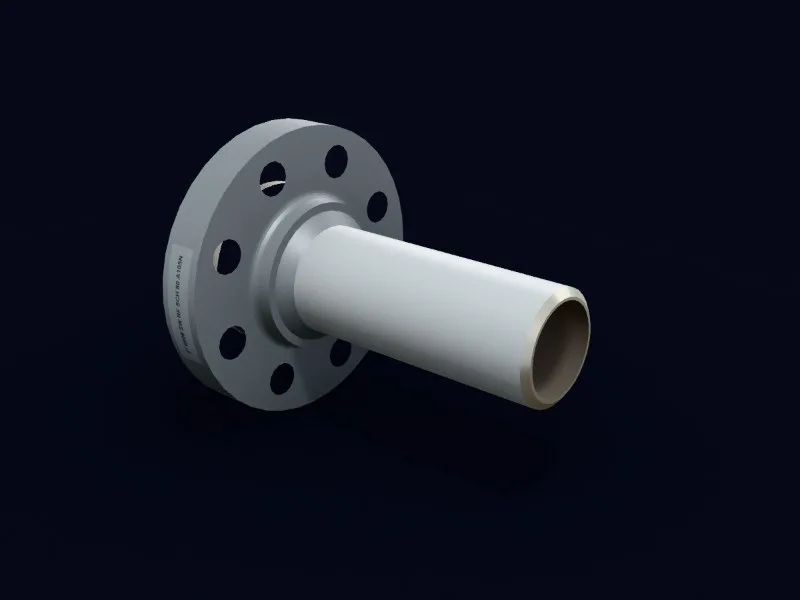
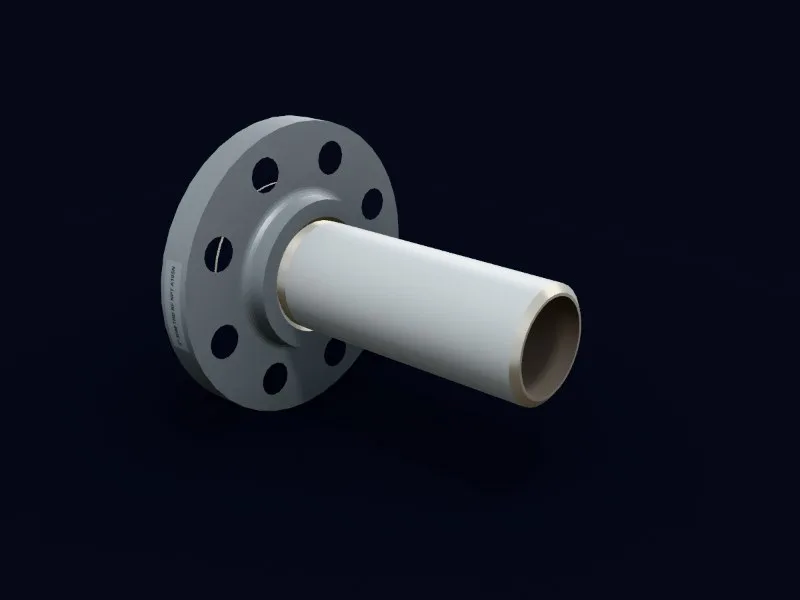
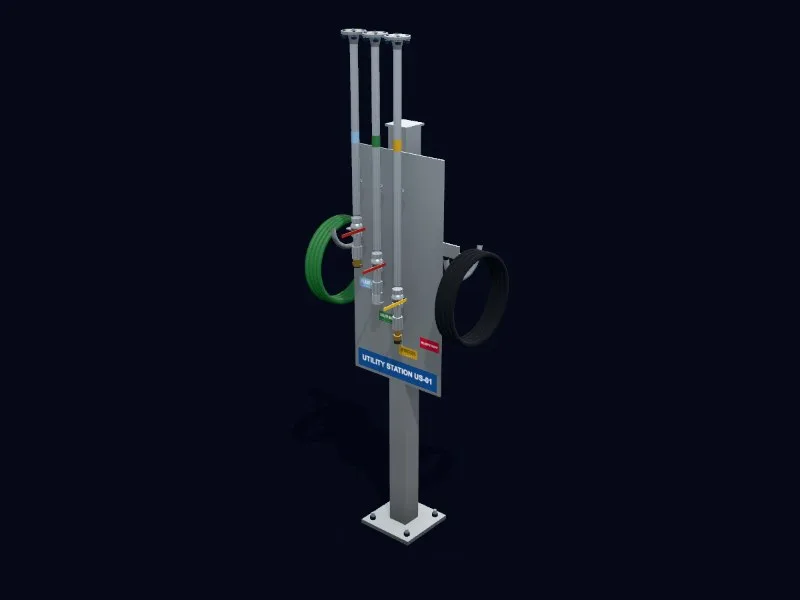
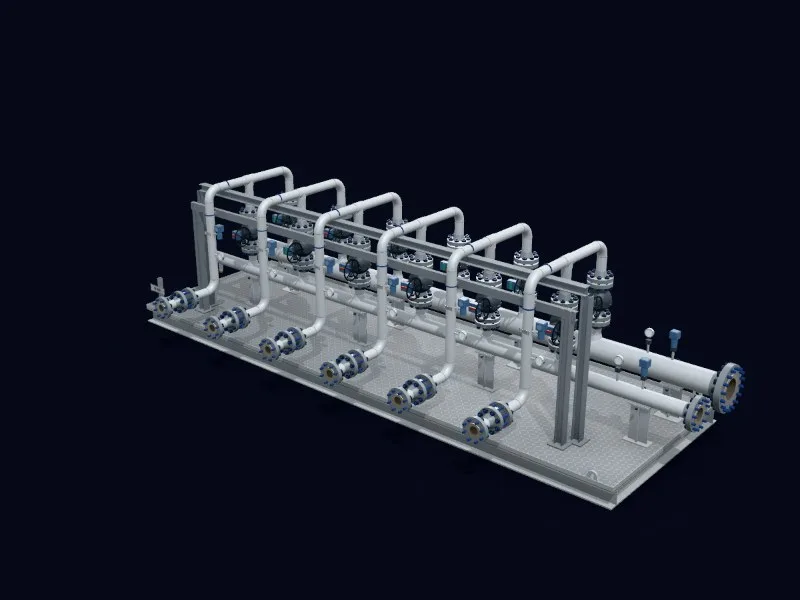
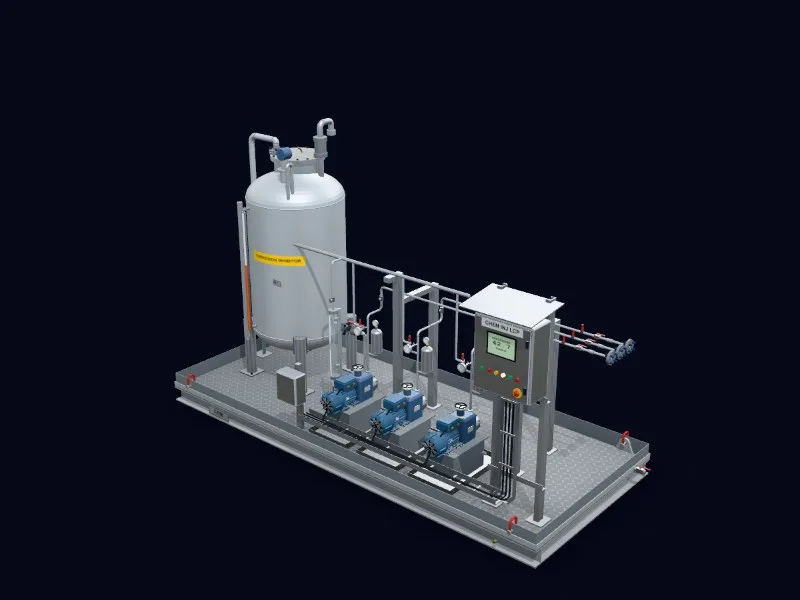
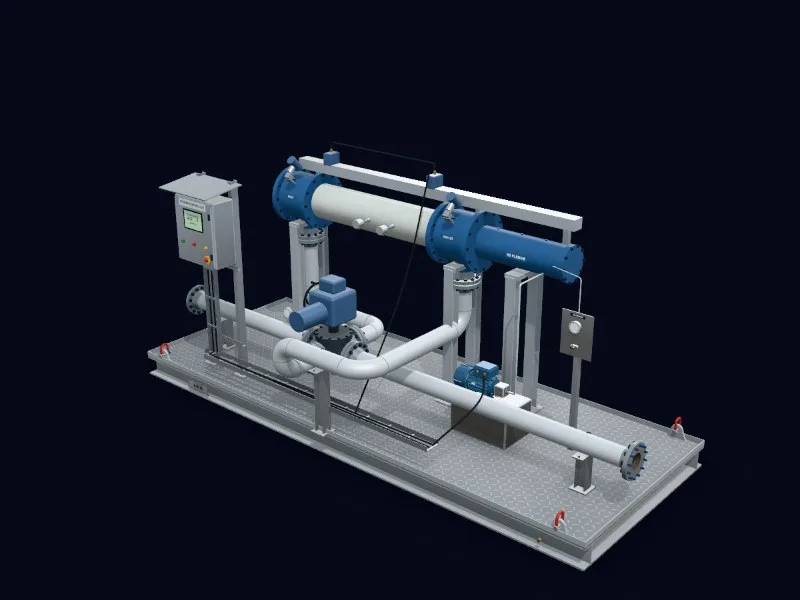
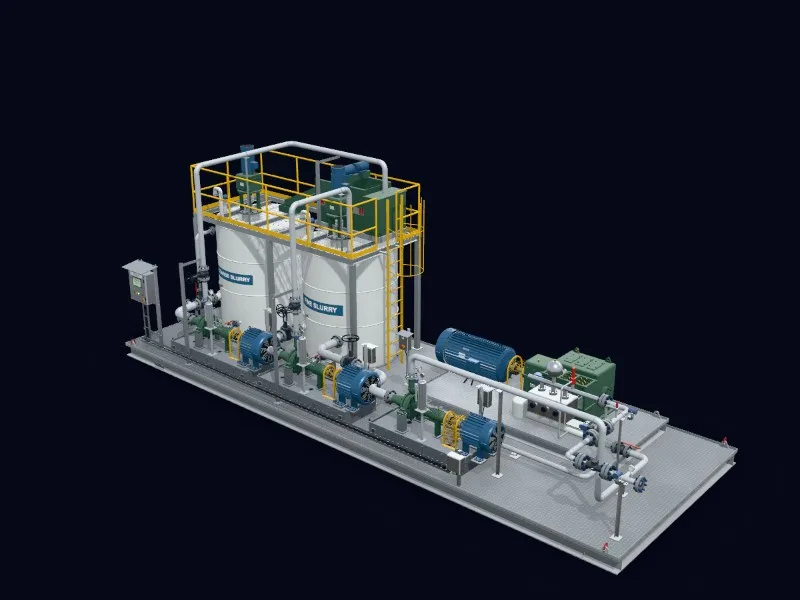
Deck Twin has no B31.3 calculation. Piping components cite it as the code their parts are used under, and use B36.10M walls and B16 dimensions for geometry. Components that cite B31.3 include the production manifold, chemical injection skid, slip-on flange, socket-weld flange, small-bore fitting, olet, pipe support, expansion joint and utility station.
Deck Twin uses these standards as reference values for visualisation. Check the current edition of each standard before using any value for design, procurement or fabrication.
Components that follow ASME B31.3 15