ASME B16.10
Face-to-face and end-to-end dimensions of valves
ASME B16.10 valve face-to-face and end-to-end dimensions for gate, globe, check, ball and plug valves, with example lengths from the library function.
Scope
ASME B16.10 sets the face-to-face (flanged) and end-to-end (butt-welding) lengths of ferrous valves by valve type, size and pressure class. It covers gate, globe, angle, check, ball and plug valves, and some butterfly patterns.
The fixed lengths make valves from different makers interchangeable in the same piping. Piping designers lay out isometrics and skid piping using B16.10 lengths before a valve vendor is chosen.
B16.10 does not set pressure ratings or wall thickness; those come from ASME B16.34 and the product standards such as API 6D, API 600 and API 602. Wafer butterfly and dual-plate check valves follow API 609 and API 594.
Key concepts
- Face-to-face
- For raised-face flanged valves, the length is measured between the gasket contact faces. Ring-joint ends have their own end-to-end lengths, measured differently.
- End-to-end
- For butt-welding valves, the length is measured between the weld ends. It often matches the flanged face-to-face length for the same type and class, but not always.
- By type and class
- Lengths depend on valve type, size and class. A Class 300 gate valve is longer than a Class 150 one of the same size, and a globe valve is usually longer than a gate valve.
- Short and long patterns
- Some types, such as ball and plug valves, have short, regular and long patterns. A full-bore ball valve often uses the long pattern so it can replace a gate valve in the same space.
- Interchangeability
- Specifying B16.10 lengths on a valve datasheet lets a valve be swapped for another vendor at turnaround without cutting the line.
Questions
What does ASME B16.10 cover?
It sets the face-to-face length of flanged valves and the end-to-end length of butt-welding valves, by valve type, size and pressure class. ANSI B16.10 is the older name for the same standard. A valve built to it fits the same gap in the pipe whoever made it.
Does ASME B16.10 give butterfly valve face-to-face dimensions?
Only for some patterns. Most wafer and lug butterfly valves take their face-to-face lengths from API 609, or from ISO 5752 and EN 558 on international projects. The butterfly valve uses API 609 lengths.
In Deck Twin
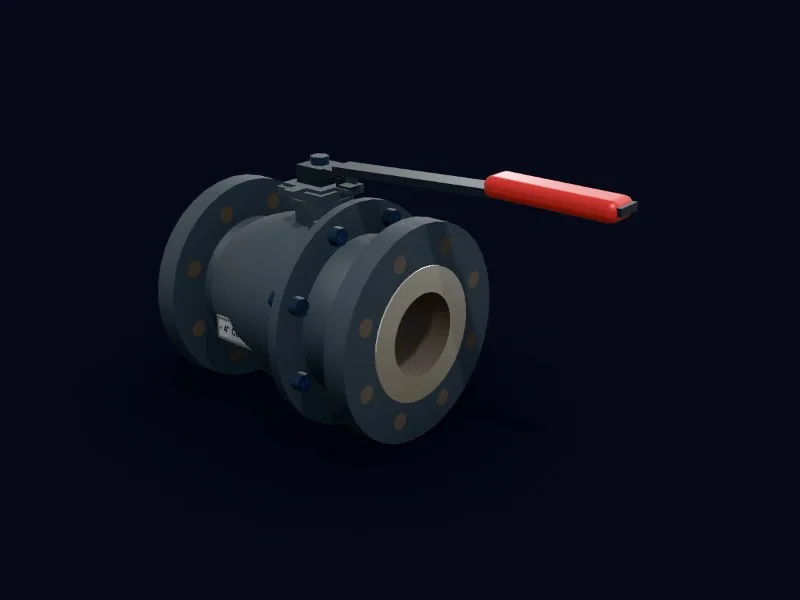
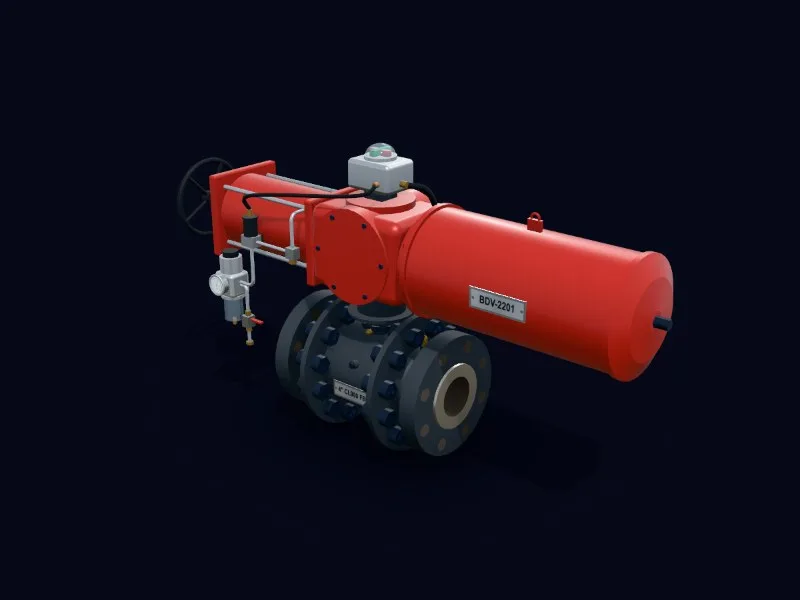
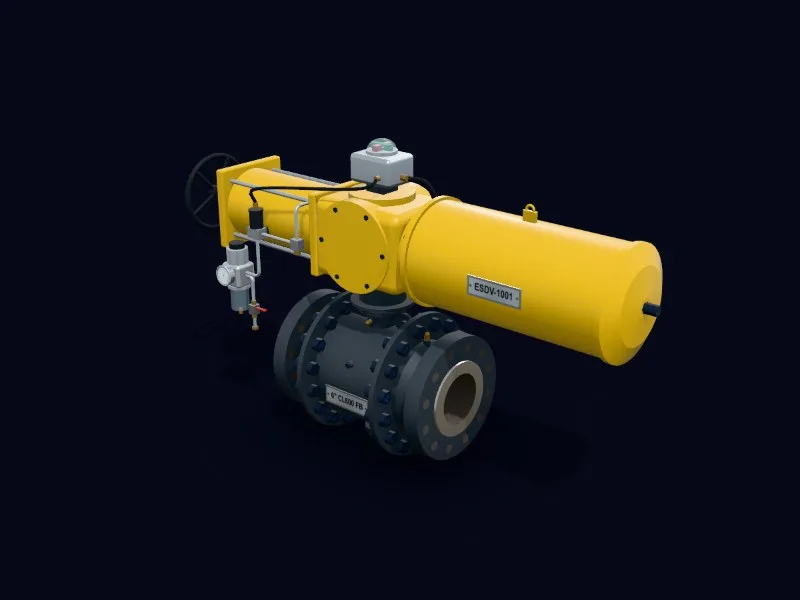
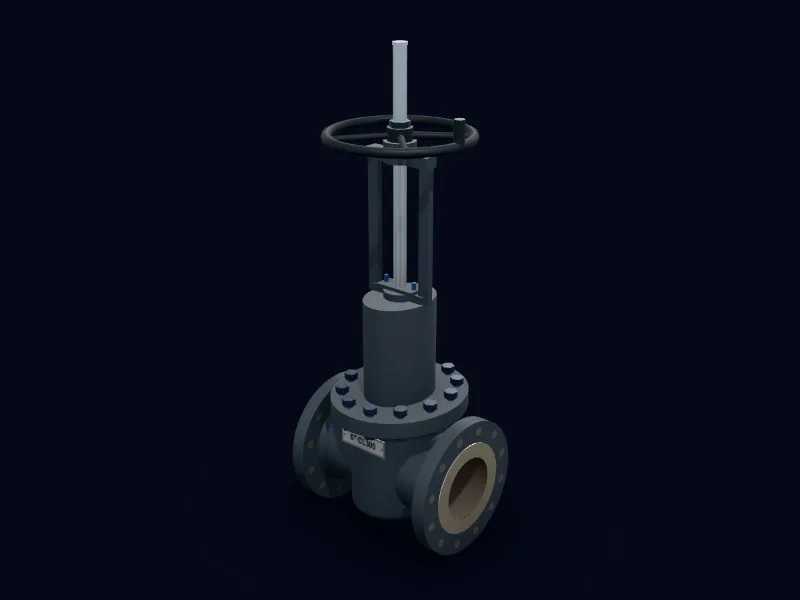
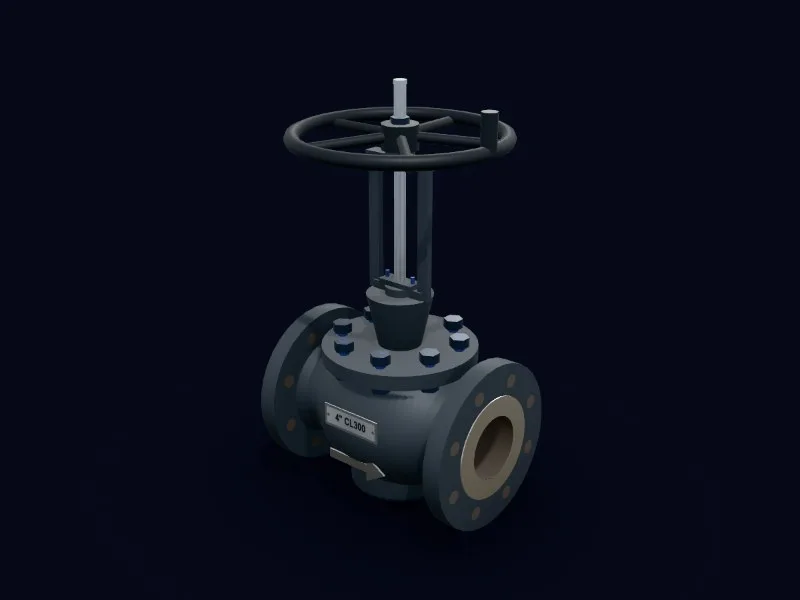
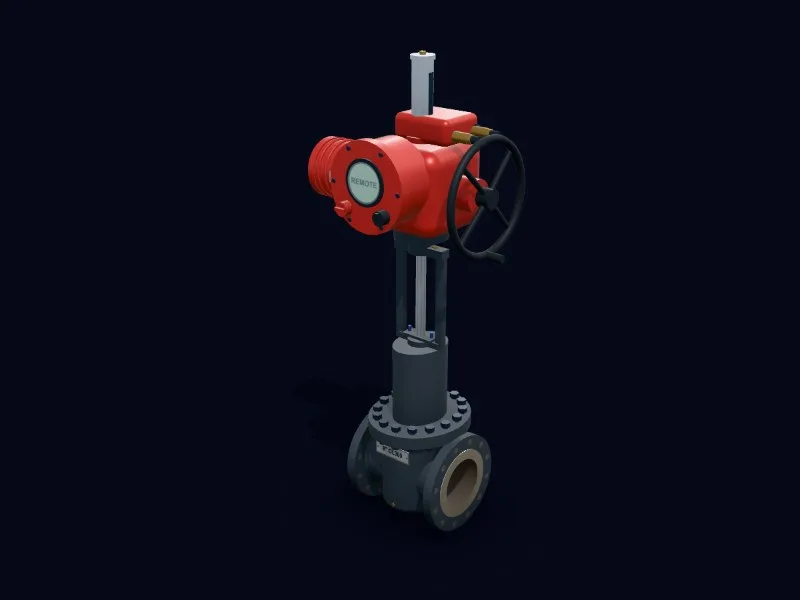
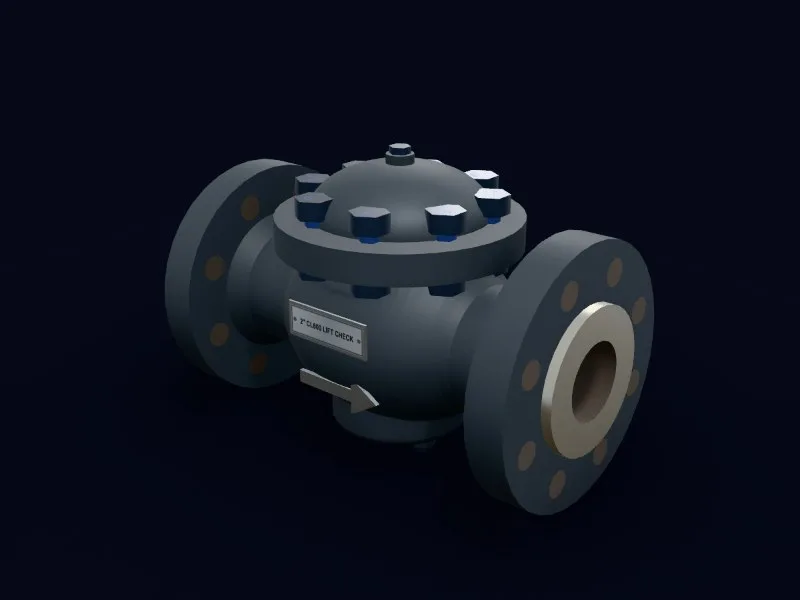
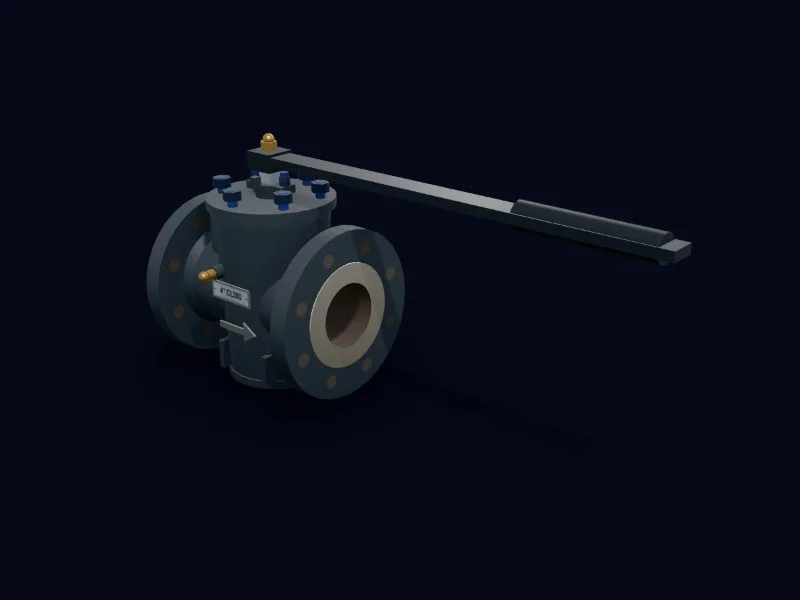
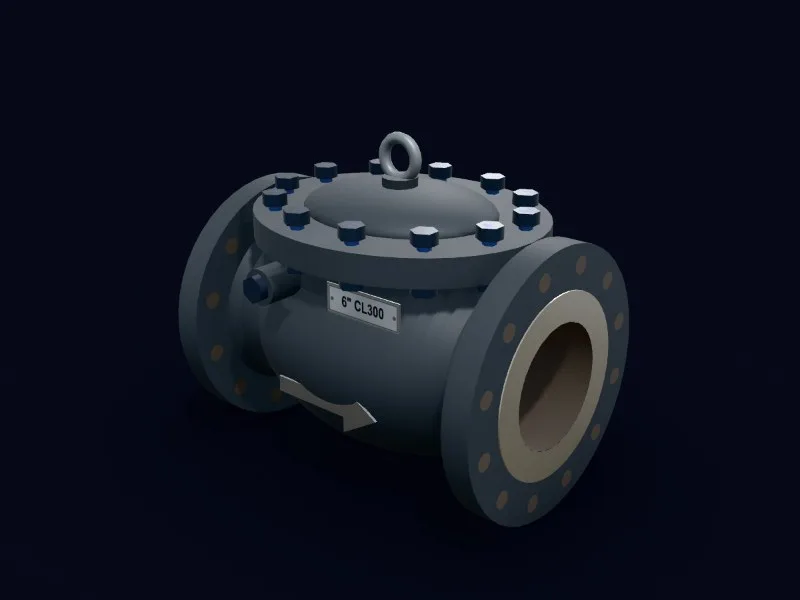
faceToFace(family, nps, rating) returns the flanged length in metres for gate, globe, swing check, ball, plug and needle valves, and wafer lengths for butterfly and dual-plate check valves. handwheelDia and stemHeight give typical operator sizes, not standard values. The gate valve, globe valve, ball valve, plug valve, swing check valve and ESD valve all take nps and rating and size their bodies from it.
import { faceToFace } from './components/deck-twin/lib/standards'

faceToFace('gate', 6, 300)  // 0.4034 (15-7/8 in)
faceToFace('gate', 6, 600)  // 0.5588 (22 in)
Deck Twin uses these standards as reference values for visualisation. Check the current edition of each standard before using any value for design, procurement or fabrication.
Components that follow ASME B16.10 12