ASME B16.11
Forged fittings, socket-welding and threaded
ASME B16.11 forged socket-weld and threaded fittings, Class 3000 and 6000, for small-bore piping, with the matching 3D fittings and olets.
Scope
ASME B16.11 covers forged steel and alloy fittings with socket-welding or threaded ends, from NPS 1/8 to NPS 4. It includes elbows, tees, crosses, couplings, half couplings, caps, and threaded plugs and bushings, with their ratings, dimensions, tolerances and marking.
On oil and gas facilities these fittings make up most small-bore piping: instrument connections, vents and drains, sample points, chemical injection and utility lines. Most project specifications use socket weld or threaded fittings up to NPS 1-1/2 or NPS 2 and butt-weld fittings above.
B16.11 does not cover branch outlet fittings such as weldolets (MSS SP-97), unions (MSS SP-83) or swage nipples (MSS SP-95). Thread form is set by ASME B1.20.1.
Key concepts
- Pressure classes
- Socket-weld fittings come in Class 3000, 6000 and 9000. Threaded fittings come in Class 2000, 3000 and 6000. The class is a designation tied to a pipe wall, not a working pressure.
- Class and schedule
- Each class is matched to a pipe schedule. Class 3000 socket-weld fittings are normally used with Schedule 80 pipe and Class 6000 with Schedule 160. The fitting rating then follows the rating of that pipe.
- Socket welding
- The pipe is pushed into the socket and fillet welded. It is common practice, required by ASME B31.3, to pull the pipe back about 1.6 mm before welding so the weld does not crack as it cools.
- Threaded ends
- Threaded fittings use NPT threads to ASME B1.20.1. On hydrocarbon service many operators limit or ban threaded joints, or require them to be seal welded.
- Small-bore integrity
- Small-bore connections near pumps and compressors are prone to vibration fatigue. Operators often specify bracing, Class 6000 fittings or integral olets for these branches.
In Deck Twin
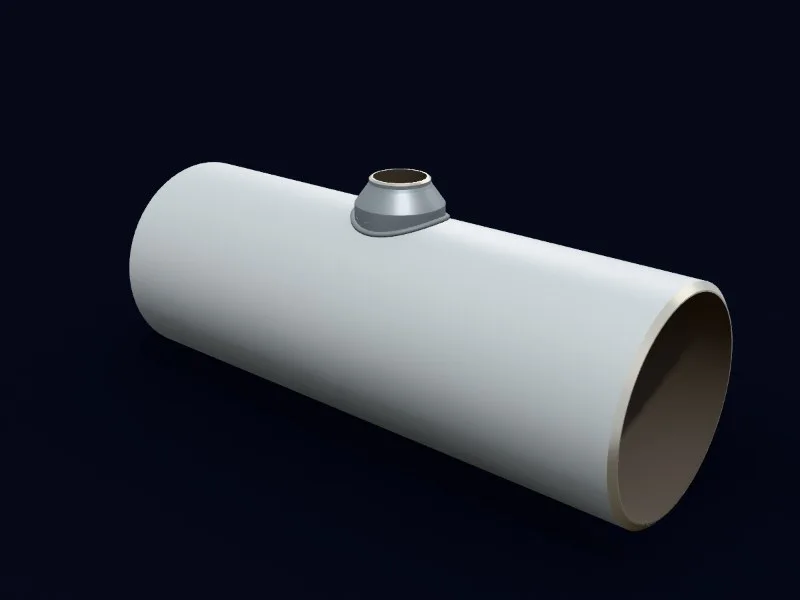
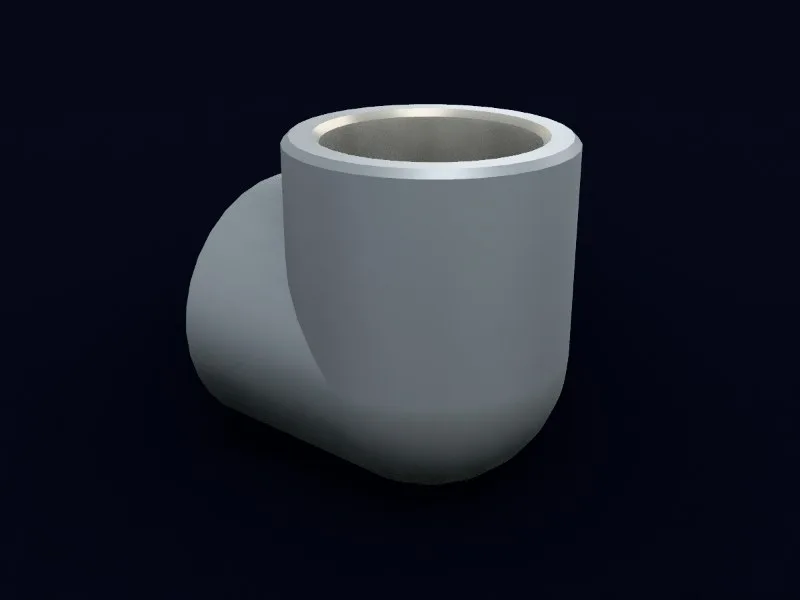
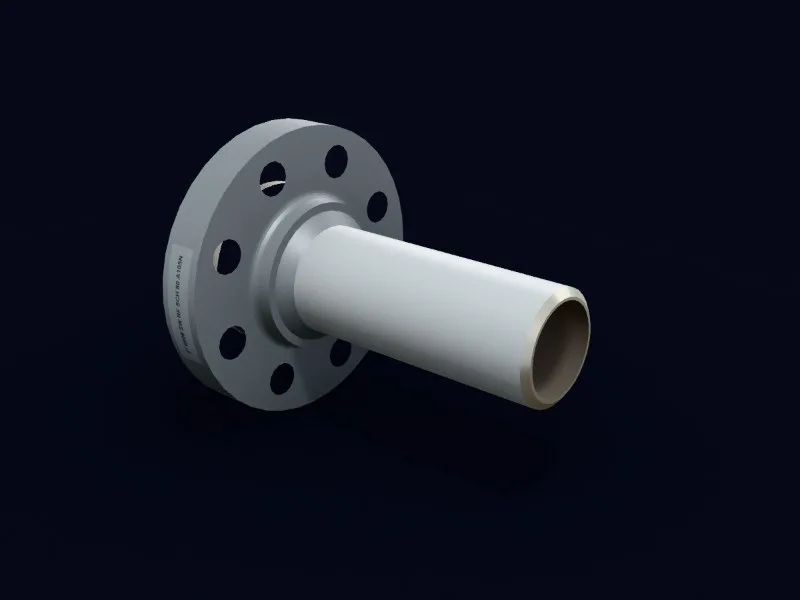
The small-bore fitting builds elbows, tees, couplings, half couplings, caps, plugs, unions and swages, with end set to socket or thread and pressureClass set to 3000 or 6000. Its socket bore, socket depth and wall come from B16.11 tables in the component helpers. The olet and socket-weld flange use the same class and socket conventions. There is no lib/standards function for B16.11.
Deck Twin uses these standards as reference values for visualisation. Check the current edition of each standard before using any value for design, procurement or fabrication.