API 6A
Wellhead and tree equipment
API 6A wellhead and christmas tree equipment in plain words: pressure and temperature ratings, material classes AA to HH, PSL 1 to 4 and PR2.
Scope
API Spec 6A specifies the equipment that holds and controls well pressure at the surface: casing and tubing heads, hangers, christmas trees, gate valves, chokes, tees, crosses, adapters, and the end and outlet connections that join them. It sets dimensions, materials, testing and marking so that equipment from different makers bolts together and holds the same rated pressure.
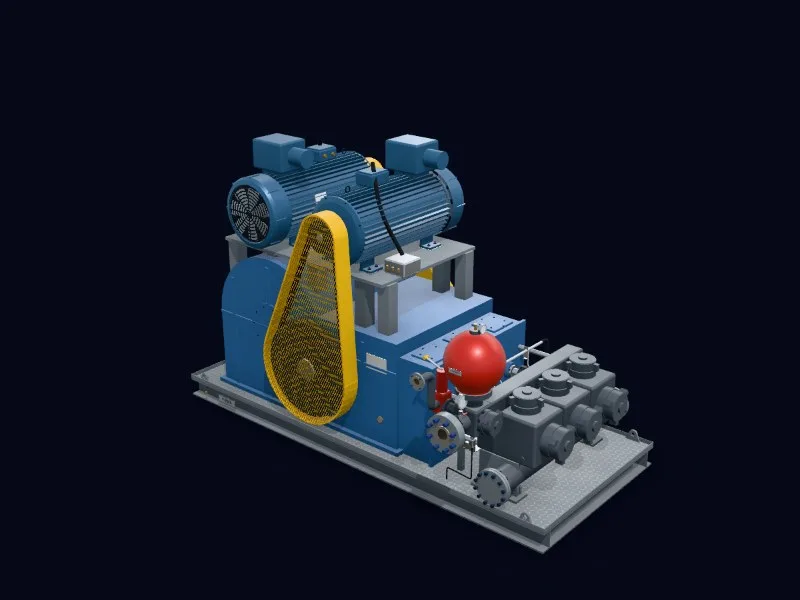
On an offshore platform or onshore wellpad, everything from the casing head up to the flowline choke outlet is normally 6A equipment. The same flange and ring-gasket system is used on BOP stacks, choke and kill manifolds, and the high-pressure discharge of mud and cementing pumps.
API 6A does not cover the flowline or plant piping downstream of the choke, which follow ASME B31.3 and ASME B16.5. Subsea wellheads and trees are covered by API 17D, and BOPs by API 16A.
What API 6A covers on a well
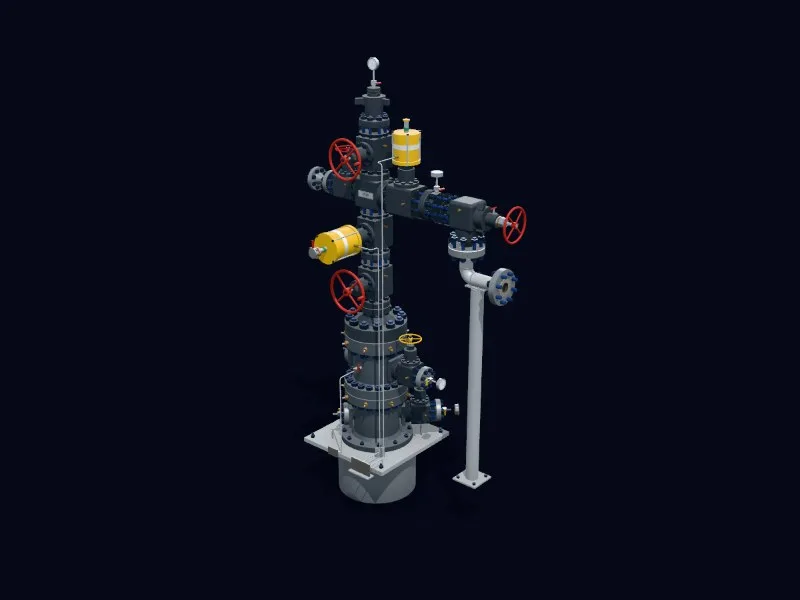
API Specification 6A, Specification for Wellhead and Tree Equipment (titled Specification for Wellhead and Christmas Tree Equipment in older editions), covers the pressure-containing parts at the top of a well on land or on a platform. The wellhead hangs and seals the casing and tubing strings. The christmas tree sits on top and controls the flow with a stack of gate valves and a choke.
The specification groups its equipment into wellhead equipment (casing and tubing heads, hangers), valves and chokes (gate, check and safety valves, actuators, chokes), and connectors and fittings (flanges, tees, crosses, adapters, spools and ring gaskets). Tree assemblies are covered too.
The current edition is the 21st, of November 2018, with errata and addenda issued since. The latest addendum is Addendum 4, of November 2024. Check the API catalogue for the edition your project calls up.
How to read an API 6A marking
Every API 6A part carries a marking that states what it is rated for. A published manufacturer’s guide shows the fields in the order of the example below, after the manufacturer’s mark and before the date of final acceptance. Monogrammed parts also carry the API Monogram and the licence number. A purchase description uses the same fields.
- 1
Pressure rating
Pick the rating that covers the highest pressure the equipment can see, usually the shut-in pressure at the wellhead. The six ratings are 2,000, 3,000, 5,000, 10,000, 15,000 and 20,000 psi.
- 2
Temperature class
The lower limit is the lowest ambient temperature at site. The upper limit is the hottest fluid that can flow through the part. Two letters can be combined for a wider range, for example P and U for -29 to 121 °C.
- 3
Material class
A materials engineer chooses it from the hydrogen sulphide, carbon dioxide, chloride and temperature data of the well. Sour classes also carry an H2S rating.
- 4
PSL
The product specification level sets how much testing and paperwork each part gets. The 21st edition sets a minimum PSL from the material class and pressure rating.
- 5
PR level
The performance requirement says how hard the design was tested. PR2 is required for SSV, USV and BSDV designs.
API 6A temperature classes
The temperature class is a letter that gives the range the equipment is rated for. The minimum is the lowest ambient air temperature it can be exposed to. The maximum is the highest temperature of the fluid that can contact it.
| Class | Range in °C | Range in °F |
|---|---|---|
| K | -60 to 82 | -75 to 180 |
| L | -46 to 82 | -50 to 180 |
| N | -46 to 60 | -50 to 140 |
| P | -29 to 82 | -20 to 180 |
| S | -18 to 60 | 0 to 140 |
| T | -18 to 82 | 0 to 180 |
| U | -18 to 121 | 0 to 250 |
| V | 2 to 121 | 35 to 250 |
| X | -18 to 180 | 0 to 350 |
| Y | -18 to 345 | 0 to 650 |
Commonly quoted values for the 21st edition, cross-checked against several manufacturers’ guides. Classes X and Y are high-temperature ratings with lower allowable pressures. Some older guides give class S an upper limit of 66 °C. Confirm against the current edition.
Material classes and sour service
The material class table under Key concepts lists the classes AA to HH. Three points help when you read it. First, the letters set a minimum: corrosion-resistant alloy (CRA) is allowed in any class. Second, HH needs CRA only on the surfaces wetted by the well fluid, so a low-alloy body clad with CRA meets it. Third, class ZZ covers sour service materials that the purchaser qualifies, by testing or field history, outside the limits of NACE MR0175 / ISO 15156.
Whether a well is sour depends on the partial pressure of hydrogen sulphide, not its concentration alone. Partial pressure is the H2S mole fraction times the pressure. NACE MR0175 / ISO 15156 treats gas with an H2S partial pressure of 0.05 psia (0.3 kPa) or more as sour. For example, gas with 100 ppm H2S at a 5,000 psi shut-in pressure has a partial pressure of 0.5 psia, well above that threshold.
Sour service equipment is marked with its class and the highest H2S partial pressure it is rated for, in psia, for example FF-1.5. When NACE MR0175 / ISO 15156 sets no limit for the material, the 21st edition marks no value. The 20th edition marked such parts NL, so you may still see DD-NL on older equipment.
PSL and PR levels
PSL and PR are two different things. PSL is about each part that leaves the factory: how much it is tested, inspected and traced. PR is about the design: how much validation testing a prototype passed.
| Level | What it adds |
|---|---|
| PSL 1 | The base level: tensile tests, visual examination and checks of critical dimensions |
| PSL 2 | Adds traceability, chemical analysis, weld NDE and surface NDE on wetted and sealing surfaces |
| PSL 3 | Adds serial numbers, full surface and volumetric NDE, and full dimensional checks |
| PSL 3G | PSL 3 plus a gas pressure test, for parts such as valves and chokes that can be gas tested |
| PSL 4 | The strictest level. Cast bodies are not allowed |
| PR1 | The base level of design validation |
| PR2 | More pressure, temperature and operating cycles. Required for SSV, USV and BSDV designs |
| PR2F | A design validated to PR2 by the Annex F procedure |
Summarised from manufacturers’ published guides to the 21st edition. Under that edition the minimum PSL depends on the material class and pressure rating: HH and ZZ equipment is at least PSL 3, and so is any equipment rated 20,000 psi.
API 6A vs API 17D vs API 6D
These three are often confused because they all cover valves on oil and gas wells and pipelines. API 17D is for subsea trees and wellheads, and it uses API 6A as its base for pressure ratings and materials. API 6D is for pipeline and piping valves downstream of the wellhead. BOP stacks follow API 16A and choke and kill equipment API 16C, which also build on 6A.
| API 6A | API 17D | API 6D | |
|---|---|---|---|
| Equipment | Surface wellheads, trees, chokes and their valves | Subsea wellheads, trees and tubing hangers | Ball, gate, plug and check valves |
| Where | Wellheads on land and on platforms | On the seabed | Pipelines, risers and plant piping |
| Pressure rating | psi: 2,000 to 20,000 | psi, as API 6A | ASME class |
| End connections | 6B and 6BX flanges with ring gaskets | Hub and clamp connectors | ASME B16.5 and B16.47 flanges, or weld ends |
| Related ISO standard | ISO 10423 (no longer identical) | ISO 13628-4:2010 (matches the 2nd edition) | ISO 14313 |
API 6A on oil and gas facilities
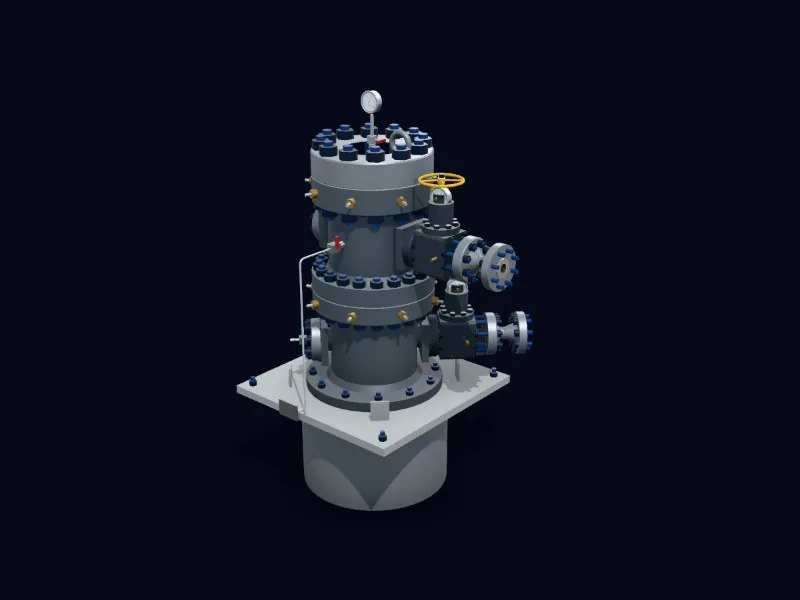
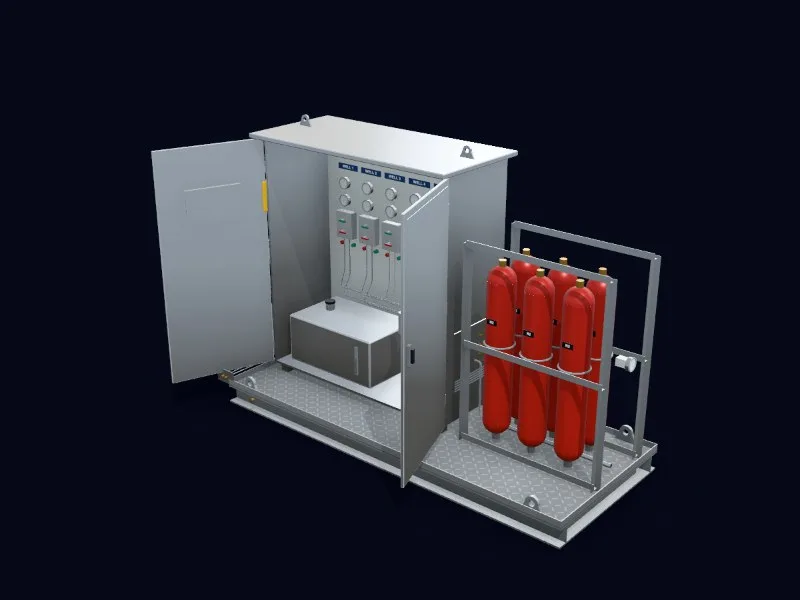
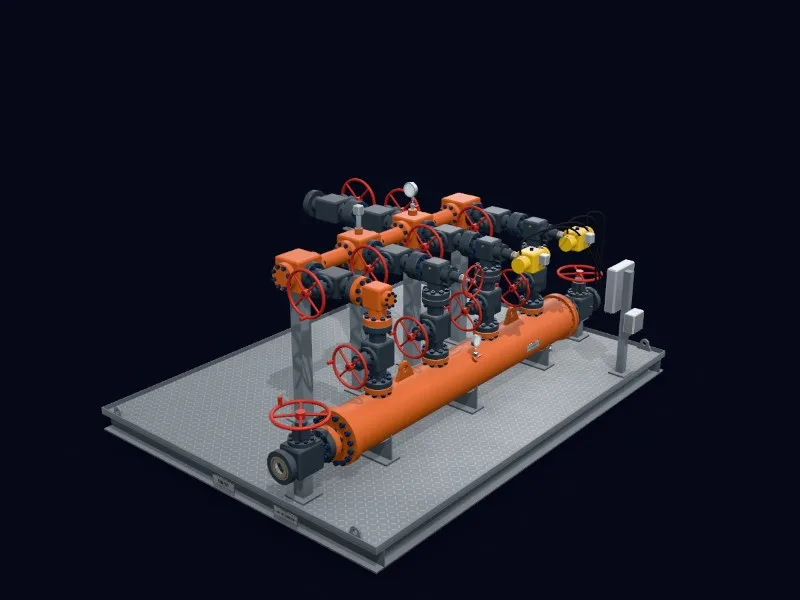
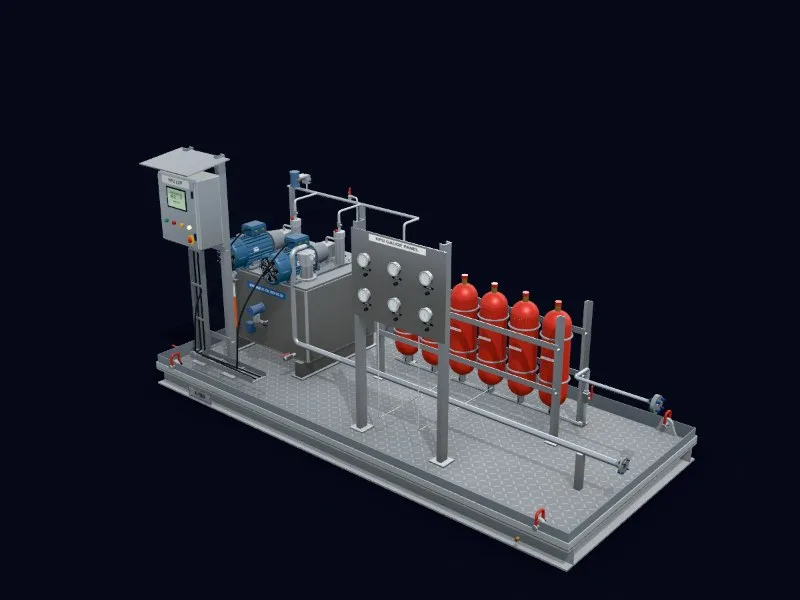
On a platform or a well pad, each producing well has a wellhead and a christmas tree. The upper master valve is usually the hydraulic surface safety valve (SSV), placed as API RP 14C describes, and a wellhead control panel holds it open. The choke on the production wing sets the rate, and the flowline then runs to a production manifold. The wellhead platform example shows four trees feeding one manifold.
The same 6B and 6BX flanges and ring gaskets appear on the BOP stack and the choke and kill manifold during drilling. Repair and remanufacture of 6A equipment is covered by API 6AR.
Manufacturers who are licensed to apply the API Monogram to 6A equipment are listed in the API Composite List, which API publishes online. To check a supplier, look up the licence number on its marking and confirm that the licence covers the product type you are buying.
Key concepts
- Rated working pressure
- Equipment is rated in psi, not in ASME classes: 2000, 3000, 5000, 10000, 15000 and 20000 psi. A tree is described by its bore and pressure, for example 3-1/16" 10K.
- 6B and 6BX flanges
- Type 6B flanges are used at lower pressures with R or RX ring gaskets and a small standoff between the faces. Type 6BX flanges are used at 10000 psi and above, and for large bores at lower pressures, with BX gaskets and the faces in contact. At 2000, 3000 and 5000 psi the 6B bolt patterns line up with ASME Class 600, 900 and 1500.
- Ring-joint gaskets
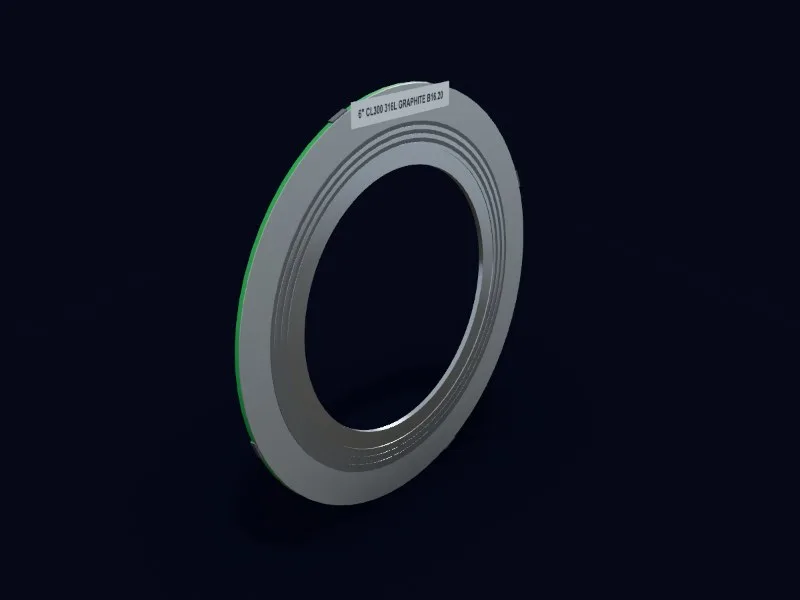
- The joints seal on metal rings in machined grooves: R (oval or octagonal), RX (pressure-energised) and BX. The ring number must match the flange size and pressure, which is why trees and spools carry it in their description.
- Product specification level
- PSL 1 to PSL 4 set increasing levels of material testing, inspection and documentation. Higher levels are chosen for higher pressure, sour service, gas wells or wells near people.
- Material and temperature classes
- A material class letter (AA to HH) describes the service, from general to sour and highly corrosive, with sour materials qualified to NACE MR0175 / ISO 15156. A temperature class letter gives the temperature range: the lowest ambient temperature and the highest fluid temperature the equipment is rated for.
- Tree valve names
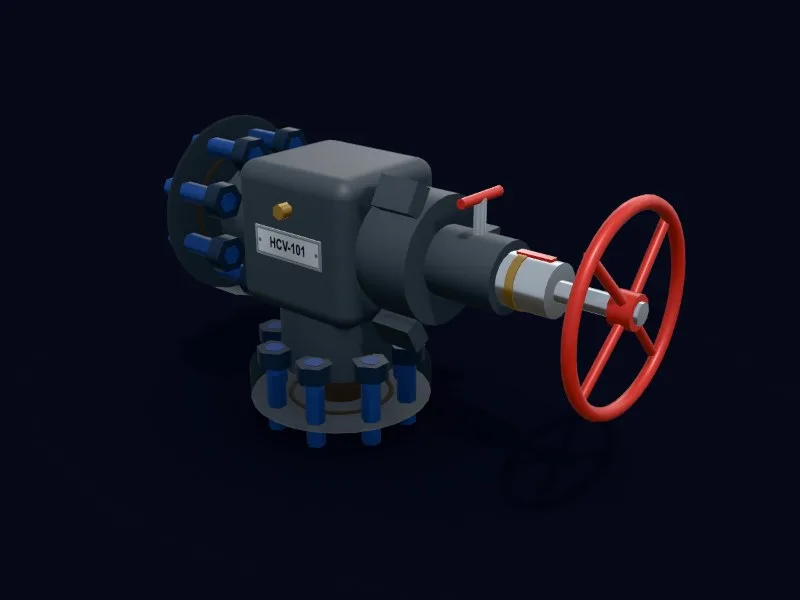
- A surface tree typically has a lower master valve, an upper master valve that is often the hydraulic surface safety valve (SSV), a swab valve on top, and production and kill wing valves. The choke on the production wing sets the well rate.
| Class | Service | Body, bonnet and flanges | Pressure-controlling parts |
|---|---|---|---|
| AA | General | Carbon or low-alloy steel | Carbon or low-alloy steel |
| BB | General | Carbon or low-alloy steel | Stainless steel |
| CC | General | Stainless steel | Stainless steel |
| DD | Sour | Carbon or low-alloy steel | Carbon or low-alloy steel |
| EE | Sour | Carbon or low-alloy steel | Stainless steel |
| FF | Sour | Stainless steel | Stainless steel |
| HH | Sour | Corrosion-resistant alloy on wetted surfaces (cladding allowed) | Corrosion-resistant alloy |
These are the widely published minimum material requirements in summary. Sour classes must also meet NACE MR0175 / ISO 15156. Class ZZ is defined by the purchaser. Check the current edition before specifying.
Questions
What are the API 6A material classes AA to HH?
They are letter codes for the minimum materials of a wellhead or tree, chosen by how corrosive the well fluid is. AA, BB and CC are for general service, and DD, EE, FF and HH are for sour service. Within each group the materials step up from carbon or low-alloy steel throughout, to stainless steel on the pressure-controlling parts, to stainless steel throughout. HH uses corrosion-resistant alloys on the wetted surfaces.
Which API 6A material classes are used for sour service?
Classes DD, EE, FF and HH. Their materials must meet NACE MR0175 / ISO 15156, and the marking also carries the highest hydrogen sulphide partial pressure the equipment is rated for. DD has carbon or low-alloy steel trim, EE and FF have stainless steel trim, and HH has corrosion-resistant alloy trim. The class for a well is chosen by a materials engineer from the hydrogen sulphide, carbon dioxide, chloride and temperature data.
What is PR2 in API 6A?
PR stands for performance requirement. It is the level of validation testing a product design has passed. PR1 is the base level. PR2 adds more pressure and temperature cycles and more operating cycles, so it is asked for on more demanding wells. In the current edition, designs validated to the annex test procedure are marked PR2F.
What is the difference between API 6A and API 17D?
API 6A covers wellhead and tree equipment used at the surface, on platforms and on land. API 17D covers subsea wellheads and trees. It builds on the 6A pressure ratings and materials and adds what the seabed needs: external pressure, remote connectors, ROV interfaces and hydraulic control. The christmas tree is a surface tree and the subsea Xmas tree is a 17D tree.
What equipment does API 6A cover?
API 6A covers wellhead and christmas tree equipment used at the surface. That includes casing and tubing heads, hangers, gate and check valves, surface safety valves, chokes, actuators, tees, crosses, adapters, spools, flanges and ring gaskets. Flowlines downstream of the choke are outside it.
What are the API 6A temperature classes?
They are letters K, L, N, P, S, T, U and V, plus X and Y for high temperature. Each gives a range from the lowest ambient temperature to the highest fluid temperature, for example P is -29 to 82 °C and U is -18 to 121 °C. Two letters can be combined, such as P and U for -29 to 121 °C.
What is PSL 3G in API 6A?
PSL 3G is product specification level 3 with an added gas pressure test. It applies to parts that can be gas tested, such as valves, chokes and tubing heads. It is usually chosen for gas wells or high H2S service.
How do I find an API 6A wellhead equipment manufacturer?
API lists the manufacturers licensed to apply the API Monogram to 6A products in its online Composite List. Check that the licence covers the product type and that the marking carries the licence number. Deck Twin does not make or supply wellhead equipment; its christmas tree is a 3D model for visualisation.
In Deck Twin
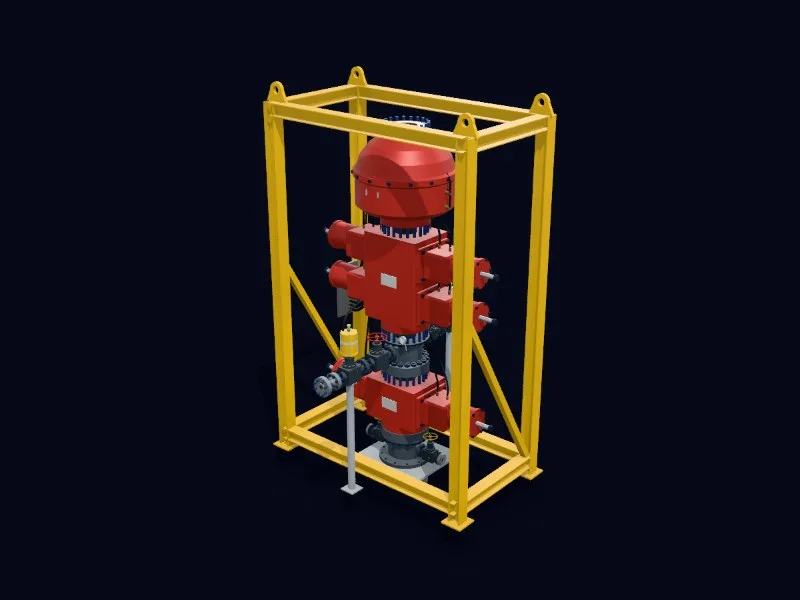
The christmas tree, wellhead housing and wellhead choke size their 6B and 6BX flanges and gate valves from a same-folder helper of typical published dimensions, set by pressureRating (5000 or 10000 psi) and bore (2-1/16" to 4-1/16"). Where a component meets plant piping, its ports report the ASME class with the matching bolt pattern: Class 1500 at 5000 psi, whose bolt pattern matches, and Class 2500 at 10000 psi as the closest, although a 10000 psi flange does not mate with a Class 2500 flange. The BOP stack and choke and kill manifold offer 5000 to 15000 psi, and the gasket draws R-type rings. The dimensions are typical values for visualisation, not for fabrication.
Deck Twin uses these standards as reference values for visualisation. Check the current edition of each standard before using any value for design, procurement or fabrication.
Components that follow API 6A 12