IEC 60079
Explosive atmospheres
IEC 60079 covers equipment for explosive atmospheres: zones, gas groups, T-classes and Ex d, Ex e, Ex i and Ex p protection on oil and gas facilities.
Scope
IEC 60079 is a large series of standards for equipment used where flammable gas, vapour or dust can form an explosive atmosphere. Part 0 sets the general requirements and marking. Further parts define each type of protection, such as flameproof enclosures (Ex d, part 1), increased safety (Ex e, part 7), intrinsic safety (Ex i, part 11) and pressurisation (Ex p, part 2). Other parts cover area classification, installation, inspection and the performance of gas detectors (the 60079-29 parts).
On oil and gas facilities almost every field instrument, motor, light, junction box and detector in a process area is Ex certified. The hazardous area classification sets the zone, gas group and temperature class, and the equipment must be certified for at least that.
The European EN 60079 versions are used to meet the ATEX equipment directive, and the international IECEx scheme certifies equipment to the IEC versions. The series does not replace the site's area classification study or its installation rules.
Key concepts
- Zones
- Gas areas are classed as Zone 0 (explosive atmosphere present continuously or for long periods), Zone 1 (likely in normal operation) and Zone 2 (not likely, and only briefly if it occurs). Dust areas use Zones 20, 21 and 22.
- Equipment protection level
- EPL Ga, Gb and Gc match equipment to Zones 0, 1 and 2. The EPL is part of the marking and makes the selection explicit.
- Gas groups
- Group II gases are split into IIA, IIB and IIC by how easily they ignite and how well a flame passes through a gap. IIC, which includes hydrogen and acetylene, is the most demanding. Group I is for mines and Group III for dust.
- Temperature class
- T1 to T6 give the maximum surface temperature of the equipment. It must stay below the auto-ignition temperature of the gas. T6 is the coolest class, at 85 °C, and T3 or T4 is common on oil and gas plants.
- Flameproof, Ex d
- A flameproof enclosure lets an internal explosion happen but stops it reaching the outside through machined flamepaths. Typical uses are transmitter housings, motor terminal boxes, lights and detectors.
- Increased safety, Ex e
- Increased safety prevents arcs, sparks and hot spots by design, with good terminals, creepage distances and sealed enclosures. It is the usual protection for field junction boxes and many motors.
- Intrinsic safety, Ex i
- Intrinsically safe circuits limit energy so that a spark cannot ignite the gas. Barriers or isolators in the safe area feed the field device. It suits low-power instruments such as vibration probes.
- Marking
- A typical marking reads Ex db IIC T4 Gb: type of protection, gas group, temperature class and EPL. The certificate number and any special conditions of use are also shown.
Questions
What is IEC 60079?
It is the series of international standards for equipment used in explosive atmospheres. It covers how hazardous areas are classified into zones, how each type of Ex protection works, and how equipment is marked, installed and inspected. Equipment certified to it carries an Ex marking.
What is the difference between ATEX and IECEx?
ATEX is European Union law: equipment sold for explosive atmospheres in the EU must meet the ATEX equipment directive. IECEx is a voluntary international certification scheme based directly on the IEC standards. Both use the 60079 series for the technical requirements, so many products carry both certificates.
What Ex rating does a manual call point need in Zone 1 or Zone 2?
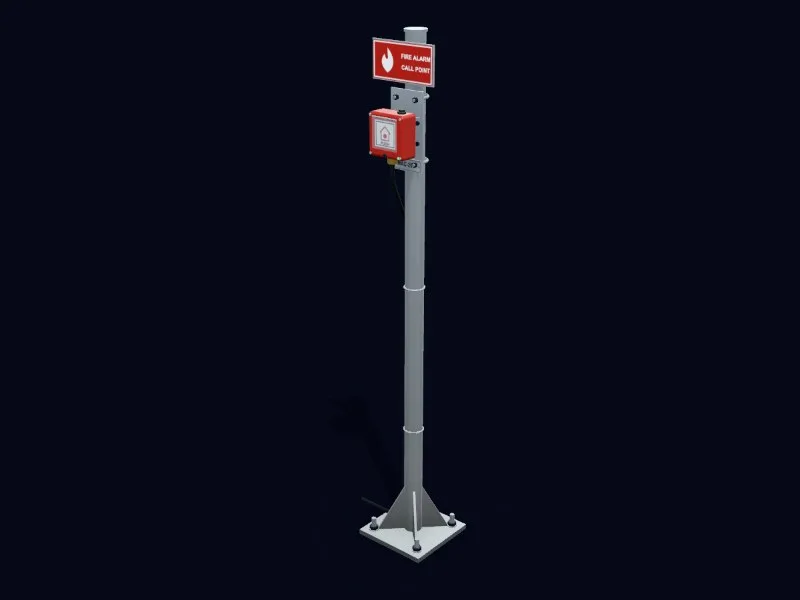
It must be certified for the zone, gas group and temperature class of the place where it is fitted. Zone 1 needs equipment protection level Gb or Ga. Zone 2 accepts Gc as well. Call points for process areas are commonly Ex d, Ex e or intrinsically safe designs. See the manual call point.
In Deck Twin
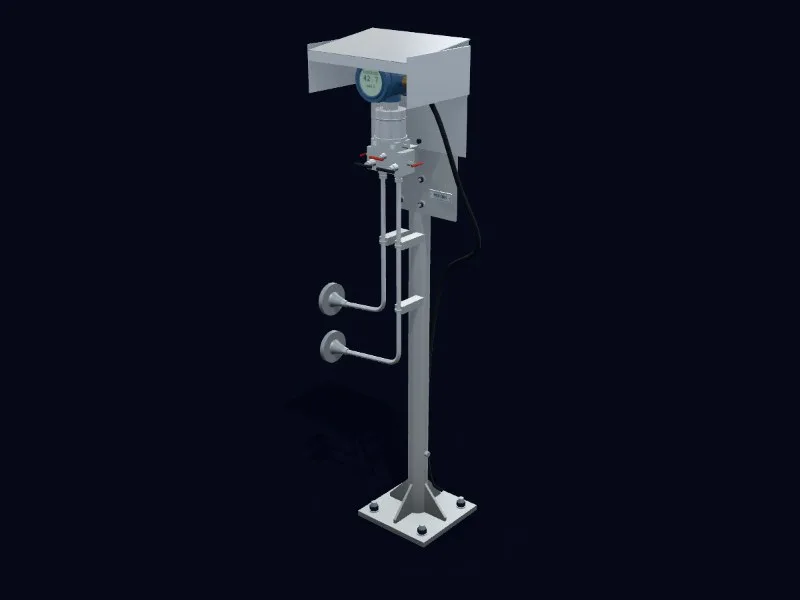
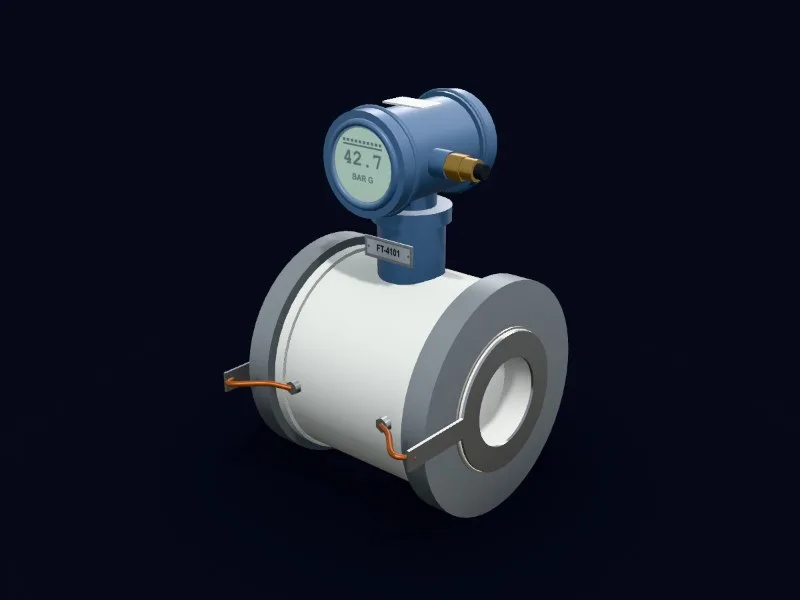
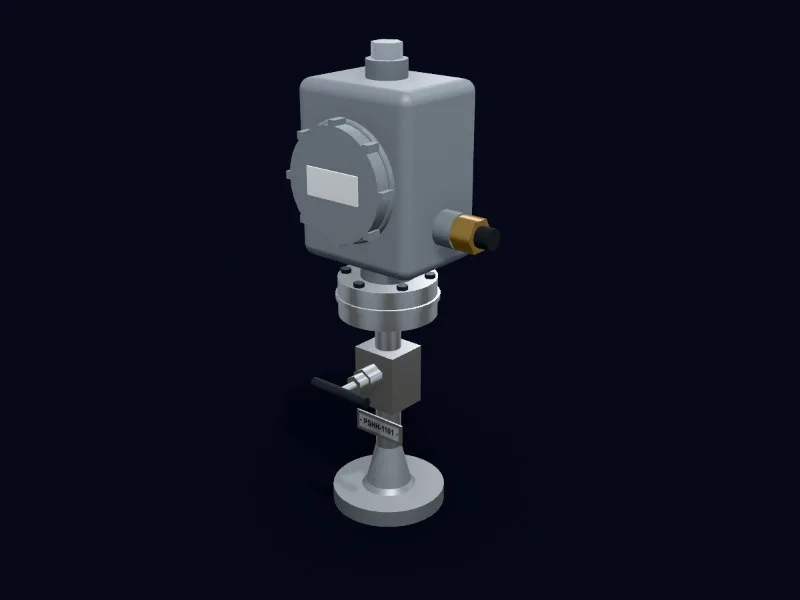
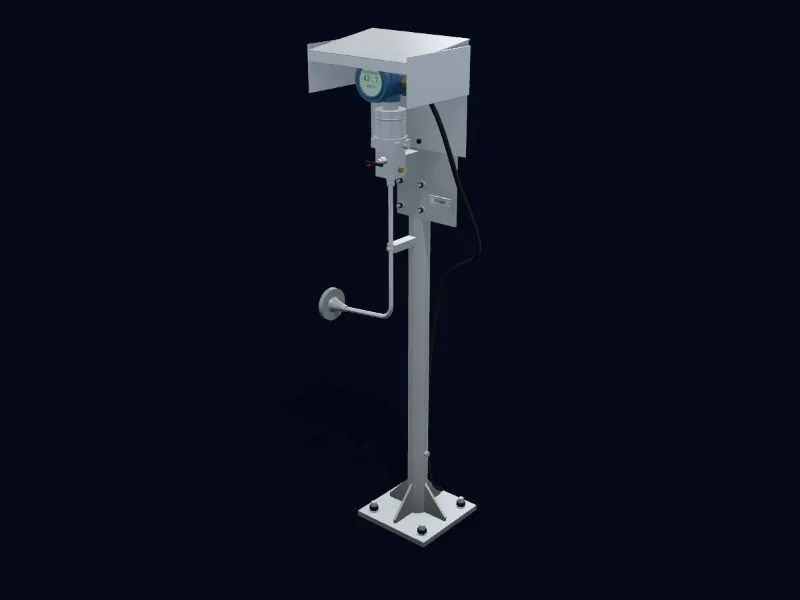
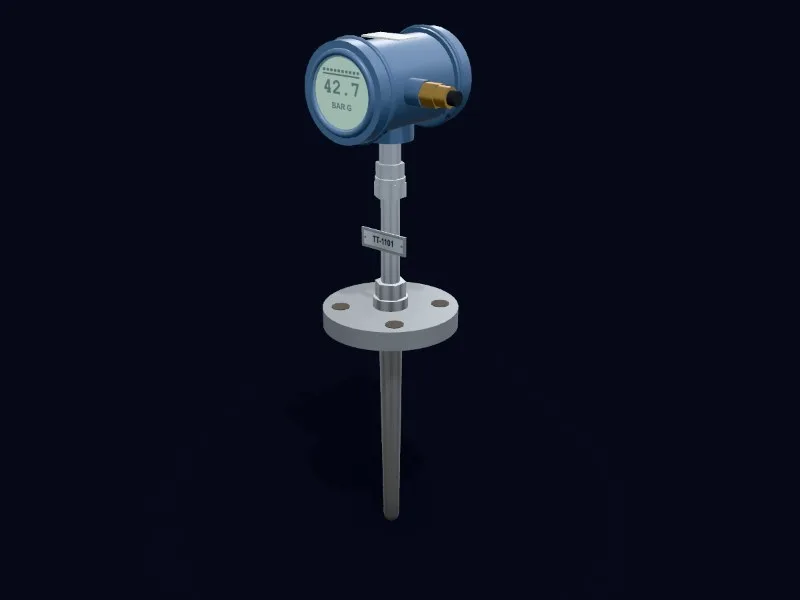
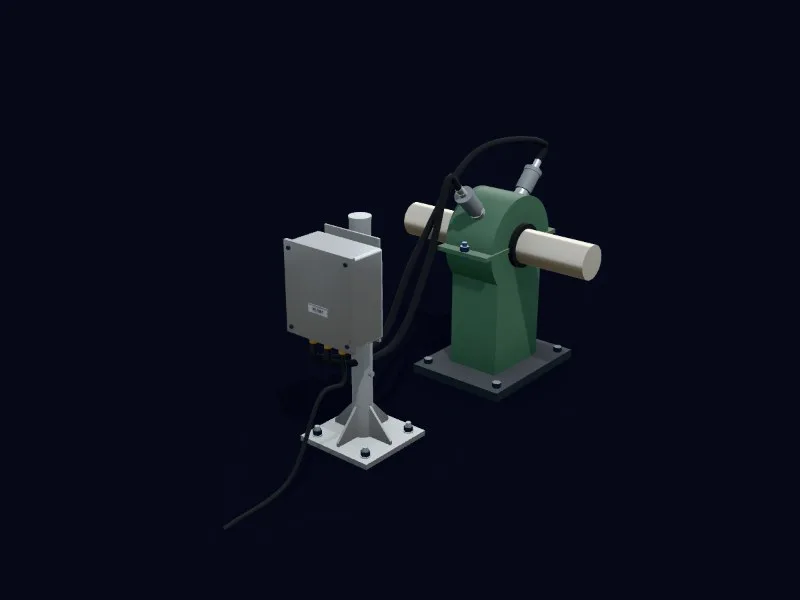
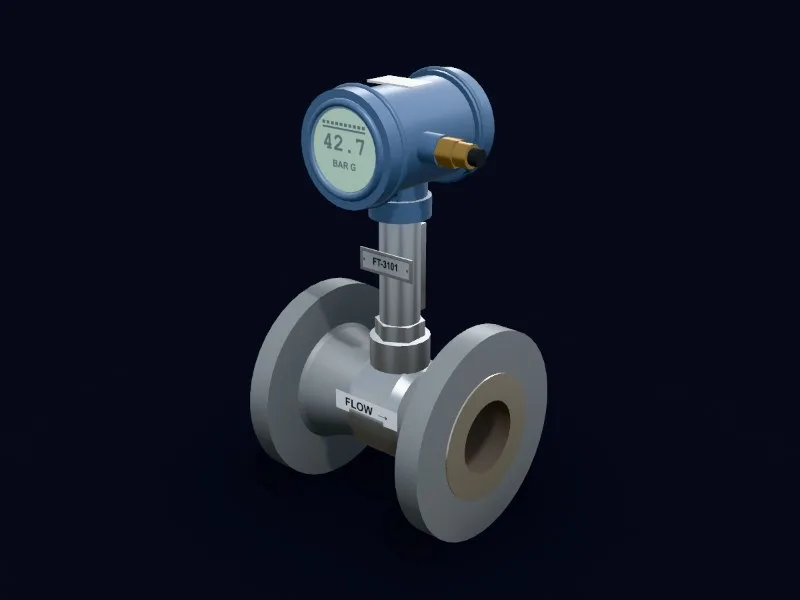
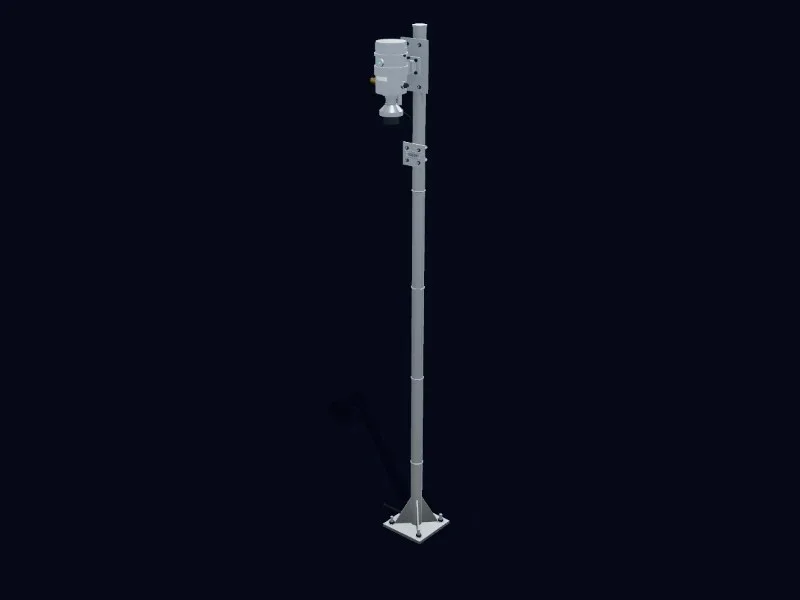
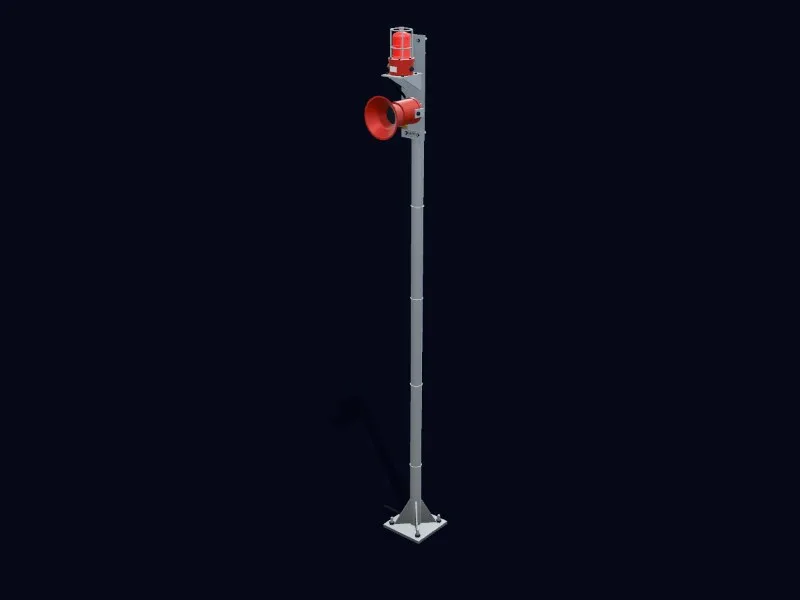
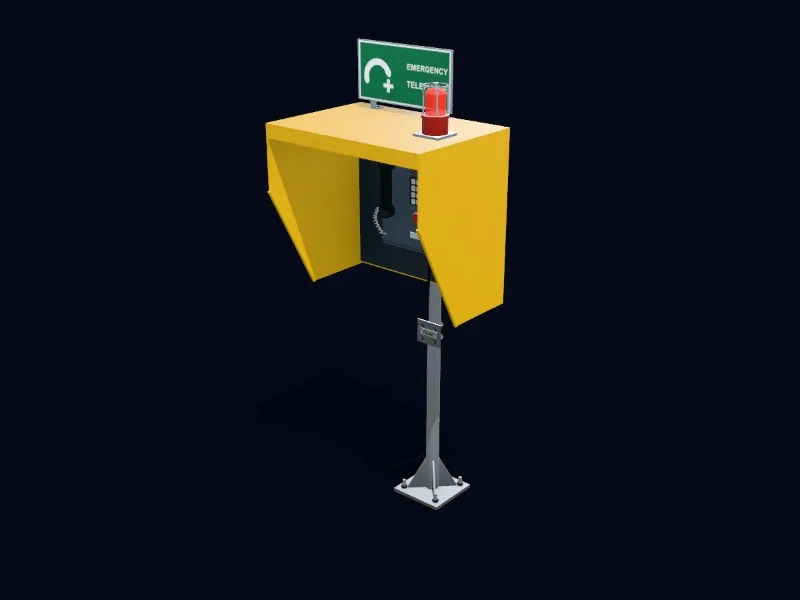
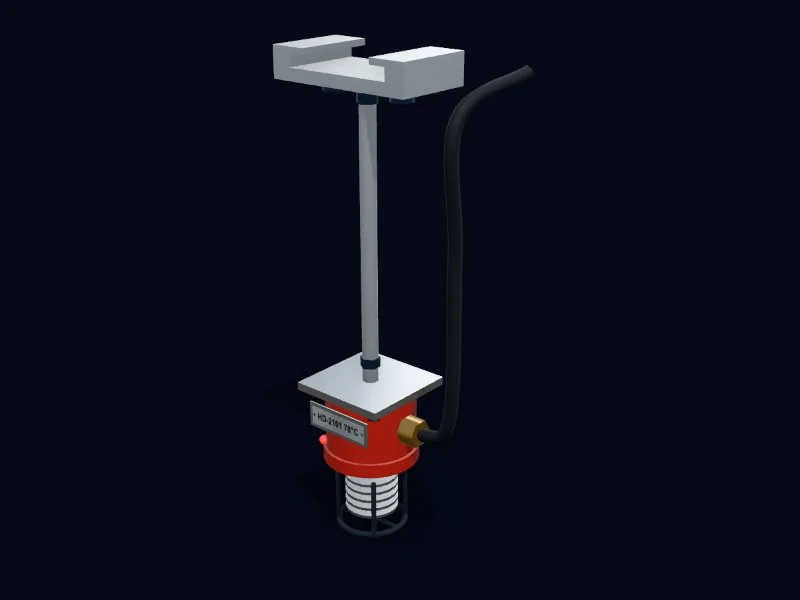
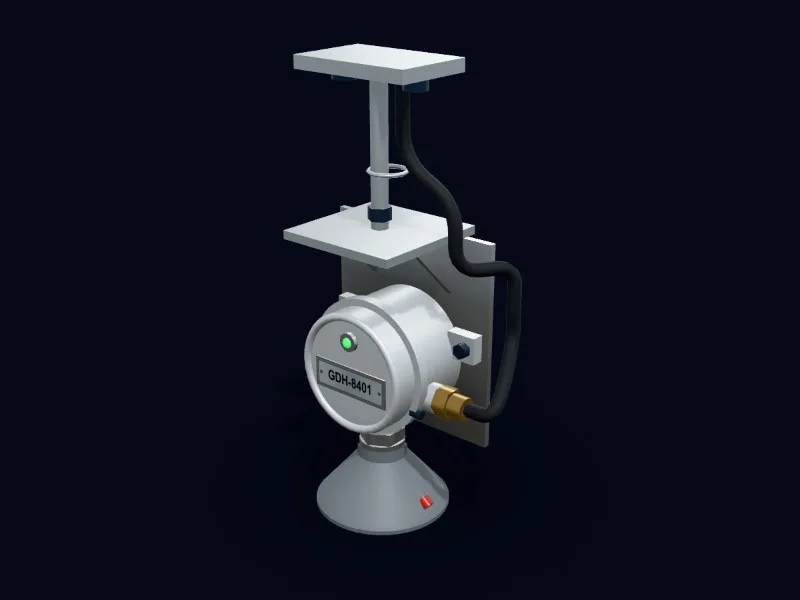
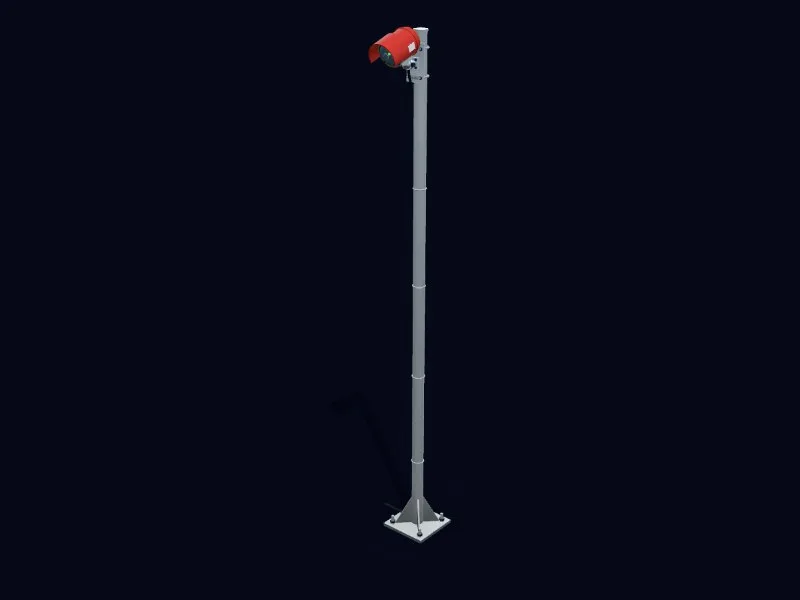
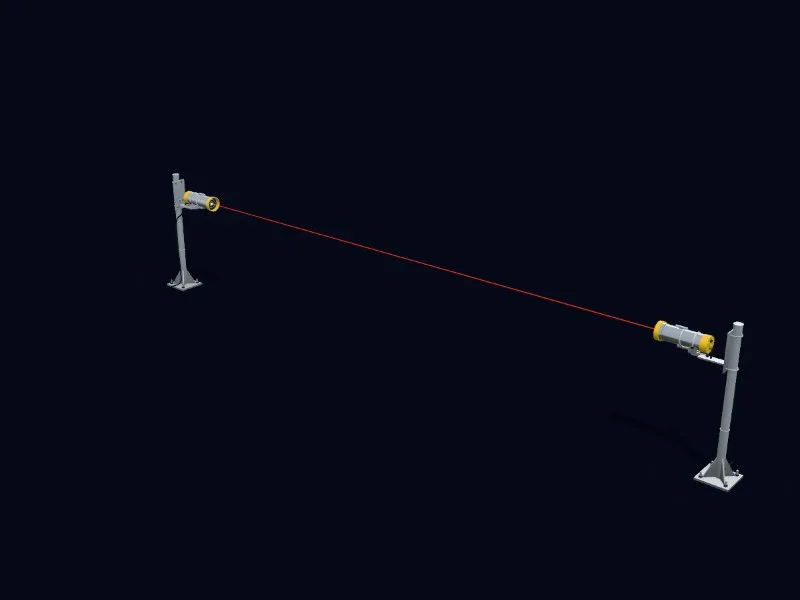
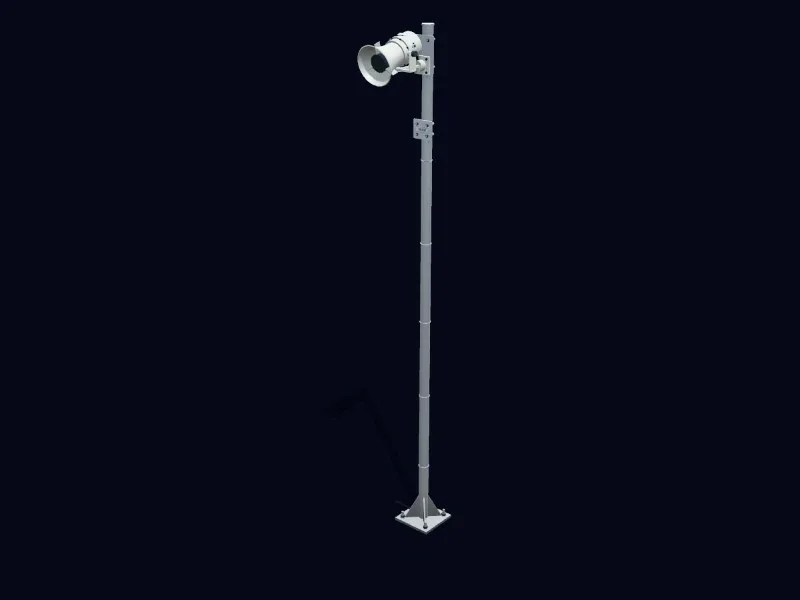
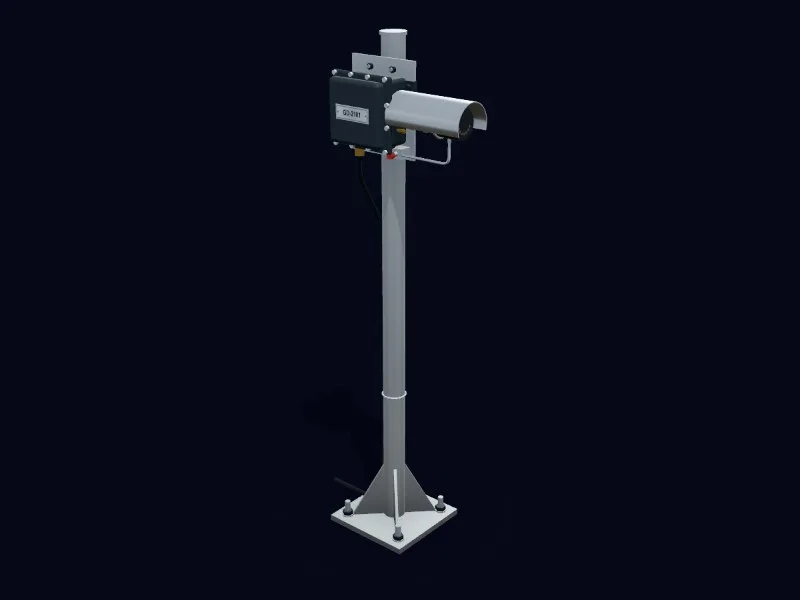
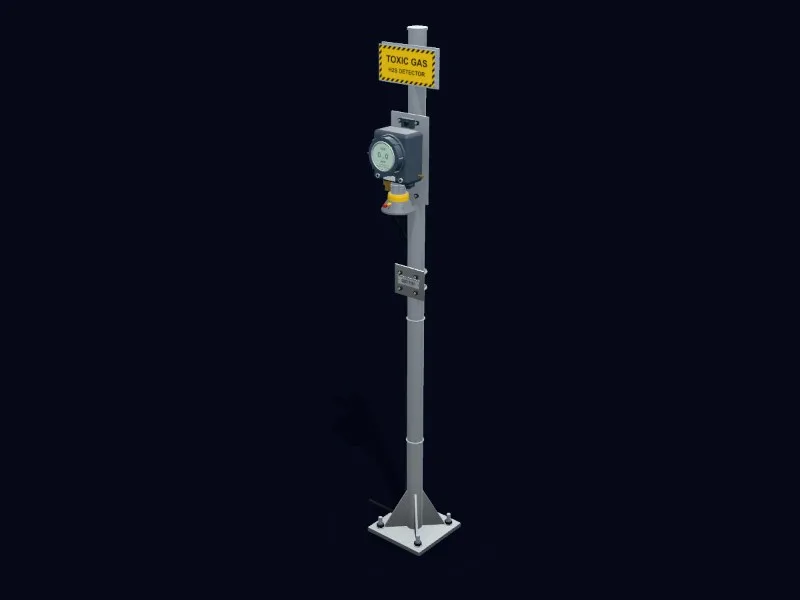
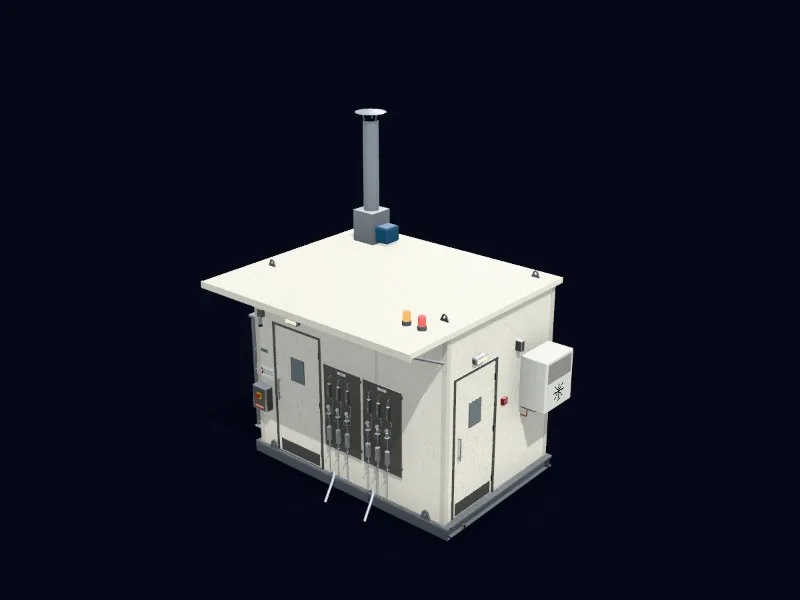
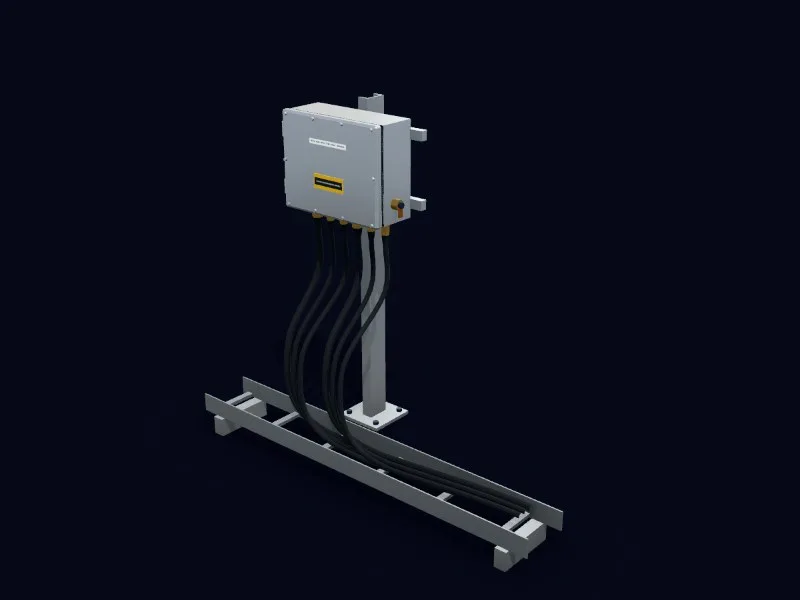
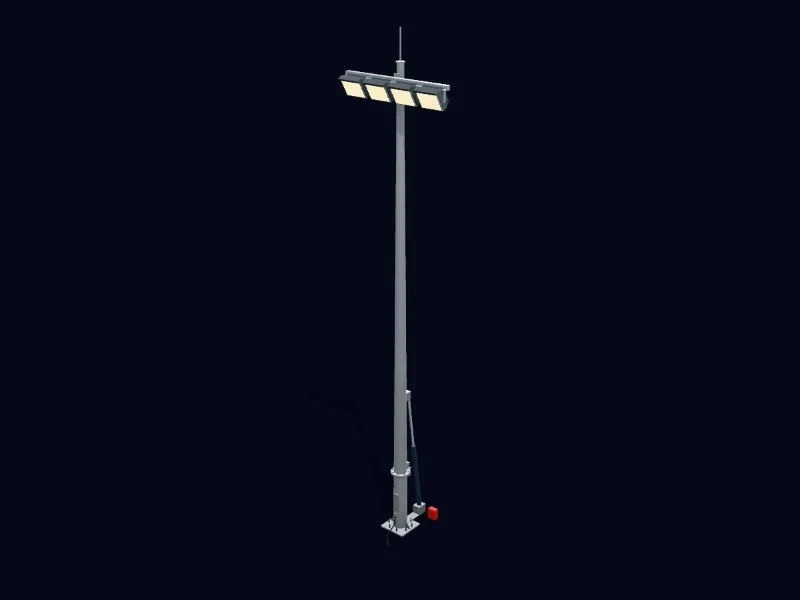
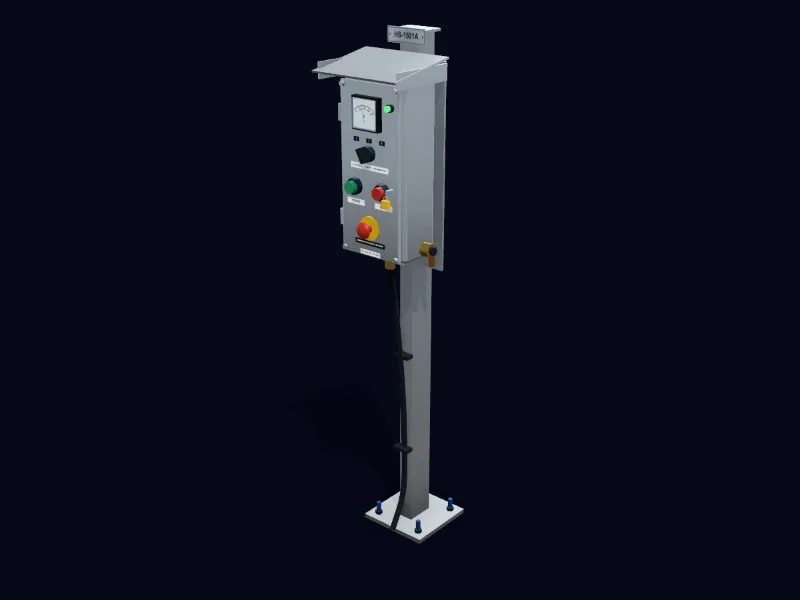
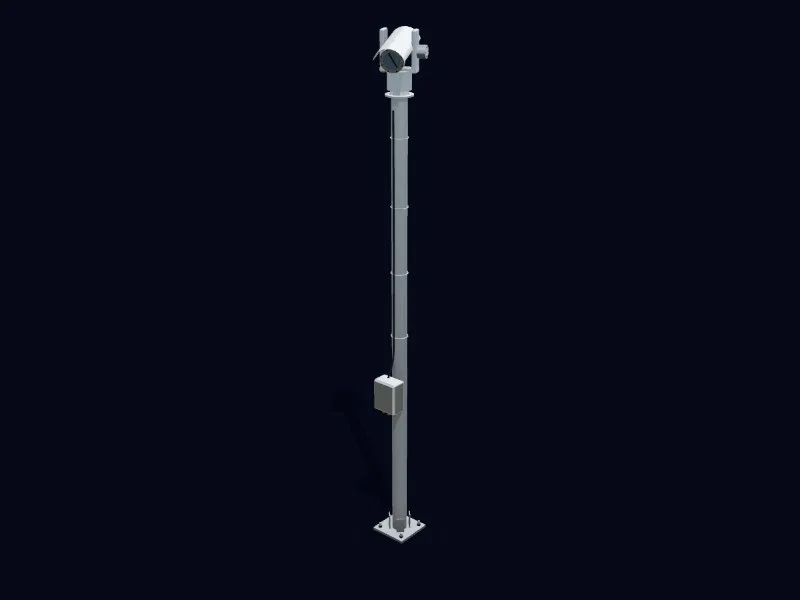
The library draws the outward features of each protection type: Ex d housings with threaded covers and stopping plugs on the pressure transmitter, point gas detector, flame detector and alarm beacon, the Ex e junction box and local control station, the intrinsically safe vibration probe, and the pressurised analyser shelter. The open path gas detector and toxic gas detector cite the gas detector parts. There is no lib/standards function for it, and the models do not represent certified equipment.
Deck Twin uses these standards as reference values for visualisation. Check the current edition of each standard before using any value for design, procurement or fabrication.
Components that follow IEC 60079 29