IEC 60034 / IEC 60072
Rotating electrical machines and motor frame sizes
IEC 60034 rates electric motors and IEC 60072 fixes their frame sizes and shaft heights. How pump and compressor motors are specified.
Scope
IEC 60034 is the series for rotating electrical machines. It covers rating and performance, degrees of protection, cooling methods, mounting arrangements, efficiency classes and testing. IEC 60072 sets the dimensions and output series of motors, so that a motor of a given frame from one maker fits the baseplate and coupling of another.
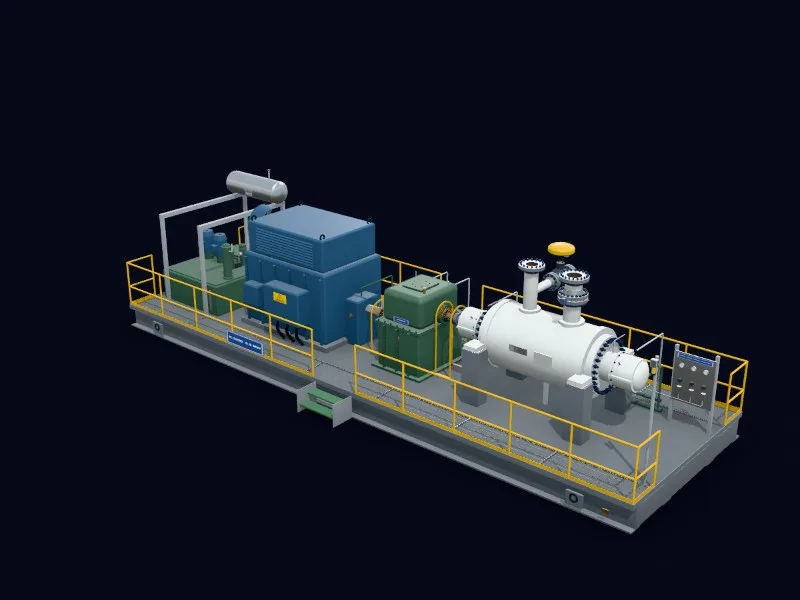
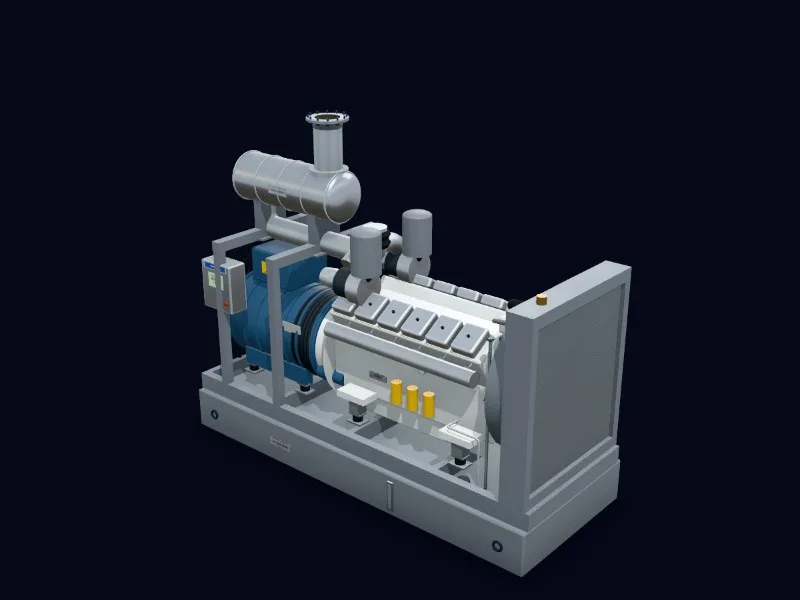
On oil and gas facilities they apply to the motors that drive pumps, compressors, fans and valve actuators, and to the generators on turbine and diesel sets. Large motors and generators also follow API or project specifications, and motors in hazardous areas must meet IEC 60079 as well.
Neither standard covers the driven machine or the variable speed drive. Since its 2022 edition, IEC 60072-1 also assigns rated outputs to frame sizes. It replaced the European standard EN 50347, which was withdrawn in 2022, so data sheets written before then may still cite EN 50347. Check the output and frame of each motor against the maker's data.
Key concepts
- Frame number
- The IEC frame number is the shaft height in millimetres, from the foot face to the shaft centre. Frame 250 has a 250 mm shaft height. A letter such as S, M or L after it gives the body length.
- Output series
- Motors are built in a standard series of rated outputs, such as 55, 75, 90 and 110 kW. Each output is linked to a frame for a given number of poles, so the frame can be found from kW and speed.
- Poles and speed
- Synchronous speed depends on the supply frequency and the number of poles. A 4-pole motor on 50 Hz runs just under 1500 rpm. More poles give lower speed and, for the same output, a larger frame.
- Cooling, IC code
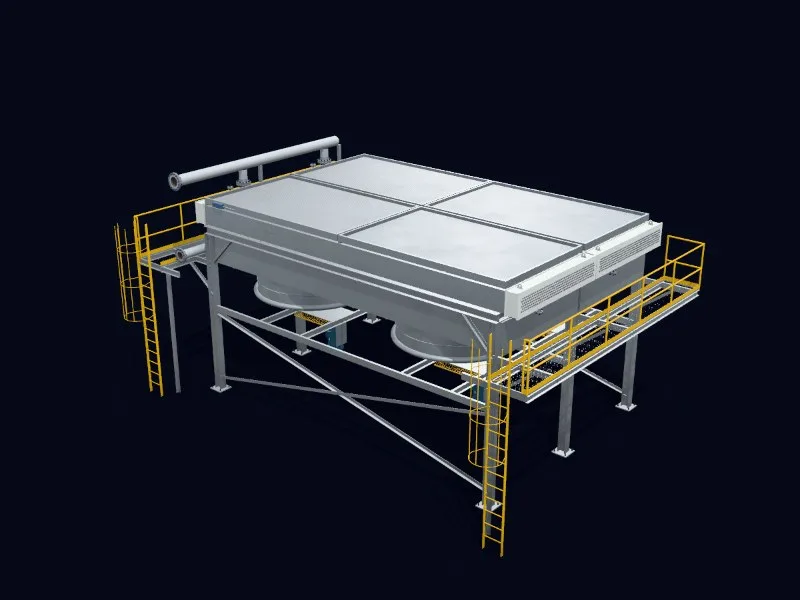
- The IC code describes how the machine is cooled. IC411 is the usual totally enclosed fan-cooled (TEFC) motor. Large machines often use an air-to-air cooler on top.
- Mounting, IM code
- The IM code gives the mounting arrangement. IM B3 is foot-mounted with a horizontal shaft. Flange-mounted and vertical arrangements have their own codes.
- Degree of protection
- The IP code gives protection against solids and water, for example IP55 or IP56 for outdoor motors on a deck.
- Efficiency classes
- IE classes, from IE1 upward, rate motor efficiency. Many regions set a minimum IE class for new motors.
In Deck Twin
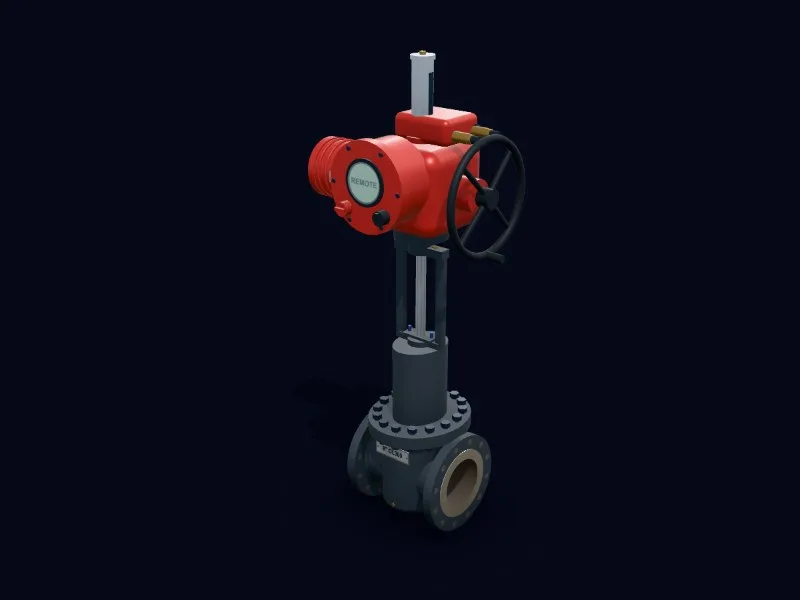
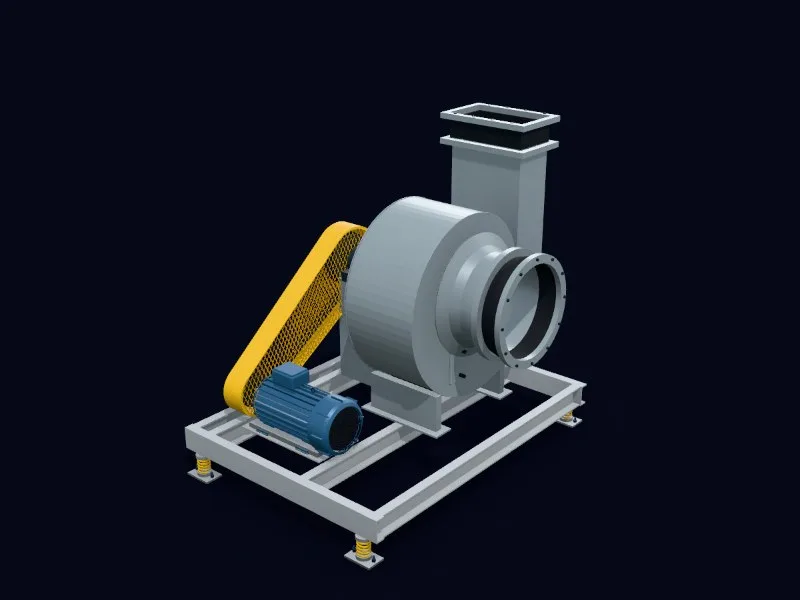
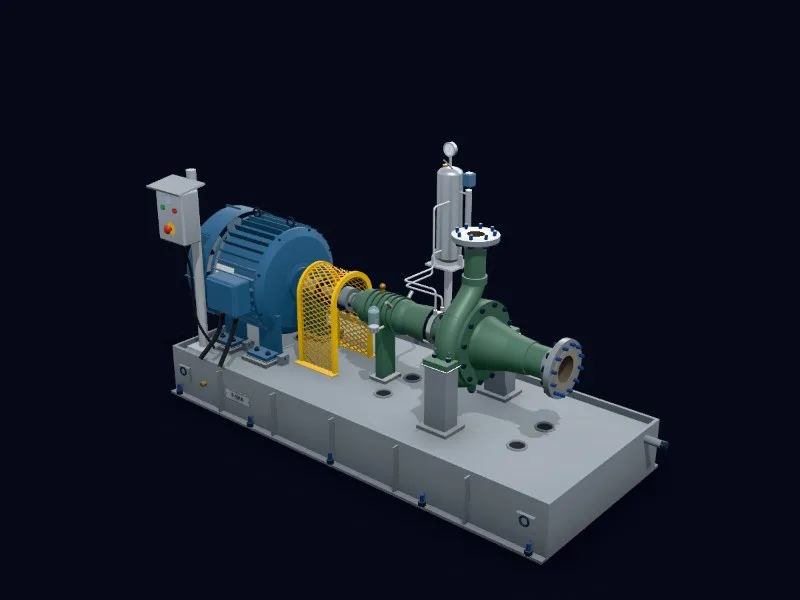
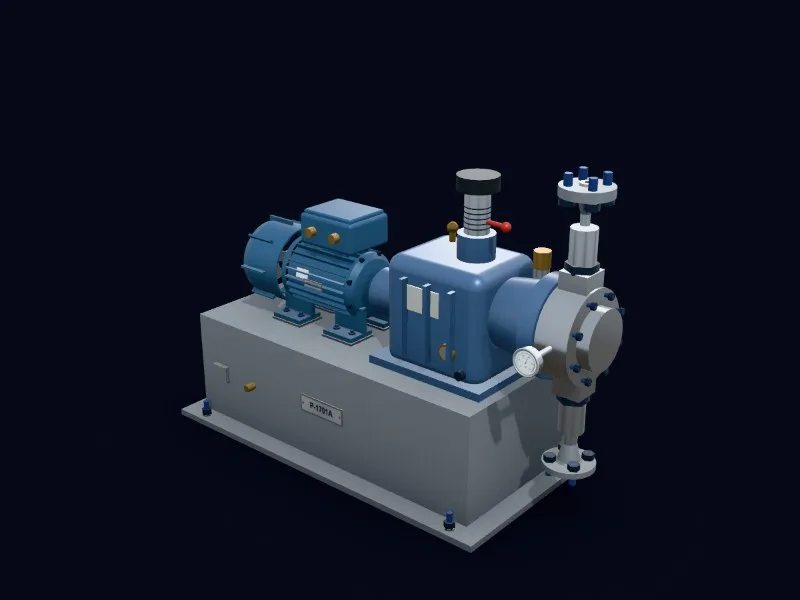
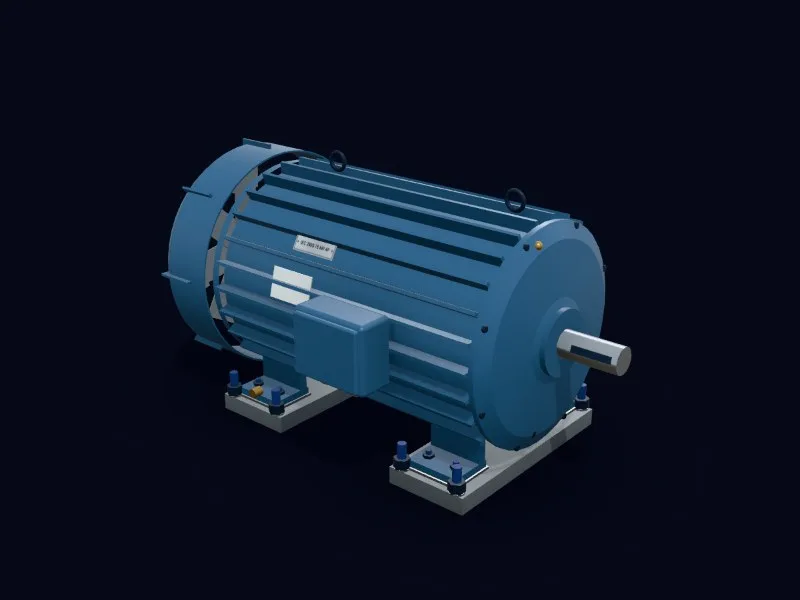
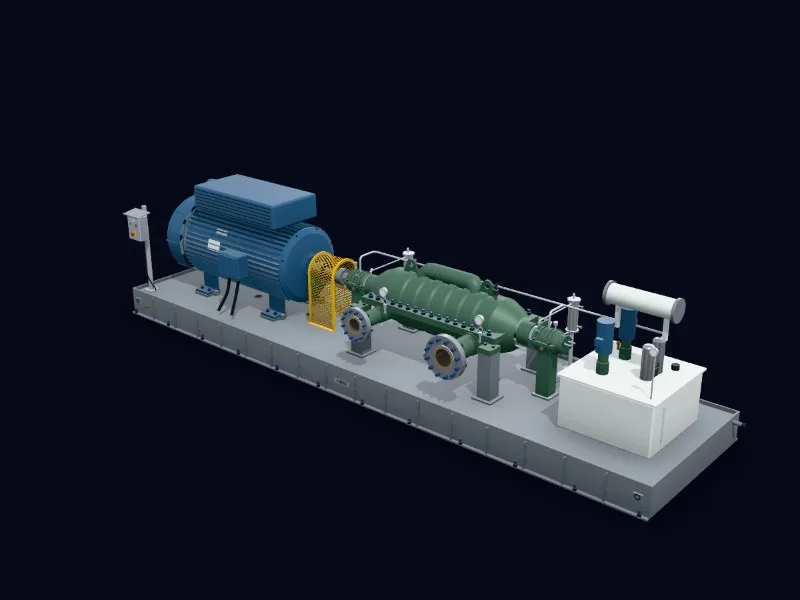
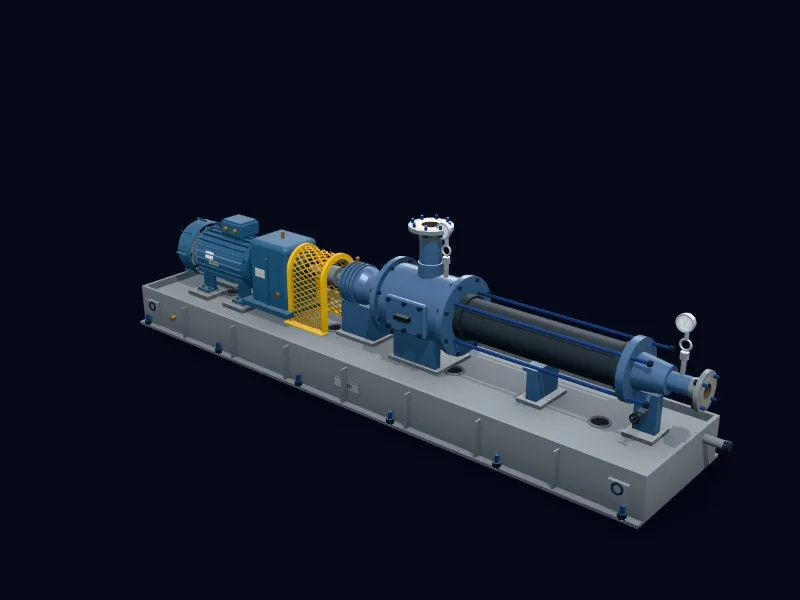
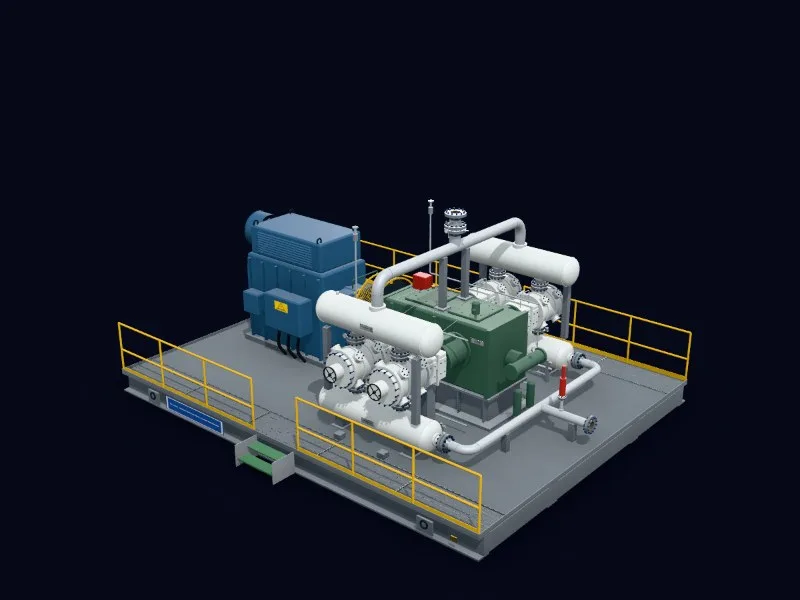
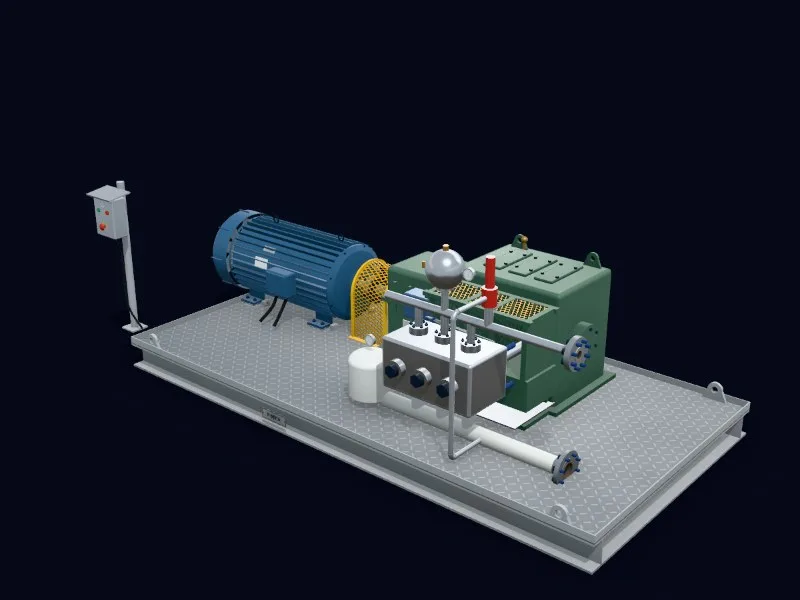
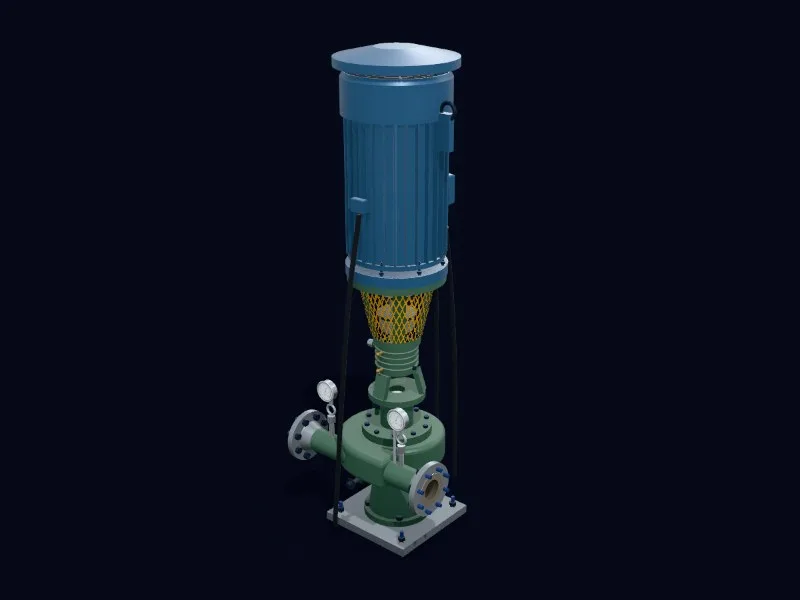
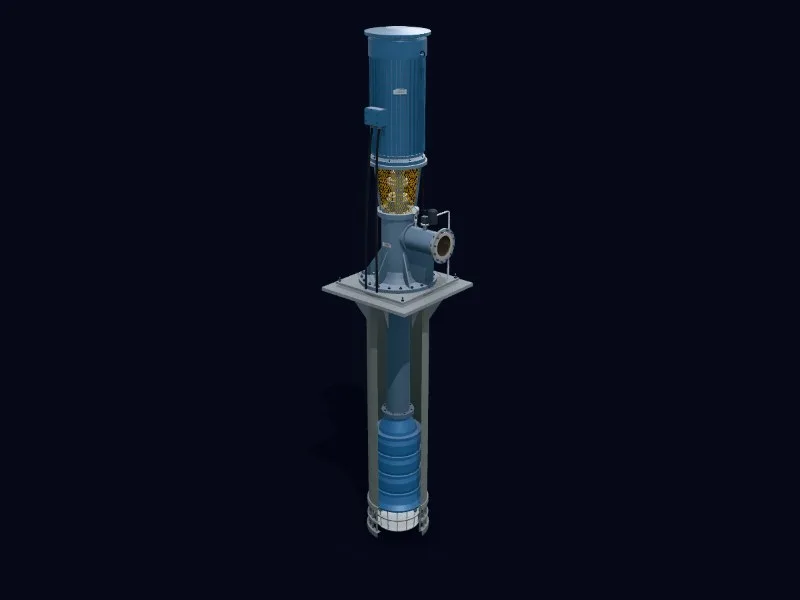
iecMotor(kw, poles) in lib/standards/motors.ts picks the smallest standard motor whose rated output covers the duty and returns its frame, exact shaft height and typical dimensions and mass. The electric motor uses it to size itself and show the frame on its nameplate, and the motors on the centrifugal pump, between-bearings pump, vertical inline pump, metering pump, centrifugal fan and motor-operated valve follow the same frames. Shaft heights are exact; the other dimensions are typical values, not a maker's data.
import { iecMotor } from './components/deck-twin/lib/standards'

iecMotor(55, 4)   // { frame: '250M', kw: 55, poles: 4, shaftHeight: 0.25, length: 0.93, mass: 400, … }
iecMotor(110, 2)  // { frame: '315S', kw: 110, poles: 2, shaftHeight: 0.315, … }
Deck Twin uses these standards as reference values for visualisation. Check the current edition of each standard before using any value for design, procurement or fabrication.
Components that follow IEC 60034 / IEC 60072 18